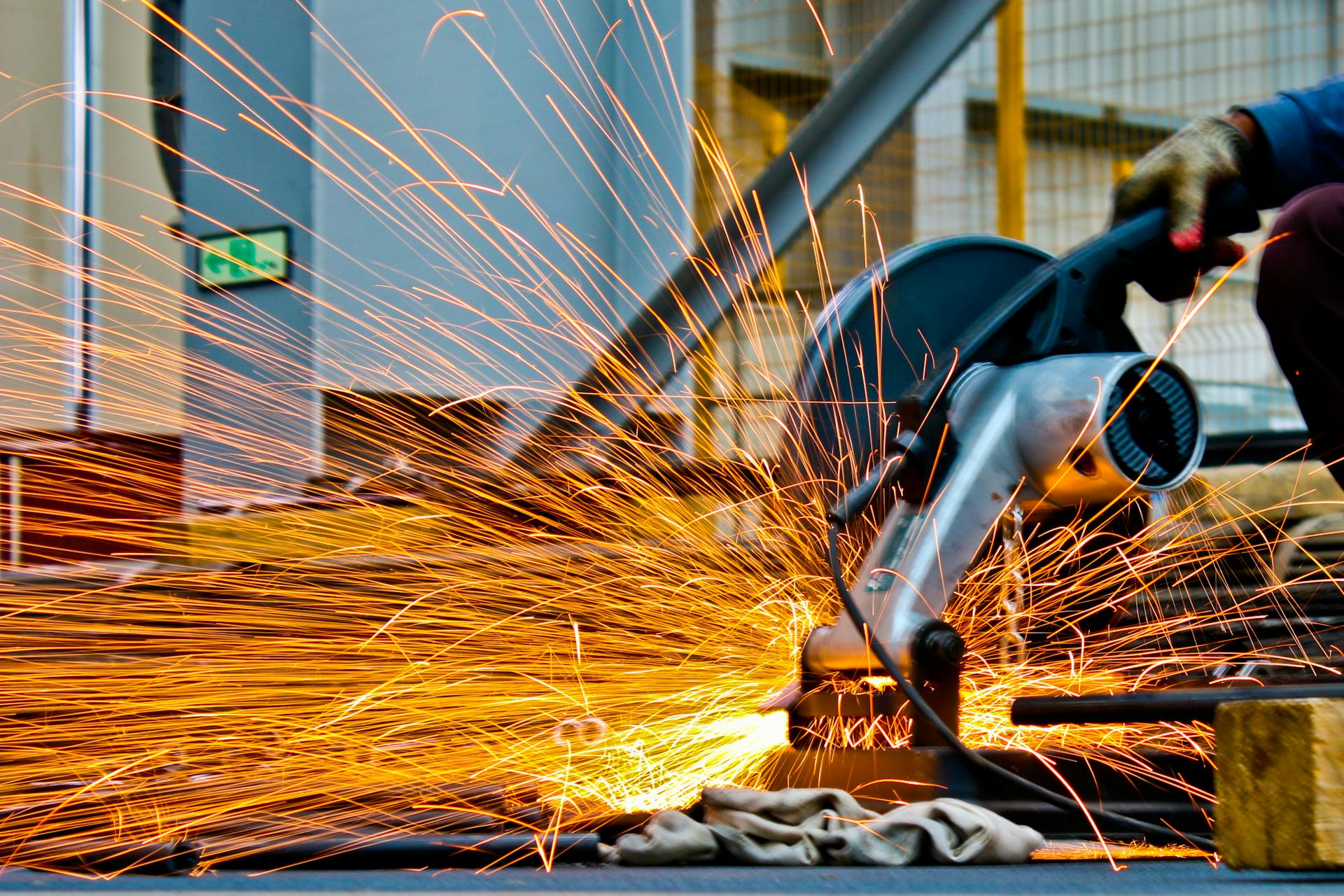
CNC machining is transforming manufacturing with automation, precision, and efficiency. Advancements in AI, IoT, and innovative materials enhance productivity and sustainability. Improved speed, accuracy, and customization reduce waste and costs. As technology evolves, CNC machining will remain a cornerstone of modern industry, driving innovation and streamlined production processes.
Table of Contents
Introduction to CNC Machining
Computer Numerical Control (CNC) machining has revolutionized the manufacturing sector by introducing unparalleled precision and automation in creating intricate and precise components. This remarkable technology employs advanced software and hardware to automate machine tool operations, enhancing production efficiency across diverse industries. From small workshops to large-scale manufacturing conglomerates, CNC machining adapts seamlessly to diverse operational needs, making it indispensable in environments demanding intricate precision and efficiency.
Among the various CNC processes, CNC Turning is crucial. It involves rotating the workpiece against a stationary cutting tool, enabling manufacturers to craft detailed and precise cylindrical parts. CNC Turning is preferred in today’s high-demand production environments because it maintains remarkable accuracy while minimizing production time and waste.
History and Evolution of CNC Technology
The journey of CNC technology began as an ambitious project in the 1950s, aiming to automate the labor-intensive processes inherent in traditional machining methods. Initially rudimentary and manual, early CNC systems have since evolved into highly sophisticated and efficient solutions. Today, they embody a seamless integration of mechanical engineering and digital computing, unlocking new possibilities in manufacturing. This evolution was made possible by visionary engineers and tech pioneers who foresaw the profound impact such technology could have on global industry standards.
Key Components of CNC Machines
The operative brilliance of CNC machines lies in their key components, which work in unison to convert digital blueprints into tangible objects with high precision. The control unit is the command center, translating digital designs into executable instructions. Motors and drive systems provide the mechanical movement, ensuring accuracy and consistency, while high-precision cutting tools shape the raw material into the desired end product. Each component is engineered to perform with precise coordination, making CNC machines a marvel of modern engineering.
Benefits of CNC Machining in Modern Manufacturing
Incorporating CNC machining into manufacturing processes delivers numerous benefits, catapulting industries into a new era of production efficiency. High precision and repeatability are among the most significant advantages, minimizing the margin of human error. This capability dramatically improves product quality, aiding industries such as aerospace, automotive, and healthcare, where precision is paramount. Furthermore, CNC machines can operate tirelessly, running around the clock, which markedly boosts production capacity and reduces product time-to-market. By abating bottlenecks and increasing throughput, CNC technology empowers manufacturers to meet modern consumers’ increasingly complex and high-volume demands.
Challenges and Opportunities in the CNC Industry
Despite its advantages, the CNC industry is not without challenges. High initial setup and operational costs can be prohibitive, particularly for smaller firms. This financial barrier, coupled with a growing skills gap due to the rapid pace of technological advancement, presents significant hurdles. Yet, these challenges unveil opportunities for further innovation. By investing in workforce training and education, companies can bridge the skills gap and unleash the full potential of CNC technology. Moreover, by fostering collaborative innovation and utilizing emerging technologies, the industry can mitigate costs and streamline operations, preparing for future advancements.
The Function of AI and Automation in CNC Procedures
Automation and Artificial Intelligence (AI) rapidly transform CNC processes, increasing efficiency. Integrating innovative technologies enables machines to self-monitor, diagnose, and adapt to changing conditions, drastically reducing downtime and operational inefficiencies. AI-driven enhancements empower CNC systems with predictive maintenance capabilities, anticipating potential failures before they occur. This extends the machine and ensures consistent performance, maximizing productivity while minimizing the need for unanticipated repairs and costly maintenance schedules.
Future Trends in CNC Machining
The horizon for CNC machining gleams with promising advancements and burgeoning trends. Innovations in materials science, hybrid manufacturing methods that combine additive and subtractive processes, and the increasing incorporation of Internet of Things (IoT) technologies stand poised to redefine the CNC landscape. The shift towards eco-friendly materials and energy-efficient practices aligns with global sustainability efforts, improving manufacturing processes’ environmental footprint. Furthermore, developing adaptable, multi-functional CNC machines bridge existing gaps, enabling industries to cater to increasingly diversified and evolving market demands with greater agility and responsiveness.
Conclusion
CNC machining remains at the forefront of modern manufacturing technologies, wielding the power to transform how industries produce, design, and innovate. Coupling precision with efficiency, CNC machining solutions promise to continue evolving, offering new potential to innovate within the manufacturing sector. As technology advances, incorporating trends like automation, AI, and new materials, CNC machining is on the path to pushing beyond traditional boundaries, setting a new benchmark for industrial capabilities, and opening doors to areas once considered science fiction.


