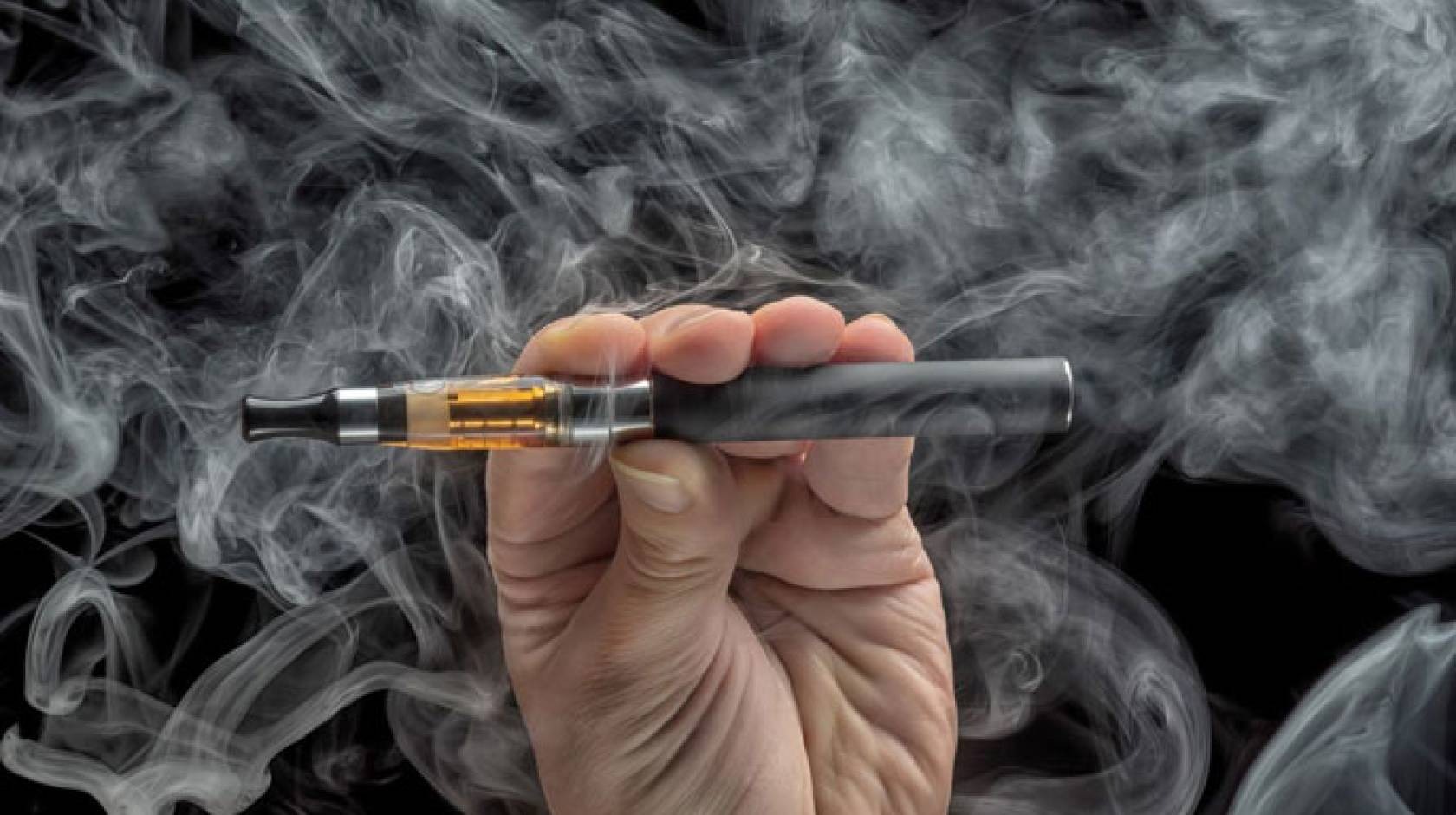
The world of smoking alternatives has undergone a remarkable transformation over the last decade. What began as a niche concept has evolved into a multi-billion-dollar industry, offering solutions that aim to reduce harm, support smoking cessation, and redefine personal wellness. At the center of this revolution is vaping, a technology that has advanced rapidly and continues to push boundaries. With innovation driving new developments, the future of smoke-free technology looks promising for both individuals and public health.
Table of Contents
The Evolution of Vaping
Vaping started as a simple concept: to deliver nicotine without the harmful effects of burning tobacco. Early devices were rudimentary, often unreliable, and lacked the sophistication needed to appeal to a wide audience. However, modern vaping has come a long way. Today’s devices offer sleek designs, consistent performance, and customizable features that cater to a variety of preferences.
What makes vaping stand out is its adaptability. Users can choose from disposable options, pod systems, or advanced mods depending on their lifestyle. This variety makes it easier for smokers to find an alternative that suits their needs, ensuring greater success in reducing or eliminating cigarette consumption.
Key Innovations Shaping the Industry
1. Smart Devices and Technology Integration
The newest vaping devices are no longer just nicotine delivery systems—they are becoming intelligent gadgets. Smart vapes now feature Bluetooth connectivity, apps, and usage tracking, allowing users to monitor nicotine intake and set goals for gradual reduction. These tools transform vaping into a data-driven experience, empowering users to take control of their habits.
2. Improved Battery and Charging Systems
Battery life has always been a concern for vapers, but recent advancements have addressed this. Fast-charging technology, longer-lasting batteries, and safer charging systems ensure reliability throughout the day. This makes devices more convenient and dependable, reducing frustration and encouraging smokers to stick with vaping instead of reverting to cigarettes.
3. Enhanced E-Liquid Options
Innovation is not limited to hardware—e-liquids have also evolved significantly. Today’s options provide a balance of satisfying throat hit, diverse flavors, and smooth nicotine delivery. Products such as elux vape liquid demonstrate how flavor technology continues to improve, helping vapers enjoy a more tailored and enjoyable experience.
4. Eco-Friendly and Sustainable Designs
With the rise of disposables, concerns about environmental impact have grown. In response, manufacturers are developing recyclable devices, refillable pods, and biodegradable packaging. This shift toward sustainability ensures that innovation not only benefits consumers but also reduces harm to the planet.
5. Medical and Therapeutic Applications
Researchers are exploring how vaping technology could expand beyond nicotine delivery. The potential to deliver vitamins, CBD, or other wellness-focused substances opens up new avenues for therapeutic use. Such applications could redefine vaping as more than just an alternative to smoking—turning it into a broader tool for health management.
Why Vaping is Central to a Smoke-Free Future
The ultimate goal of vaping innovation is to create a world with fewer smokers and lower smoking-related deaths. Traditional cigarettes remain one of the leading causes of preventable disease, and alternatives that provide nicotine with reduced harm have the potential to save millions of lives.
Studies already suggest that vaping is significantly less harmful than smoking, and as devices become safer, more efficient, and easier to use, their potential to replace cigarettes grows stronger. Public health strategies increasingly acknowledge vaping as a harm reduction tool, signaling a shift toward a smoke-free future.
Accessibility and Convenience Driving Change
One of the reasons vaping continues to grow in popularity is its accessibility. Modern products are designed for ease of use, with disposables and pod systems offering hassle-free experiences. Devices like the Lost Mary BM6000 are prime examples—compact, user-friendly, and designed for smokers seeking a simple alternative without complicated settings. This accessibility ensures that even those hesitant about technology can make the switch.
The Role of Regulation and Safety Standards
As vaping technology evolves, regulation becomes critical. Ensuring product safety, quality control, and clear labeling helps protect consumers while fostering trust in the industry. Governments and health organizations worldwide are working to strike a balance between accessibility for adult smokers and restrictions to prevent youth uptake.
In the future, innovations will likely be shaped by stricter regulations, encouraging companies to produce devices that meet higher safety and performance standards. This balance between innovation and responsibility will be key to sustaining long-term growth.
Consumer Trends and the Next Generation of Vaping
As technology advances, consumers expect more personalization and sophistication. The next wave of vaping innovation will likely include:
- Customizable nicotine delivery: Devices that automatically adjust nicotine output to match user preferences.
- Smart health integration: Syncing with wearable devices to track usage, lung health, or even stress levels.
- Premium flavor experiences: Expanding beyond traditional e-liquids into gourmet and functional options.
- Hybrid devices: Combining vaping with other wellness technologies, such as aromatherapy.
These trends point to a future where vaping becomes more than just an alternative to smoking—it evolves into a lifestyle choice and wellness tool.
Challenges Ahead
Despite the rapid growth of vaping innovation, challenges remain. Concerns about youth vaping, misinformation, and long-term safety must continue to be addressed. Additionally, the industry must balance consumer demand for convenience with environmental responsibility, particularly in managing disposable waste.
The success of vaping as a smoke-free technology will depend on how well these challenges are met. Collaboration between manufacturers, regulators, and health organizations will be essential in ensuring vaping remains a tool for harm reduction rather than a public health concern.
Conclusion
Vaping is no longer a passing trend—it is a transformative technology reshaping the future of smoking alternatives. From smart devices and sustainable designs to advanced e-liquids and therapeutic potential, innovation continues to push the boundaries of what vaping can achieve.
Products like the Lost Mary BM6000 and elux vape liquid highlight how far the industry has come in offering accessible, satisfying, and safer alternatives to cigarettes. As technology advances and regulation strengthens, vaping has the potential to lead society toward a smoke-free future—where harm is reduced, health outcomes improve, and innovation continues to benefit consumers worldwide.