Public relations has changed significantly over the last decade.
PR professionals are no longer responsible only for writing press releases and contacting journalists. Modern PR teams need to find relevant reporters, build media relationships, distribute company news, monitor brand mentions, track public sentiment, manage potential crises, and demonstrate the results of their campaigns.
Managing all these activities manually can quickly become overwhelming.
That’s where PR tools come in.
The right PR software can help businesses discover journalists, organize media contacts, send personalized pitches, monitor news coverage, track brand conversations, distribute press releases, and create reports that demonstrate the impact of PR campaigns.
However, there is no single PR tool that works perfectly for every organization.
Some platforms are designed primarily for journalist outreach. Others specialize in media monitoring, social listening, press release distribution, or PR reporting.
In this guide, we’ll look at the 10 best PR tools available for different use cases and explain what each platform does, who it is best suited for, and how to choose the right one for your PR strategy.
Table of Contents
TL;DR: Best PR Tools at a Glance
| Tool | Best For | Primary Function |
|---|---|---|
| Muck Rack | Journalist outreach | Media database and relationship management |
| Cision | Enterprise PR teams | All-in-one PR and media intelligence |
| Meltwater | Media intelligence | Media monitoring and social listening |
| Semrush AI PR Toolkit | AI-powered PR | Media outreach and PR workflow assistance |
| Prezly | Small PR teams | PR CRM and online newsroom |
| Brandwatch | Social listening | Consumer intelligence and reputation monitoring |
| PR Newswire | Press releases | Press release distribution |
| Qwoted | Expert opportunities | Connecting experts with journalists |
| Brand24 | Small businesses | Affordable media and brand monitoring |
| CoverageBook | PR agencies | PR reporting and coverage reports |
Our Quick Recommendations
- Best overall for media relations: Muck Rack
- Best enterprise PR platform: Cision
- Best for media intelligence: Meltwater
- Best AI-powered PR tool: Semrush AI PR Toolkit
- Best PR CRM and newsroom: Prezly
- Best for social listening: Brandwatch
- Best for press release distribution: PR Newswire
- Best for expert media opportunities: Qwoted
- Best affordable monitoring tool: Brand24
- Best for PR reporting: CoverageBook
What Are PR Tools?
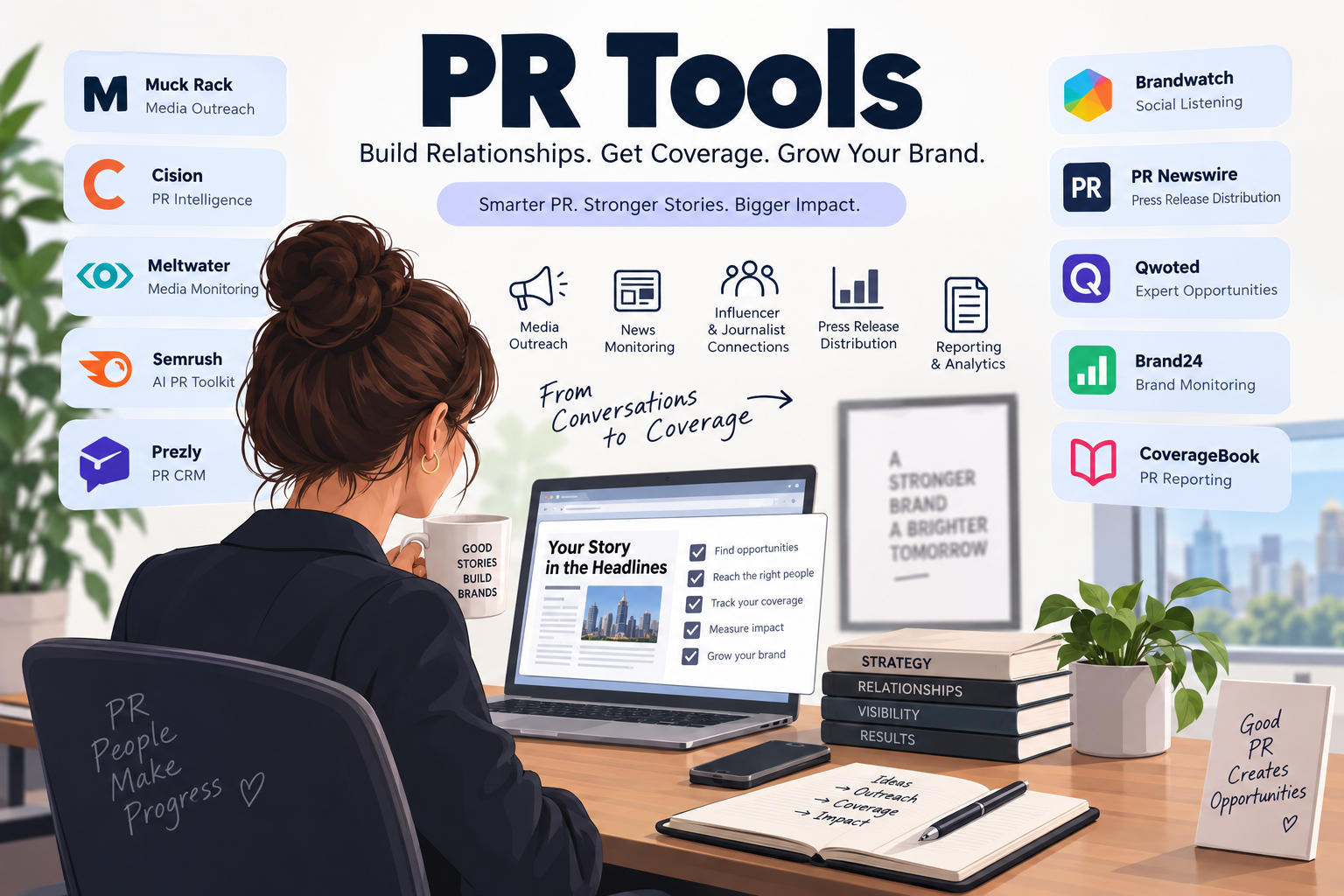
PR tools are software platforms that help businesses, agencies, and communications professionals manage different parts of their public relations strategy.
Depending on the platform, PR software can help with everything from finding journalists to measuring the results of a media campaign.
The most common types of PR tools include:
Media databases
Media databases contain information about journalists, editors, bloggers, publications, and other media professionals.
PR teams can use these databases to identify journalists who cover specific industries or topics.
For example, a cybersecurity company might search for journalists who regularly write about:
- Cybersecurity
- Data breaches
- Enterprise technology
- Artificial intelligence
- SaaS
This makes it easier to send relevant pitches to journalists who are actually interested in the topic.
Journalist outreach tools
Journalist outreach tools help PR professionals manage media relationships and pitching campaigns.
They may include features for:
- Building media lists
- Managing journalist contacts
- Tracking outreach
- Sending personalized pitches
- Monitoring email engagement
- Managing follow-ups
Media monitoring tools
Media monitoring platforms track mentions of your company, brand, executives, competitors, or keywords across online news publications and other media sources.
This helps PR teams understand where and how their brand is being discussed.
Social listening tools
Social listening platforms monitor conversations happening on social media and other online platforms.
These tools can help businesses track:
- Brand sentiment
- Customer conversations
- Competitor mentions
- Trending topics
- Potential PR crises
Press release distribution services
Press release distribution platforms help businesses distribute announcements to media outlets, journalists, investors, and other audiences.
These services are commonly used for major announcements such as:
- Product launches
- Funding announcements
- Partnerships
- Executive appointments
- Corporate milestones
- Financial news
PR reporting tools
PR reporting software helps teams collect and present media coverage.
Instead of manually creating spreadsheets and screenshots, PR professionals can automatically build reports showing:
- Media mentions
- Publication coverage
- Campaign results
- Reach
- Coverage trends
How We Selected the Best PR Tools
The best PR software depends heavily on what a business actually needs.
A small startup running its first media campaign will have very different requirements than a global corporation monitoring thousands of media mentions.
For this reason, we evaluated these PR tools based on several factors.
These include:
- Media database capabilities
- Journalist discovery
- Media outreach features
- Media monitoring
- Social listening
- Press release distribution
- Analytics
- Reporting
- Ease of use
- AI capabilities
- Pricing and value
- Suitability for different business sizes
Rather than trying to identify one platform as the best for everyone, we selected tools that excel in specific areas of public relations.
The 10 Best PR Tools
1. Muck Rack — Best for Journalist Outreach and Media Relations
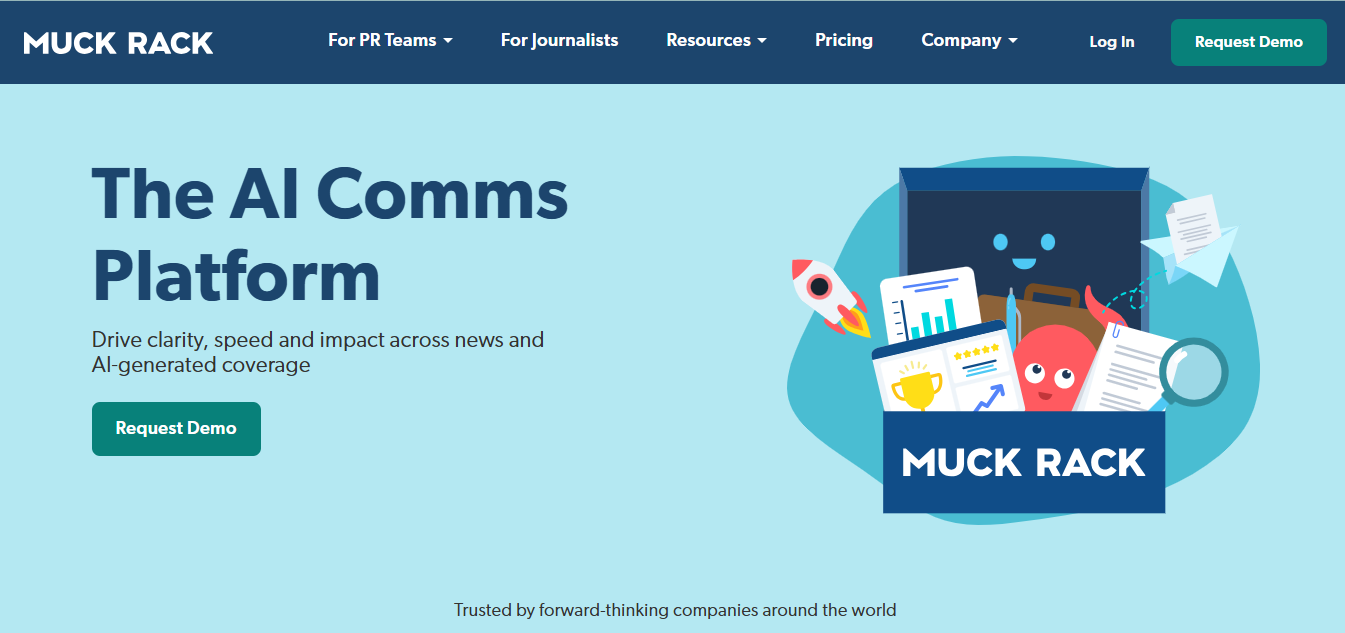
Muck Rack is one of the best-known PR platforms for finding journalists and managing media relationships.
The platform is primarily designed for PR professionals who regularly research reporters, build media lists, pitch stories, and monitor media coverage.
For many agencies and in-house communications teams, journalist outreach is one of the most time-consuming parts of PR. Finding the right journalist requires researching what they write about, where they work, and whether they are likely to be interested in your story.
Muck Rack helps simplify this process.
Key Features
Muck Rack offers features such as:
- Journalist and media databases
- Journalist profile research
- Media list building
- Contact management
- Pitching tools
- Media monitoring
- Coverage alerts
- PR analytics
- Campaign reporting
- Media relationship management
What Makes Muck Rack Different?
One of Muck Rack’s biggest strengths is its focus on understanding journalists.
Rather than simply providing a large list of email addresses, the platform gives PR professionals information about individual journalists and their work.
Users can often research:
- Topics a journalist covers
- Recent articles
- Publication information
- Areas of expertise
- Contact details
- Previous media interactions
This information can help PR professionals send more relevant and personalized pitches.
For example, instead of sending a cybersecurity press release to every technology journalist, a PR professional can identify reporters who specifically cover cybersecurity and data privacy.
This targeted approach can improve outreach quality and reduce irrelevant pitches.
Pros
- Strong journalist discovery capabilities
- Useful media research tools
- Helps build targeted media lists
- Combines outreach and monitoring
- Useful for agencies and PR teams
- Strong reporting features
Cons
- May be expensive for smaller businesses
- Can offer more features than small teams need
- Pricing may require contacting the company directly
Best For
Muck Rack is particularly suitable for:
- PR agencies
- Corporate communications teams
- B2B companies
- Technology companies
- Large marketing teams
- Organizations with ongoing media relations programs
Bottom Line
Muck Rack is one of the strongest PR tools for businesses and agencies that prioritize journalist relationships and targeted media outreach.
If pitching journalists is a major part of your PR strategy, it is one of the platforms worth considering first.
2. Cision — Best All-in-One Enterprise PR Platform
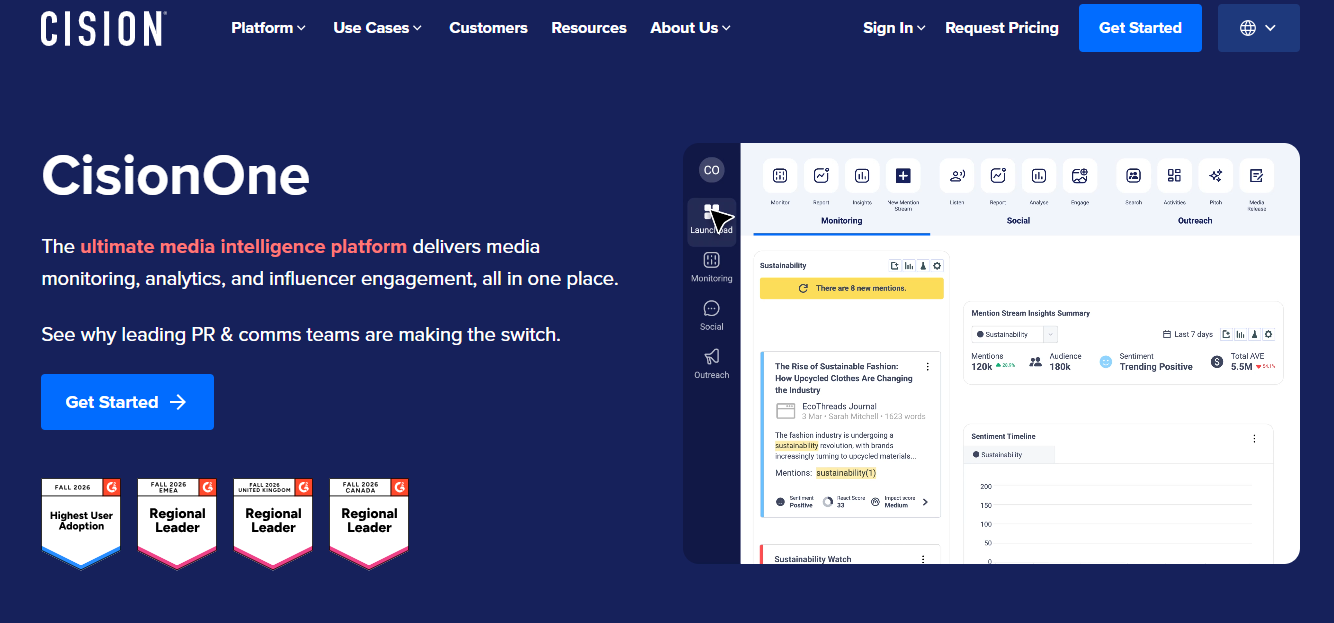
Cision is one of the largest and most established names in the public relations software industry.
The platform provides a wide range of PR capabilities, including media databases, journalist outreach, media monitoring, analytics, and press release distribution.
Cision is primarily aimed at larger organizations that need a comprehensive PR technology platform.
Instead of using separate tools for multiple PR activities, enterprise teams can potentially manage several functions within one ecosystem.
Key Features
Cision offers capabilities such as:
- Journalist databases
- Media contact information
- Media monitoring
- Broadcast monitoring
- Online news monitoring
- Social media monitoring
- PR analytics
- Campaign reporting
- Media outreach
- Press release distribution
Why Use Cision?
Cision’s biggest advantage is its breadth.
PR teams often need several different types of software.
For example:
- One tool for finding journalists
- Another for monitoring media mentions
- Another for distributing press releases
- Another for reporting
Cision attempts to bring many of these activities together.
This can be particularly useful for large organizations managing complex communications programs.
Enterprise-Level Capabilities
Large companies may need to monitor:
- Thousands of news sources
- Multiple countries
- Several languages
- Competitors
- Industry trends
- Executive mentions
- Social conversations
Enterprise PR platforms are designed to manage these larger volumes of information.
Pros
- Comprehensive PR platform
- Large media database
- Strong monitoring capabilities
- Extensive analytics
- Suitable for enterprise organizations
- Multiple PR functions in one ecosystem
Cons
- Can be expensive
- May have a learning curve
- Potentially excessive for small businesses
- Pricing can be customized rather than publicly listed
Best For
Cision is best suited for:
- Large corporations
- Enterprise PR teams
- Global organizations
- Large PR agencies
- Public companies
- Companies managing complex communications strategies
Bottom Line
Cision is one of the best options for organizations looking for a broad enterprise-level PR platform.
Smaller companies may find specialized or more affordable tools more suitable, but large communications teams can benefit from its extensive capabilities.
3. Meltwater — Best for Media Intelligence and Monitoring
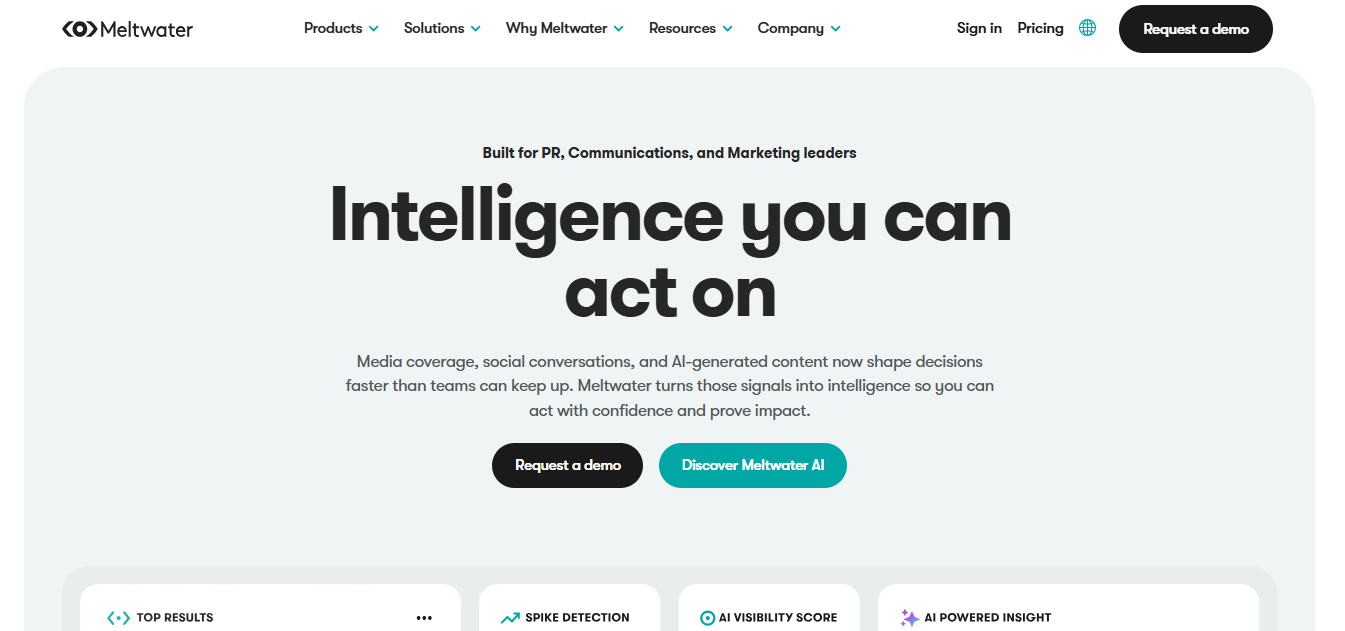
Meltwater is a media intelligence platform that helps organizations monitor news coverage, social conversations, brand mentions, and industry trends.
While journalist outreach is part of the platform’s capabilities, Meltwater is particularly well known for media monitoring and intelligence.
The platform can help PR teams understand what is being said about their brand and how public conversations are changing.
Key Features
Meltwater offers:
- Online news monitoring
- Media monitoring
- Social listening
- Brand monitoring
- Competitor monitoring
- Sentiment analysis
- Trend analysis
- PR analytics
- Media intelligence
- Crisis monitoring
- Reporting
Why Media Intelligence Matters
Traditional PR reporting often focused on counting media mentions.
However, modern PR teams need deeper insights.
For example:
- Is media coverage positive or negative?
- Are brand mentions increasing?
- Which publications are discussing competitors?
- What topics are journalists discussing?
- Are negative conversations starting to trend?
- How does our share of voice compare with competitors?
Media intelligence platforms help answer these questions.
Crisis Monitoring
One of the most valuable use cases for media monitoring tools is reputation management.
Negative news can spread quickly.
A company may need to identify:
- Negative media coverage
- Viral social posts
- Customer complaints
- Industry controversies
- Executive mentions
Early detection gives communications teams more time to respond.
Pros
- Strong media monitoring capabilities
- Extensive media intelligence
- Social listening features
- Useful for reputation management
- Suitable for large organizations
- Advanced reporting
Cons
- Enterprise-level pricing
- Can be complex
- May provide more capabilities than smaller teams require
Best For
Meltwater is ideal for:
- Large brands
- Enterprise communications teams
- Global organizations
- PR agencies
- Reputation management teams
- Companies that need extensive monitoring
Bottom Line
Meltwater is one of the strongest PR platforms for organizations that need detailed media intelligence, monitoring, and social listening.
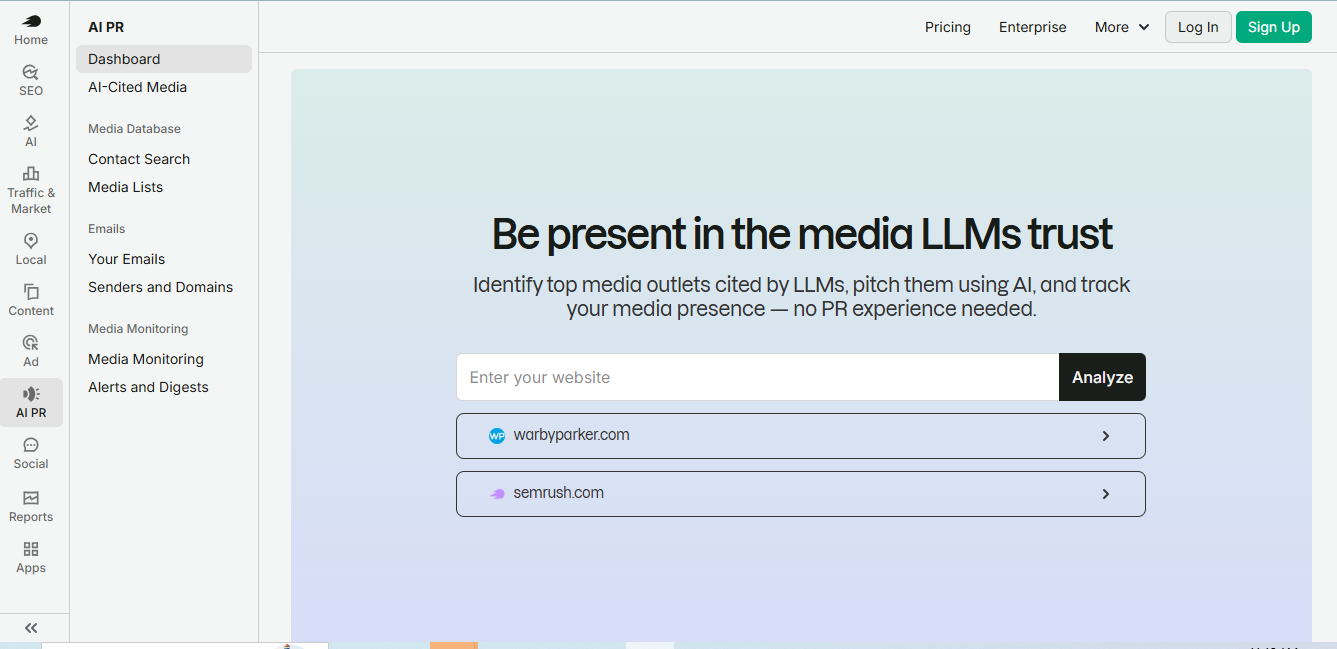
4. Semrush AI PR Toolkit — Best for AI-Powered PR Workflows
Artificial intelligence is increasingly becoming part of the PR workflow.
PR professionals spend significant time researching journalists, analyzing publications, identifying opportunities, and creating personalized pitches.
AI tools can help reduce some of this manual work.
The Semrush AI PR Toolkit is designed to support modern PR teams with AI-powered research and outreach workflows.
Key Features
Depending on the available product features, AI-powered PR tools can help with:
- Journalist research
- Media opportunity discovery
- Outreach planning
- Pitch development
- Media list creation
- Campaign research
- PR workflow automation
- AI-powered recommendations
Why AI Is Becoming Important in PR
PR professionals often need to personalize outreach at scale.
However, personalization requires research.
Before pitching a journalist, a PR professional may need to understand:
- What topics they cover
- What they recently wrote about
- Whether the story is relevant
- How to position the pitch
AI can potentially speed up this research process.
However, AI should not completely replace human judgment.
A generic AI-generated pitch sent to hundreds of journalists can still feel like spam.
The best approach is to use AI to support research and workflow efficiency while maintaining human oversight.
Pros
- AI-assisted workflow
- Can reduce manual research
- Useful for modern PR teams
- Supports media outreach activities
- Potentially useful for smaller teams
Cons
- AI output still requires human review
- AI cannot replace genuine media relationships
- Results depend on the quality of the underlying PR strategy
Best For
This type of AI-powered PR platform is useful for:
- Startups
- Small PR teams
- Digital PR professionals
- Marketing teams managing PR internally
- Agencies experimenting with AI workflows
Bottom Line
AI-powered PR tools are becoming increasingly useful for research and workflow efficiency.
The Semrush AI PR Toolkit is worth considering for teams looking to integrate AI into their media outreach process.
5. Prezly — Best for PR CRM and Online Newsrooms
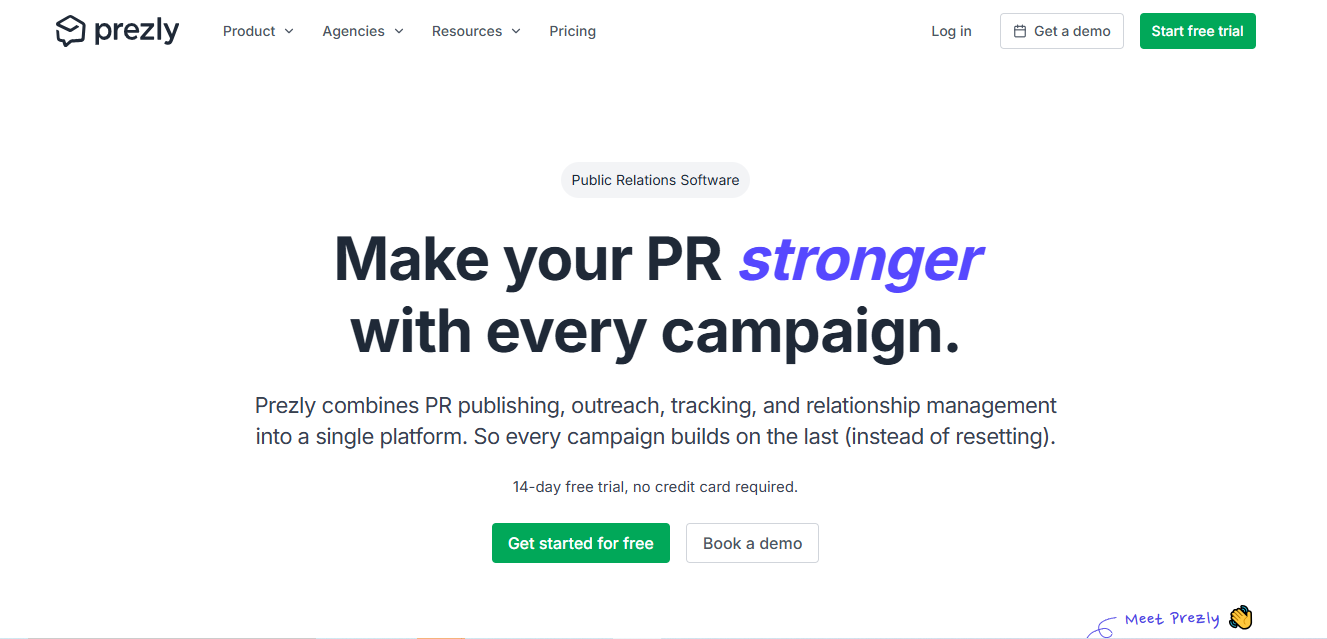
Prezly is a PR platform focused on storytelling, relationship management, media outreach, and online newsrooms.
Unlike some enterprise PR platforms that focus heavily on media databases and monitoring, Prezly puts significant emphasis on managing media relationships and publishing brand stories.
This makes it particularly useful for smaller PR teams and agencies.
Key Features
Prezly includes:
- PR CRM
- Contact management
- Media outreach
- Online newsroom creation
- Story publishing
- Multimedia content support
- Email campaigns
- Analytics
- Media monitoring
What Is an Online Newsroom?
An online newsroom is a dedicated section of a company’s website where journalists and other stakeholders can access company information.
A newsroom may include:
- Press releases
- Company announcements
- Executive bios
- Brand assets
- Product information
- Images
- Videos
- Media contact information
Having this information organized in one place can make it easier for journalists to research a company.
PR Relationship Management
PR is heavily relationship-driven.
A PR CRM can help teams keep track of:
- Journalists
- Previous conversations
- Media preferences
- Pitch history
- Contact information
- Relationships
This can be more valuable than simply maintaining a large spreadsheet of media contacts.
Pros
- User-friendly
- Strong PR CRM
- Professional newsroom capabilities
- Useful storytelling tools
- Good for smaller teams
Cons
- May not have the same scale as enterprise media databases
- Monitoring capabilities may be less extensive than specialist tools
- Large enterprises may need additional platforms
Best For
Prezly is suitable for:
- Startups
- Small PR teams
- Boutique agencies
- Growing companies
- Brands building online newsrooms
Bottom Line
Prezly is a strong choice for organizations that want to manage media relationships, publish stories, and maintain a professional online newsroom.
6. Brandwatch — Best for Social Listening and Consumer Intelligence
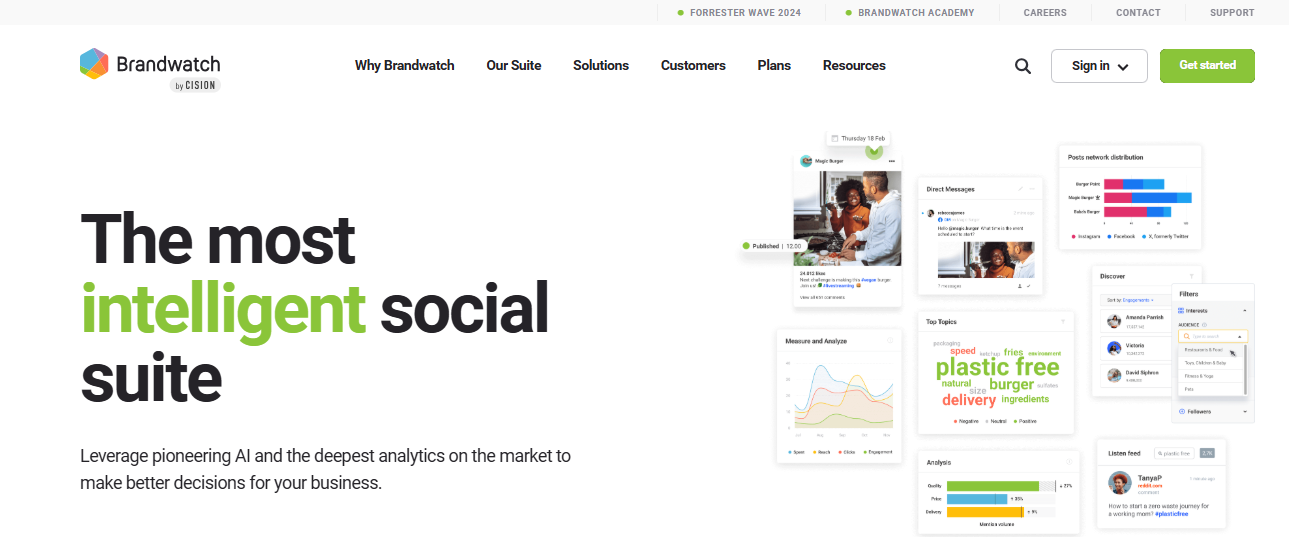
Brandwatch is best known for social listening and consumer intelligence.
While it is not primarily a journalist outreach platform, it can be extremely valuable for PR and communications teams.
Modern reputation management goes beyond traditional media.
Brands also need to understand what customers, influencers, and online communities are saying.
Brandwatch helps organizations analyze these conversations.
Key Features
Brandwatch includes capabilities such as:
- Social listening
- Consumer intelligence
- Brand monitoring
- Sentiment analysis
- Competitor analysis
- Trend detection
- Audience insights
- Crisis detection
- Reporting dashboards
Why Social Listening Matters for PR
A company can receive positive coverage from major publications while simultaneously facing negative conversations on social media.
Traditional media monitoring alone may not provide the complete picture.
Social listening helps PR teams understand:
- Public sentiment
- Customer concerns
- Viral conversations
- Emerging controversies
- Competitor perception
- Industry trends
Example Use Case
Imagine a company launches a new product.
The PR team may want to know:
- How many people are discussing the launch?
- What is the overall sentiment?
- What complaints are appearing?
- Which influencers are talking about it?
- Are competitors responding?
- Which social platforms are generating the most discussion?
Social listening platforms help answer these questions.
Pros
- Powerful social listening
- Deep consumer insights
- Advanced analytics
- Strong enterprise capabilities
- Useful for reputation management
Cons
- Can be expensive
- May require training
- Not primarily designed for journalist outreach
Best For
Brandwatch is ideal for:
- Large brands
- Consumer companies
- Enterprise PR teams
- Social media teams
- Reputation management teams
Bottom Line
Brandwatch is one of the best options for organizations that want to deeply understand online conversations and consumer sentiment.
7. PR Newswire — Best for Press Release Distribution
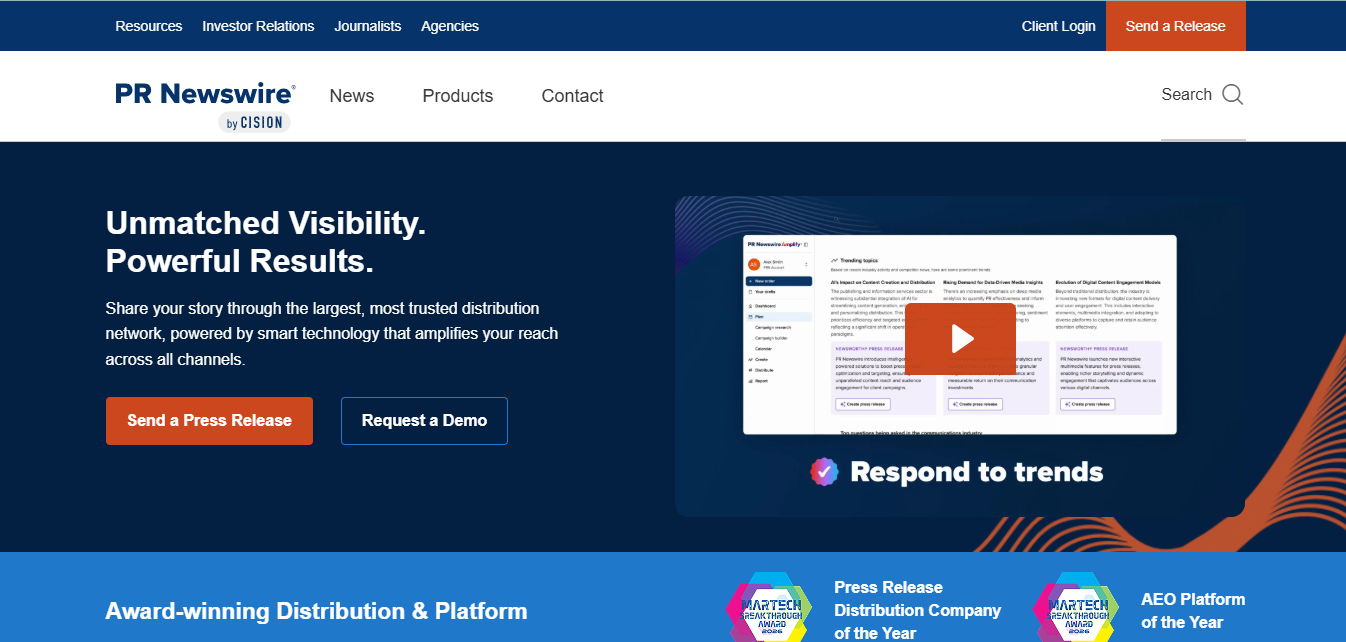
PR Newswire is one of the most recognized names in press release distribution.
The service helps companies distribute announcements to media outlets, journalists, investors, and other audiences.
It is particularly useful for major corporate announcements.
Key Features
PR Newswire provides:
- Press release distribution
- Newswire distribution
- Multimedia releases
- Distribution targeting
- Corporate news distribution
- Reporting
- Visibility tracking
When Should You Use Press Release Distribution?
Press release distribution can be useful for important announcements such as:
- Product launches
- Funding announcements
- Partnerships
- Mergers and acquisitions
- Executive appointments
- Financial announcements
- Corporate milestones
An Important PR Reality
Press release distribution does not guarantee earned media coverage.
This is an important distinction.
Publishing or distributing a press release means your announcement becomes available through a distribution network.
Earned media means a journalist independently decides to cover the story.
For example:
Press release distribution:
Your company publishes an announcement through a newswire.
Earned media:
A journalist at a major publication interviews your CEO and writes an original article about your company.
Both can be valuable, but they are different PR outcomes.
Pros
- Established distribution network
- Suitable for major announcements
- Broad distribution capabilities
- Useful targeting options
- Recognized brand
Cons
- Can be expensive
- Distribution does not guarantee editorial coverage
- Not a replacement for direct media outreach
Best For
PR Newswire is suitable for:
- Enterprise companies
- Public companies
- Investor relations teams
- Major corporate announcements
- Companies requiring broad distribution
Bottom Line
PR Newswire is best viewed as a press release distribution tool rather than a complete PR platform.
It can be most effective when used alongside direct journalist outreach and a broader media relations strategy.
8. Qwoted — Best for Connecting Experts With Journalists
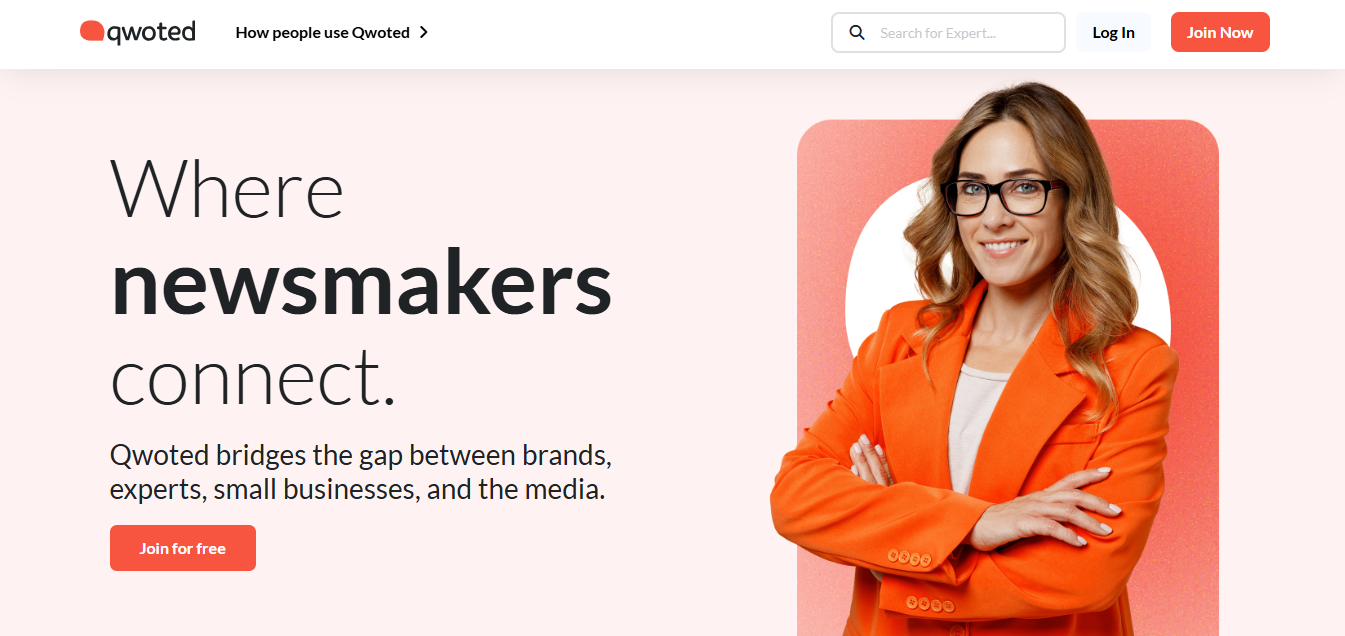
Qwoted helps connect journalists with expert sources.
Journalists frequently need experts to provide:
- Quotes
- Professional opinions
- Industry commentary
- Data
- Case studies
- Company examples
Qwoted provides opportunities for experts and companies to respond to relevant media requests.
Key Features
The platform can help users access:
- Journalist requests
- Expert opportunities
- Source requests
- Media opportunities
- PR networking
- Pitching opportunities
How Expert Opportunities Work
A journalist might be working on an article about artificial intelligence in marketing.
They may request:
Marketing experts who can explain how AI is changing content creation.
Relevant experts can respond with useful insights.
If the journalist finds the response valuable, they may include the expert or company in the article.
Why This Is Useful for PR
Traditional media outreach requires PR professionals to pitch journalists with story ideas.
Source-request platforms work differently.
Instead of convincing a journalist to cover a story, PR professionals respond to journalists who are already looking for information.
This can create highly relevant media opportunities.
Pros
- Opportunity-based outreach
- Useful for thought leadership
- Relevant for experts and founders
- Can generate earned media opportunities
- Useful for digital PR
Cons
- Opportunities can be competitive
- No guarantee of coverage
- Requires fast responses
- Quality of responses is critical
Best For
Qwoted is particularly useful for:
- Founders
- Executives
- Subject matter experts
- Small businesses
- PR agencies
- Digital PR professionals
Bottom Line
Qwoted is a useful platform for companies and experts who want to earn media coverage by responding to journalists actively looking for sources.
9. Brand24 — Best Affordable Brand Monitoring Tool
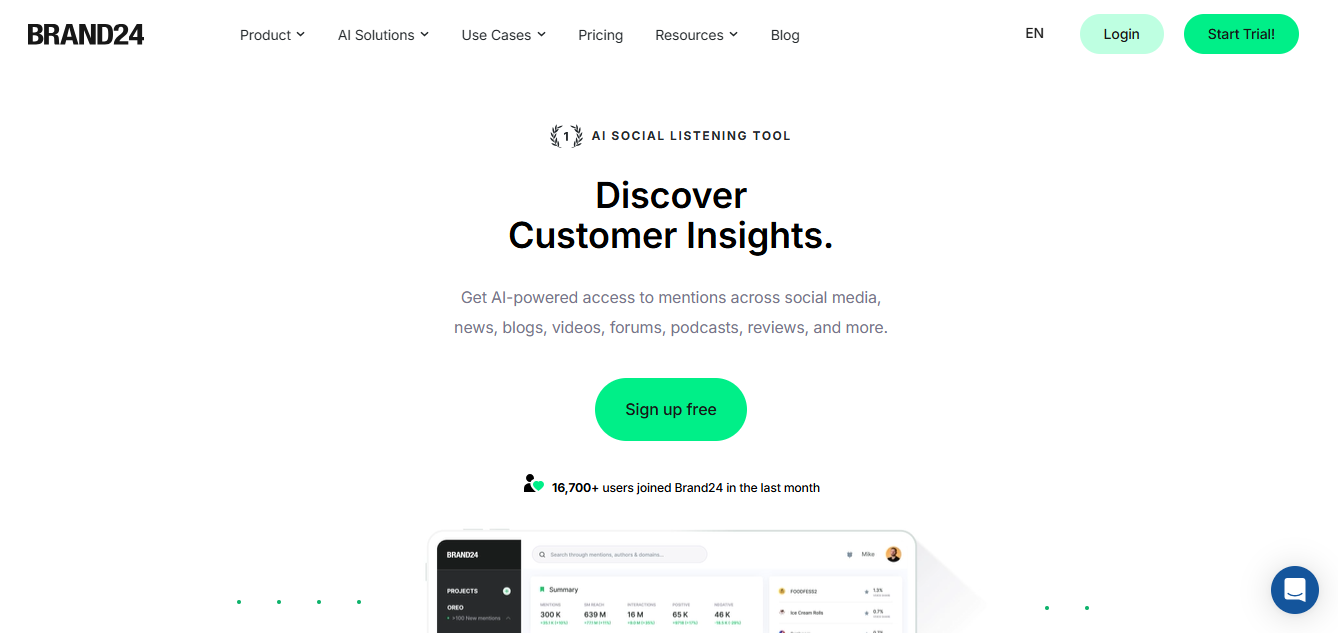
Not every company needs an expensive enterprise media intelligence platform.
Smaller businesses may simply want to know when someone mentions their company online.
Brand24 is designed to make media and brand monitoring more accessible.
The platform helps businesses track mentions of their brand, products, competitors, and keywords.
Key Features
Brand24 offers:
- Brand monitoring
- Online mention tracking
- Social media monitoring
- Sentiment analysis
- Competitor monitoring
- Alerts
- Discussion volume tracking
- Influencer identification
- Reporting
What Can You Monitor?
Businesses can track keywords related to:
- Company names
- Product names
- Brand campaigns
- Competitors
- Executives
- Industry topics
For example, a startup could create monitoring projects for:
- Its company name
- Its main product
- Its competitors
- Important industry keywords
Real-Time Alerts
One of the most useful features of monitoring platforms is alerts.
Instead of manually searching Google and social media every day, businesses can receive notifications when important mentions appear.
This can be useful for:
- Reputation management
- Customer feedback
- Media mentions
- Competitor tracking
- Crisis detection
Pros
- More affordable than many enterprise platforms
- Easy to use
- Real-time alerts
- Sentiment tracking
- Useful for small businesses
Cons
- Not a complete PR outreach platform
- May not offer the same depth as enterprise intelligence platforms
- Large global organizations may need more advanced capabilities
Best For
Brand24 is suitable for:
- Startups
- Small businesses
- Freelancers
- Small PR agencies
- Marketing teams
Bottom Line
Brand24 is a good option for businesses that want brand and media monitoring without investing in expensive enterprise PR software.
10. CoverageBook — Best for PR Reporting
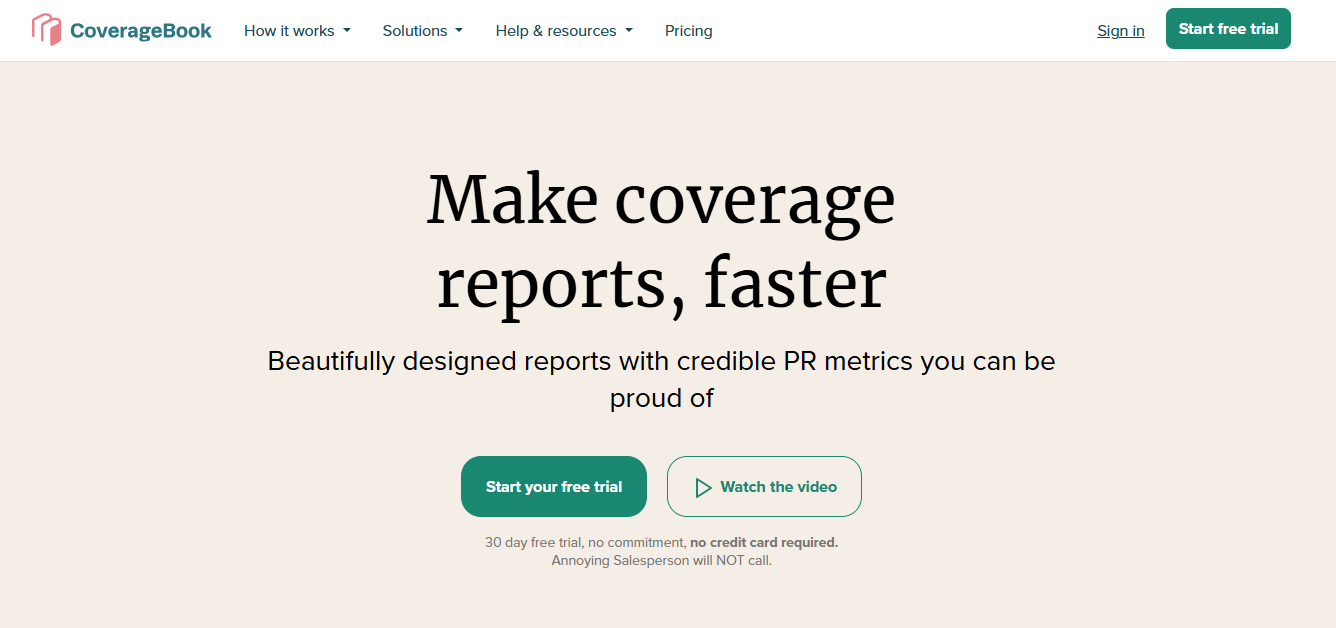
CoverageBook focuses on one specific PR problem: reporting.
PR professionals spend significant time demonstrating the results of their work.
Clients and executives often want to know:
- What media coverage did we receive?
- Which publications mentioned us?
- How many articles were published?
- What was the campaign impact?
- How does this campaign compare with previous campaigns?
Creating these reports manually can be time-consuming.
CoverageBook helps automate parts of the reporting process.
Key Features
CoverageBook provides:
- Media coverage collection
- Automated coverage reports
- Shareable reports
- Coverage organization
- Campaign reporting
- Client-ready presentations
- PR metrics
Why PR Reporting Matters
PR can sometimes be difficult to measure.
Unlike paid advertising, where marketers can directly track:
- Impressions
- Clicks
- Conversions
PR results can be more complex.
A PR campaign might generate:
- Media coverage
- Brand awareness
- Website traffic
- Executive credibility
- Industry authority
Reporting tools help teams organize the available data and communicate results more effectively.
Agency Use Cases
CoverageBook can be particularly useful for PR agencies.
An agency managing multiple clients may need to create monthly or campaign-based reports.
Automating this process can save significant time.
Pros
- Saves time
- Creates professional reports
- Useful for agencies
- Helps organize coverage
- Client-friendly presentation
Cons
- Specialized tool
- Not a complete PR platform
- May need to be combined with monitoring and outreach tools
Best For
CoverageBook is ideal for:
- PR agencies
- Communications consultants
- Freelance PR professionals
- Teams managing multiple campaigns
Bottom Line
CoverageBook is one of the best specialist tools for PR reporting and demonstrating campaign results.
Best PR Tools Compared
| Tool | Best For | Outreach | Monitoring | Distribution | Analytics |
|---|---|---|---|---|---|
| Muck Rack | Media relations | Excellent | Strong | Limited | Strong |
| Cision | Enterprise PR | Excellent | Excellent | Excellent | Excellent |
| Meltwater | Media intelligence | Good | Excellent | Available | Excellent |
| Semrush AI PR Toolkit | AI workflows | Strong | Limited | Limited | Moderate |
| Prezly | PR CRM | Strong | Moderate | Limited | Good |
| Brandwatch | Social listening | Limited | Excellent | No | Excellent |
| PR Newswire | Distribution | Limited | Limited | Excellent | Good |
| Qwoted | Expert opportunities | Excellent | No | No | Basic |
| Brand24 | Budget monitoring | Limited | Strong | No | Good |
| CoverageBook | PR reporting | No | No | No | Excellent |
How to Choose the Right PR Tool
The best PR tool depends on your biggest challenge.
Before purchasing software, ask yourself:
What part of our PR workflow takes the most time or creates the biggest problem?
Your answer should guide your decision.
Choose Muck Rack if You Need Better Journalist Outreach
Muck Rack is a strong option if your team regularly:
- Researches journalists
- Builds media lists
- Sends pitches
- Manages media relationships
It is particularly useful when targeted outreach is central to your PR strategy.
Choose Cision if You Need an Enterprise Platform
Cision may be suitable if you need:
- A large media database
- Extensive monitoring
- Analytics
- Distribution
- Enterprise reporting
It is best suited to organizations with larger PR operations.
Choose Meltwater if Media Intelligence Is Your Priority
Meltwater is worth considering if you need to understand:
- Brand coverage
- Competitor coverage
- Industry conversations
- Media sentiment
- Reputation trends
Choose an AI PR Tool if You Want to Improve Efficiency
AI-powered PR tools can help teams speed up:
- Journalist research
- Pitch development
- Media opportunity discovery
- Campaign planning
However, AI should support PR professionals rather than replace human relationships.
Choose Prezly if You Need a PR CRM and Newsroom
Prezly may be the right choice if you want to:
- Manage media contacts
- Build long-term journalist relationships
- Publish company stories
- Create an online newsroom
Choose Brandwatch if Social Listening Is Critical
Brandwatch is useful for organizations that need deep insights into:
- Customer conversations
- Brand perception
- Social sentiment
- Competitor activity
- Emerging trends
Choose PR Newswire if You Need Press Release Distribution
PR Newswire can be useful for major corporate announcements that require broad distribution.
Choose Qwoted for Thought Leadership Opportunities
Qwoted is useful for:
- Founders
- Executives
- Subject matter experts
It can help them find journalists looking for expert commentary.
Choose Brand24 if You Need Affordable Monitoring
Smaller businesses that need to track brand mentions without enterprise pricing may find Brand24 more suitable.
Choose CoverageBook if PR Reporting Takes Too Much Time
CoverageBook is useful when teams spend hours manually collecting screenshots and building client reports.
Can You Use Multiple PR Tools?
Yes.
In fact, many PR teams use a combination of tools rather than relying on one platform.
Different tools are designed for different parts of the PR workflow.
Example PR Stack for a Small Business
A small business might use:
- Qwoted for journalist opportunities
- Brand24 for brand monitoring
- Prezly for media contact management
- CoverageBook for reporting
Example PR Stack for an Agency
A PR agency might use:
- Muck Rack for journalist research
- Meltwater for media monitoring
- CoverageBook for client reporting
Example Enterprise PR Stack
A large organization might combine:
- Cision for media intelligence
- Brandwatch for social listening
- PR Newswire for major announcements
The goal should not be to use the maximum number of tools.
The goal should be to build a PR technology stack that solves your specific workflow problems.
Free vs Paid PR Tools
Not every business needs expensive PR software.
Free Tools Can Work for Small Teams
Startups and small businesses can begin with basic tools such as:
- Google Alerts
- Google Trends
- Google Search
- Social media monitoring
- Qwoted opportunities
- Spreadsheets for managing media lists
These tools may be sufficient for companies that only run occasional PR campaigns.
When Paid PR Tools Become Worth It
Paid tools become more valuable when:
- You manage hundreds of media contacts.
- You run multiple campaigns.
- You need global media monitoring.
- You manage multiple clients.
- You need detailed reporting.
- You need real-time alerts.
- Your team spends too much time on manual research.
The time saved by automation can sometimes justify the cost of professional PR software.
Frequently Asked Questions About PR Tools
What is the best PR tool overall?
There is no single best PR tool for every organization.
Muck Rack is one of the strongest options for journalist outreach and media relations. Cision and Meltwater are better suited to enterprise organizations requiring broader PR capabilities.
The best option depends on your primary use case.
What is the best PR tool for small businesses?
Small businesses may benefit from tools such as Brand24, Qwoted, and Prezly.
These platforms can be more practical for smaller teams that do not need large enterprise media intelligence systems.
What is the best tool for finding journalists?
Muck Rack and Cision are among the most popular options for journalist databases and media contact discovery.
These platforms help PR professionals identify journalists based on topics, industries, publications, and beats.
What is the best PR monitoring tool?
Meltwater, Cision, Brandwatch, and Brand24 are popular monitoring platforms.
The right choice depends on:
- Budget
- Monitoring volume
- Geographic coverage
- Social listening requirements
- Reporting needs
What is the best press release distribution service?
PR Newswire is one of the most established press release distribution services.
It is particularly suitable for major corporate announcements and organizations that require broad distribution.
Do Startups Need Expensive PR Software?
Not necessarily.
Many startups can begin with affordable tools and manual outreach.
Expensive PR software becomes more valuable when the volume of media research, outreach, monitoring, and reporting increases.
Can PR Tools Guarantee Media Coverage?
No.
PR tools can help you:
- Find journalists
- Research publications
- Manage media relationships
- Send pitches
- Monitor coverage
- Distribute announcements
However, they cannot guarantee that a journalist will cover your story.
Editorial decisions remain with journalists and publications.
Are AI PR Tools Replacing PR Professionals?
No.
AI can help automate research, generate ideas, analyze information, and improve workflow efficiency.
However, successful PR still requires:
- News judgment
- Relationship building
- Strategic thinking
- Understanding journalists
- Crisis communication skills
- Human creativity
AI is best used as a supporting tool.
Final Thoughts: Which PR Tool Should You Choose?
The best PR tool depends on what you are trying to achieve.
If your primary challenge is finding and pitching journalists, Muck Rack is one of the strongest options.
If you need enterprise-level media intelligence, Cision and Meltwater offer extensive capabilities.
If social listening and consumer conversations are important, Brandwatch can provide deeper insights.
Smaller businesses may find more value in affordable and specialized tools such as Brand24, Qwoted, and Prezly.
Meanwhile, tools like PR Newswire and CoverageBook focus on specific parts of the PR workflow, including press release distribution and campaign reporting.
The key is to avoid choosing software simply because it has the most features.
Instead, identify your biggest PR challenge.
Do you struggle with finding journalists?
Choose a media database.
Do you struggle with tracking brand mentions?
Choose a media monitoring tool.
Do you spend too much time creating client reports?
Choose a PR reporting platform.
The most effective PR technology stack is not necessarily the most expensive one. It is the combination of tools that helps your team spend less time on repetitive tasks and more time building relationships, developing strong stories, and earning meaningful media coverage.
 About Carson Derrow

