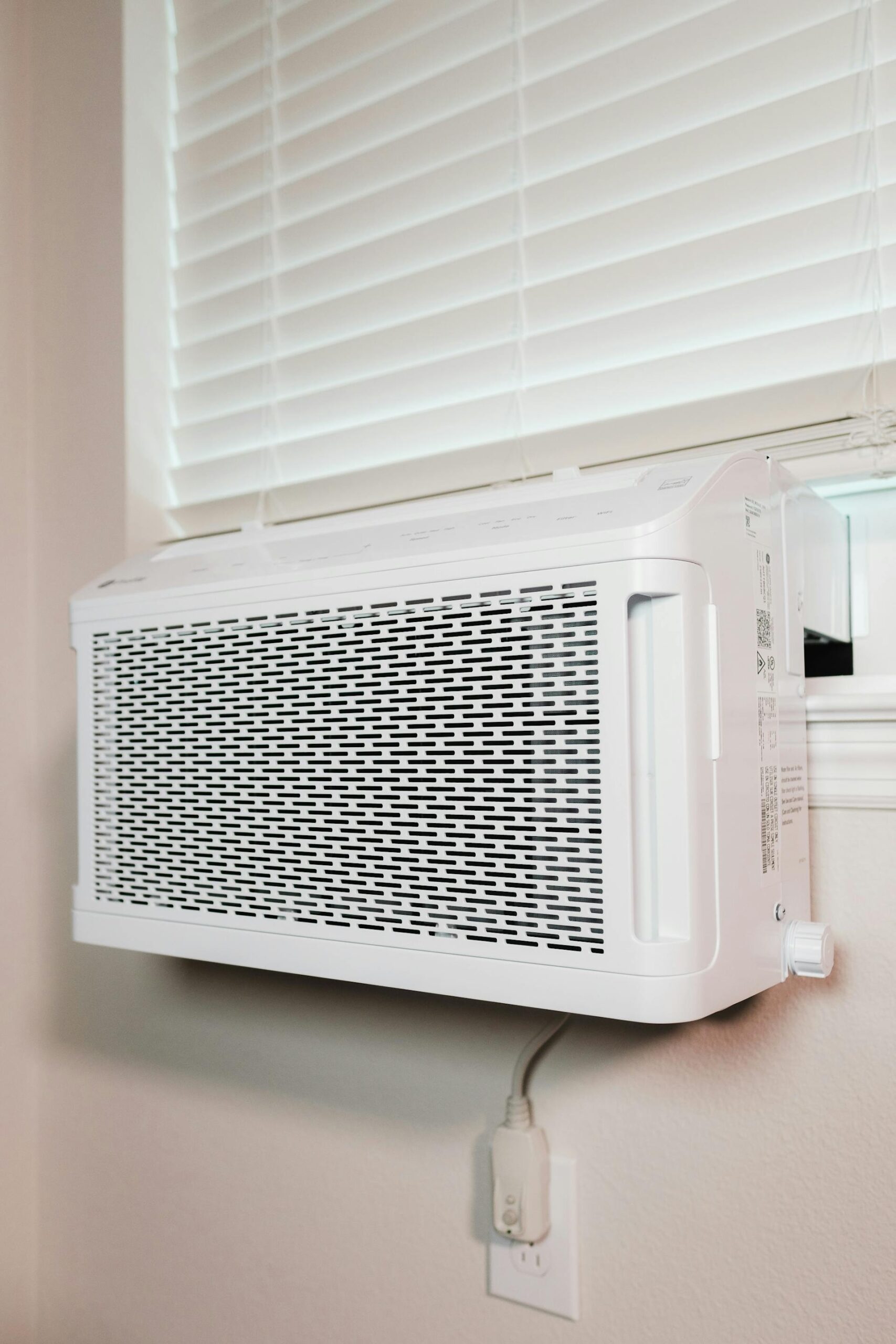
Air conditioning and heating systems are a lifeline for comfortable living, whether during scorching summers or chilly winters. While many homeowners pay attention to temperature settings, energy bills, and seasonal tune-ups, one critical component is often overlooked—the air filter. HVAC companies consistently remind customers about timely filter changes because the impact goes far beyond clean air. Filters affect energy efficiency, indoor air quality, system longevity, and even household health. We will explore why this seemingly small step has such a large influence and why skipping it can result in avoidable issues down the line.
The Overlooked Value of Air Filters in Everyday Comfort
- Energy Efficiency and Utility Costs
One of the main reasons a professional HVAC company in Peoria emphasizes filter changes is their direct link to energy efficiency. When air filters become clogged with dust, pollen, and other airborne particles, airflow is restricted. This forces the system to work harder to maintain desired temperatures, consuming more electricity or gas in the process. As energy usage rises, so do utility bills, which can put unnecessary strain on household budgets. Regularly replacing filters keeps air flowing freely, allowing systems to operate at their designed efficiency. Over time, these savings add up. For example, a clean filter can reduce energy consumption by up to 15 percent, which means lower monthly bills and less environmental impact. For homeowners mindful of costs, changing filters is one of the simplest and most affordable ways to reduce expenses while maintaining consistent comfort.
- Indoor Air Quality and Family Health
Another reason HVAC professionals stress filter changes is the connection to indoor air quality. The air circulating through ducts carries dust, pet dander, mold spores, and even bacteria if the filters are neglected. Over time, clogged filters lose their ability to trap these particles effectively, allowing them to recirculate into living spaces. This can worsen allergies, asthma, and respiratory conditions. For families with children or elderly members, the effects can be more noticeable and harmful.
A clean filter acts as a protective barrier, improving air quality and reducing exposure to contaminants. Fresh filters are particularly important in households with pets, smokers, or individuals with pre-existing health issues. Even for those without health concerns, clean filters reduce odors and keep the air fresher overall. By changing filters regularly, homeowners ensure that their systems not only regulate temperature but also contribute to healthier living environments.
- System Longevity and Fewer Repairs
HVAC companies also highlight filter changes because they directly influence system longevity. A clogged filter makes the system work harder, leading to extra wear and tear on components such as fans, coils, and compressors. Over time, this strain can cause parts to fail prematurely, resulting in costly repairs or even complete system breakdowns. Replacing a filter costs very little compared to replacing major equipment, making it one of the most cost-effective maintenance steps.
Regular filter changes also support consistent airflow, which helps keep components clean and reduces the buildup of dirt inside the system. When the interior of the HVAC unit remains clean, it requires fewer service calls and experiences fewer breakdowns. Ultimately, homeowners who stay on top of filter changes extend the lifespan of their investment, saving thousands of dollars that would otherwise be spent on repairs or early replacement.
- Consistent Comfort and Performance
Beyond cost savings and health benefits, HVAC companies remind customers about filters because they directly affect comfort levels. When airflow is restricted by a dirty filter, some rooms may feel warmer or cooler than others, leading to uneven temperatures throughout the home. This inconsistency forces homeowners to adjust thermostats frequently, which only compounds energy usage and stress on the system. A clean filter allows air to flow smoothly, ensuring that every room receives balanced heating or cooling.
In addition, a well-functioning system responds faster to thermostat adjustments, maintaining steady comfort even on days with extreme weather. For those working from home or spending significant time indoors, this consistency can greatly enhance quality of life. The comfort factor often goes unnoticed until problems arise, but with regular filter changes, homeowners can avoid the frustration of hot and cold spots within their living spaces.
- Environmental Responsibility and Sustainability
An often-overlooked aspect of filter maintenance is its role in environmental responsibility. When systems consume more energy due to clogged filters, the increased demand puts pressure on power plants, leading to higher emissions of greenhouse gases. By keeping filters clean, households reduce their carbon footprint and contribute to sustainability efforts. Additionally, using the right type of filter and replacing it on schedule prevents unnecessary waste from discarded, prematurely worn-out filters or damaged equipment.
HVAC companies increasingly remind homeowners of this responsibility because energy conservation is no longer just a matter of personal savings but also one of global impact. Each household that prioritizes regular filter changes helps reduce strain on the environment. For those conscious about eco-friendly living, this simple habit aligns with broader efforts to create a more sustainable future without sacrificing comfort or affordability.
Regular filter changes are more than just a routine chore—they are a cornerstone of efficient, healthy, and sustainable home comfort. HVAC companies stress this practice because it ties together multiple benefits: lower energy bills, cleaner indoor air, longer system life, consistent comfort, and environmental responsibility. While homeowners often focus on larger maintenance tasks, neglecting filters can undermine the entire system’s performance. By prioritizing this small step, families not only safeguard their investment but also create healthier, more efficient, and environmentally responsible living spaces.


