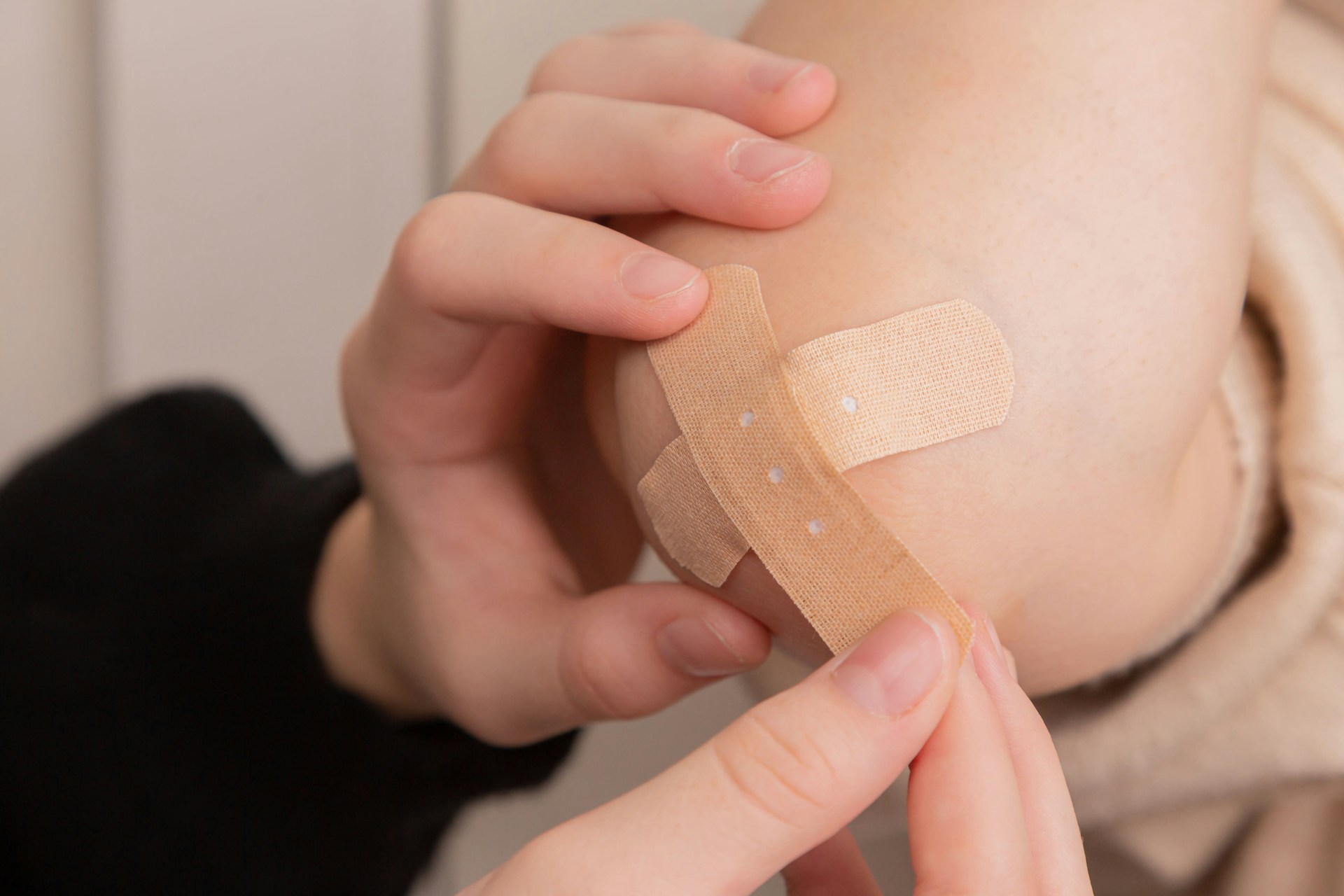
Living with a wound that won’t heal can be frustrating, painful, and concerning. While minor cuts and scrapes typically heal on their own within a week or two, chronic wounds require specialized attention. Understanding when to seek help from a wound care specialist can make the difference between prolonged suffering and effective healing. This guide will help you recognize the signs that it’s time to consult a professional for your persistent wound.
Table of Contents
What Defines a Chronic Wound
A chronic wound is any wound that hasn’t shown significant improvement after four weeks or hasn’t completely healed within eight weeks. These wounds often get stuck in the inflammatory phase of healing and fail to progress naturally. Common types include diabetic ulcers, pressure sores, venous leg ulcers, and arterial ulcers.
Chronic wounds affect millions of people worldwide and can significantly impact quality of life. They’re not just slow healers; they represent a breakdown in the body’s natural healing process that requires specialized intervention to restart the healing cycle.
Warning Signs That Demand Professional Attention
Several red flags indicate you should seek specialized wound care immediately. If your wound shows increasing redness, warmth, or swelling around the affected area, these could be signs of infection spreading beyond the wound site. Fever, chills, or feeling generally unwell alongside a wound also warrant urgent attention.
Other concerning symptoms include foul-smelling drainage, increased pain that doesn’t respond to over-the-counter pain relievers, or discharge that’s green, yellow, or cloudy. If you notice red streaks extending from the wound or the wound appears to be getting larger or deeper rather than healing, don’t wait to get help.
Risk Factors That Increase Your Need for Specialized Care
Certain medical conditions make it more likely you’ll need expert intervention for wound healing. Diabetes tops this list, as high blood sugar levels impair circulation and immune function, making even small wounds potentially serious. If you have diabetes and develop any wound on your feet or legs, consulting a specialist early is crucial.
Other conditions that compromise healing include peripheral artery disease, venous insufficiency, obesity, and autoimmune disorders. If you’re taking medications that suppress your immune system, such as steroids or chemotherapy drugs, you’re also at higher risk for healing complications. People with limited mobility who develop pressure sores should seek specialized care promptly.
When Home Treatment Isn’t Working
You’ve been diligently cleaning your wound, changing dressings, and following basic wound care principles, but nothing seems to help. This is a clear signal that it’s time to search for an expert wound care specialist near me. Home treatment works well for minor injuries, but chronic wounds often have underlying causes that need professional diagnosis and treatment.
If you’ve been treating a wound for more than two weeks without seeing noticeable improvement, don’t continue the same approach hoping for different results. Wound care specialists have access to advanced treatments and diagnostic tools that aren’t available for home use, including specialized dressings, negative pressure therapy, and bioengineered skin substitutes.
The Benefits of Specialized Wound Care
Wound care specialists bring expertise that goes far beyond basic first aid. They conduct comprehensive assessments to identify underlying factors preventing healing, such as poor circulation, infection, or nutritional deficiencies. This thorough approach addresses not just the wound itself but the reasons it developed and won’t heal.
These professionals have access to advanced treatment modalities including hyperbaric oxygen therapy, growth factor applications, and specialized compression systems. They also coordinate with your other healthcare providers to optimize your overall health for better healing outcomes. Many patients see significant improvement within weeks of starting specialized care after months of failed home treatment.
What to Expect During Your First Visit
Your initial appointment with a wound care specialist will involve a detailed medical history and thorough wound examination. The specialist will measure and photograph your wound, assess the surrounding tissue, and may order tests to evaluate circulation or check for infection. They’ll also review your medications and discuss factors in your lifestyle that might affect healing.
Based on this assessment, they’ll develop a personalized treatment plan that may include specialized dressings, debridement of dead tissue, infection management, and strategies to address underlying causes. Follow-up appointments allow them to monitor progress and adjust treatment as needed.
Taking the Next Step Toward Healing
Don’t let a chronic wound diminish your quality of life or lead to serious complications. The sooner you seek specialized care, the better your chances of achieving complete healing and preventing long-term problems. If you’re experiencing any of the warning signs discussed or have risk factors that complicate healing, reaching out to a wound care specialist is a proactive step toward recovery.
Remember that chronic wounds can lead to serious complications if left untreated, including bone infections, sepsis, or even amputation in severe cases. Taking action now by consulting a specialist can prevent these outcomes and get you back to living your life without the constant burden of a non-healing wound.

