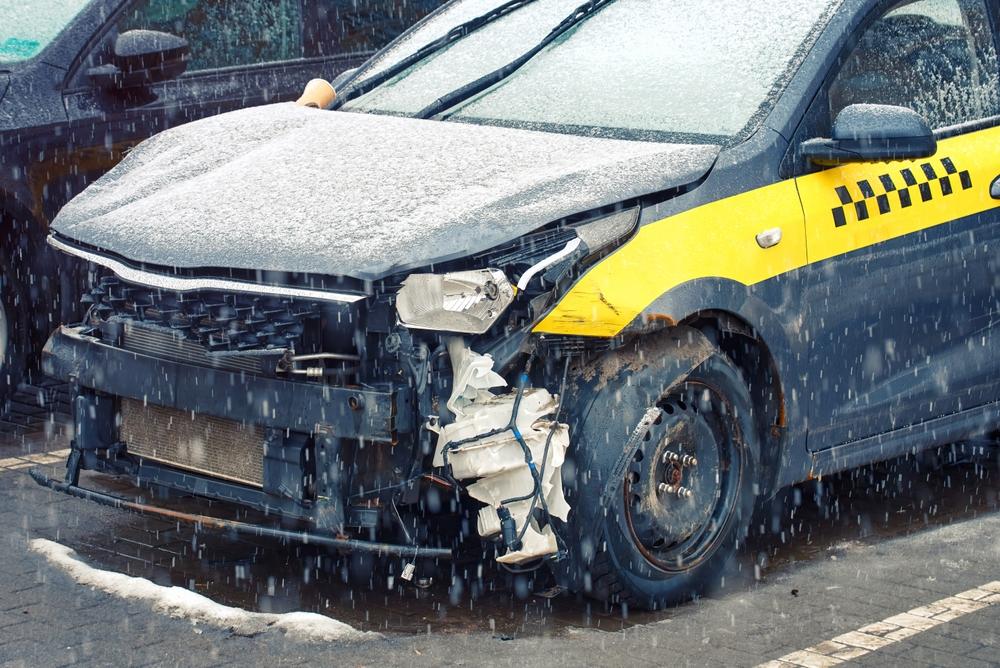
Rideshare accidents are legally different from standard car collisions. Liability depends on the driver’s app status, applicable insurance coverage, and the involvement of other parties. Uber crashes may trigger multiple layers of commercial and personal insurance, making responsibility less straightforward than in ordinary accidents.
After a serious Uber collision, identifying the correct source of compensation is critical. In many cases, consulting a lawyer for Uber accident injuries helps determine available claims and protect the right to recover damages.
Table of Contents
Why Uber Accidents Are Different
Uber drivers operate under a structure that separates the company from direct employment responsibility. Drivers are classified as independent contractors. That classification affects who pays and which insurance applies after a crash.
The key issue is the driver’s app status. If the driver was offline, only personal auto insurance may apply. If the driver was logged in and waiting for a ride request, limited commercial coverage may activate. If the driver had accepted a ride or was transporting a passenger, a higher level of commercial insurance usually applies.
Each stage creates a different legal situation. Even small timing details can affect which policy is responsible. This layered system is the reason Uber accident claims often require closer examination than standard vehicle collisions.
Filing a Claim Against the Uber Driver
One legal option is pursuing a claim directly against the Uber driver who caused the accident. If the driver was negligent, such as speeding or ignoring traffic rules, their insurance may be responsible for covering damages.
However, personal auto insurance policies often contain exclusions for commercial activity. Insurers may argue that coverage does not apply if the vehicle is being used for rideshare services. Disputes over coverage limits are common in serious injury cases.
Evidence becomes central in this stage. Crash reports, witness statements, vehicle damage assessments, and digital ride records help clarify responsibility. Establishing the driver’s exact status at the time of the crash is critical to determining which policy applies.
Pursuing Compensation Through Uber’s Insurance Coverage
Uber provides commercial insurance coverage that activates during certain phases of a ride. This coverage can offer higher policy limits than personal auto insurance, especially during active trips.
The structure generally includes:
- Limited liability coverage while the driver is logged in and waiting for a request.
- Increased liability coverage after a ride is accepted.
- Full commercial coverage while a passenger is in the vehicle.
- Uninsured or underinsured motorist coverage in some cases.
While these policies can provide substantial protection, they do not guarantee quick payment. Insurance companies often examine claims closely. They may challenge the extent of injuries, question medical treatment, or dispute fault.
Negotiating under commercial coverage often requires strong documentation. Medical records, proof of lost wages, and clear evidence of impact play an important role in determining settlement value.
Exploring Claims Against Other Responsible Parties
Uber accidents sometimes involve more than one negligent party. If another driver caused or contributed to the collision, a claim can be filed against that individual as well.
In multi-vehicle crashes, liability may be shared. Comparative fault principles may reduce compensation if responsibility is divided. Identifying every potentially liable party helps maximize available recovery.
In rare situations, other parties may also bear responsibility. A vehicle defect, poor maintenance, or unsafe roadway condition can create additional legal claims. Each new defendant adds complexity, but it can also increase the total insurance coverage available for serious injuries.
Limiting a case to one policy without examining all possibilities can result in incomplete compensation.
Filing a Personal Injury Lawsuit
If negotiations with insurance companies fail to produce fair compensation, filing a personal injury lawsuit becomes another legal option. Litigation allows a court to determine fault and damages.
A lawsuit may seek compensation for medical expenses, lost income, rehabilitation costs, pain and suffering, and long-term disability. Serious Uber collisions often result in financial losses that extend beyond immediate medical bills.
Legal deadlines apply to filing claims. Missing a statute of limitations deadline can permanently bar recovery. Court proceedings also allow for formal evidence gathering, including obtaining electronic ride data and company records that may not be accessible during informal negotiations.
Litigation is not always the first step, but it remains an important option when settlement discussions stall.
The Value of Early Legal Review
Uber accident claims move quickly. Insurance adjusters may request statements or medical authorizations early in the process. Providing information without proper review can create complications later.
Early legal evaluation helps preserve digital trip data and electronic records. It also ensures that communication with insurers is handled carefully and that deadlines are tracked. Serious injury cases benefit from an early strategy rather than reactive decisions.
Taking control early often prevents avoidable mistakes.
Final Thoughts
Uber collisions often involve multiple insurance policies and more than one potentially liable party. Coverage may depend on the driver’s app status and the specific facts of the crash.
Legal options may include filing a claim against the driver, pursuing compensation under the rideshare company’s policy, asserting a claim against another responsible party, or filing a lawsuit. Consulting a lawyer for Uber accident injuries can assist in identifying the appropriate course of action and protecting the right to recover damages.


