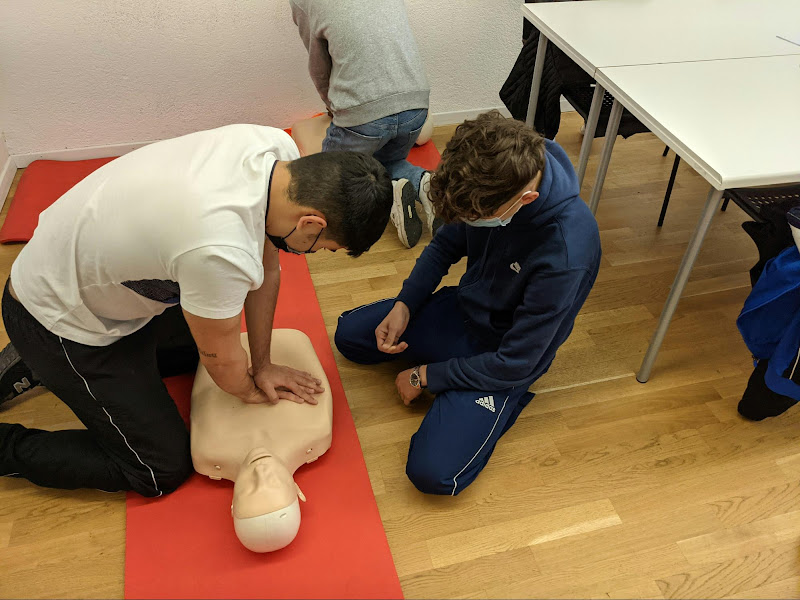
Cardiopulmonary resuscitation (CPR) is a critical skill that can differentiate between life and death in emergencies. With heart disease as a leading cause of death worldwide, the ability to perform CPR can save countless lives. Receiving proper training and obtaining a CPR certification ensures that individuals are prepared to act in crises with confidence and knowledge. Below, we explore the wide-ranging benefits of becoming CPR certified and how it can enhance both personal and professional aspects of one’s life.
The Impact of CPR Knowledge on Survival Rates and Medical Outcomes

Studies have repeatedly demonstrated that CPR, when administered immediately after cardiac arrest, can double or triple a person’s chances of survival. With every minute that passes without CPR, the likelihood of survival decreases by 7-10 percent. CPR knowledge holds immense value in improving long-term survival rates and potentially lessening the long-term effects of cardiac arrest.
Medical outcomes for cardiac arrest victims are significantly better when bystanders initiate CPR. Early intervention maintains blood flow to vital organs and can prevent irreversible brain damage. The skills learned from a credible CPR certification program equip individuals with the ability to provide efficient care that preserves the quality of life for patients.
Beyond the physical interventions, CPR training often includes emotional and psychological support for the patient and bystanders. This holistic approach can be pivotal in securing the survival and mental well-being of all those affected by the emergency.
With advancements in medical knowledge and continuous updates to CPR guidelines, trained individuals play a crucial role in implementing state-of-the-art practices. Their updated expertise ensures that patients receive the most effective care possible, given the circumstances, heightening the chances for positive outcomes.
The Importance of CPR Certification for Emergency Preparedness

The immediate availability of someone trained in CPR significantly increases the survival chances of individuals suffering from cardiac arrest. When the heart stops beating, every second counts, and the quick application of CPR can sustain life until professional medical help arrives. CPR certification provides the technical know-how and cultivates a sense of readiness to face such medical emergencies without hesitation.
CPR training covers a spectrum of scenarios, ensuring that certified individuals are versatile in their response capabilities. From workplaces to public spaces and homes, emergencies can occur anywhere, and being equipped with CPR skills makes one an invaluable asset to any environment. This preparedness is particularly critical in places where the density of the population or remoteness can delay the arrival of emergency services.
Moreover, CPR certification is not restricted to healthcare professionals. It’s designed for anyone willing to learn, making it accessible for communities to foster a culture of safety and immediate response. The certification process is comprehensive yet straightforward, often involving theoretical knowledge and practical, hands-on experience.
This blend of education is essential for developing the confidence required to act under pressure. When an emergency strikes, a CPR-certified individual is more likely to remember their training and step forward, a key factor in improving the odds of survival for the victim.
How CPR Certification Empowers Individuals and Communities
CPR certification does more than prepare individuals to save lives; it empowers them with a sense of autonomy and responsibility. Knowing how to respond effectively in an emergency instills confidence and encourages active participation in the safety and well-being of those around them. This empowerment can foster a greater sense of community as certified individuals become stewards of public health.
Communities with more CPR-certified residents are better equipped to sustain life in critical moments before professional help arrives. Collective knowledge of CPR and emergency response can transform a community’s ability to handle crises, potentially reducing fatalities related to sudden cardiac events and other emergencies.
CPR certification can also lead to community-driven initiatives like free training workshops, public access to AEDs, and school educational programs. Such efforts increase awareness and readiness, promoting a society where people are inclined to help others in distress.
In this collective effort, the actual value of CPR certification is realized – an integrative approach to public health and safety that transcends individual achievements. Empowered by their training, certified members of the community act as both guardians and educators, perpetuating a culture of preparedness and care.
Overall, CPR certification equips individuals with the life-saving skills and confidence needed to respond effectively in emergencies, significantly improving survival rates. By fostering a culture of preparedness and community responsibility, widespread CPR training enhances public safety and strengthens collective resilience in crisis.


