You paid for the booth. It probably wasn’t cheap. Now you’re standing in a hall with a few hundred other companies, all of them chasing the same tired, over-caffeinated attendees. This is where trade show branding stops being a line item and starts deciding whether anyone remembers you after the show.
Here’s the uncomfortable part. Most booths look identical. Same pop-up banner, same folding table, same bowl of mints nobody asked for. Blending in is the default setting. You have to work not to.
Table of Contents
Nobody Has Time for Your Booth
Three hours in, attendees are tired, their feet hurt, and they’ve already collected more flyers than they’ll ever read. They’re not strolling. They’re scanning, and they’ve gotten good at walking past things that don’t grab them in a second or two.
So the bar isn’t “be interesting once someone stops.” The bar is getting them to stop at all. That happens before a single word is spoken, based entirely on what your booth looks like from a few feet away.
The Crowd Is Better Than It Looks
This is the part that makes the effort worth it. The person half-ignoring your booth might be exactly who you want. Industry research summarized by Trade Show News Network reports that approximately 81% of trade show attendees have buying authority, and that the average attendee spends around 8.3 hours viewing exhibits across a show. So four out of five people wandering the aisles can make a purchase decision.
That changes the math. You’re not decorating for foot traffic. You’re trying to catch the eye of a room full of people who came specifically to find something. Your branding is what convinces them your display is worth a closer look.
Say One Thing, and Say It Big
The most common mistake is cramming your entire company onto a banner. Nobody reads a paragraph from ten feet away while holding a coffee and a tote bag. Pick one clear message and make it readable from across the aisle.
Think about what a stranger needs to know in the half-second before they decide to slow down. Not your mission statement. The problem you solve, in plain words. And put your name somewhere obvious, because a surprising number of booths forget that part entirely.
Keep the headline short. The rest of the conversation can happen once they’ve stopped walking.
Where Your Brand Actually Lives
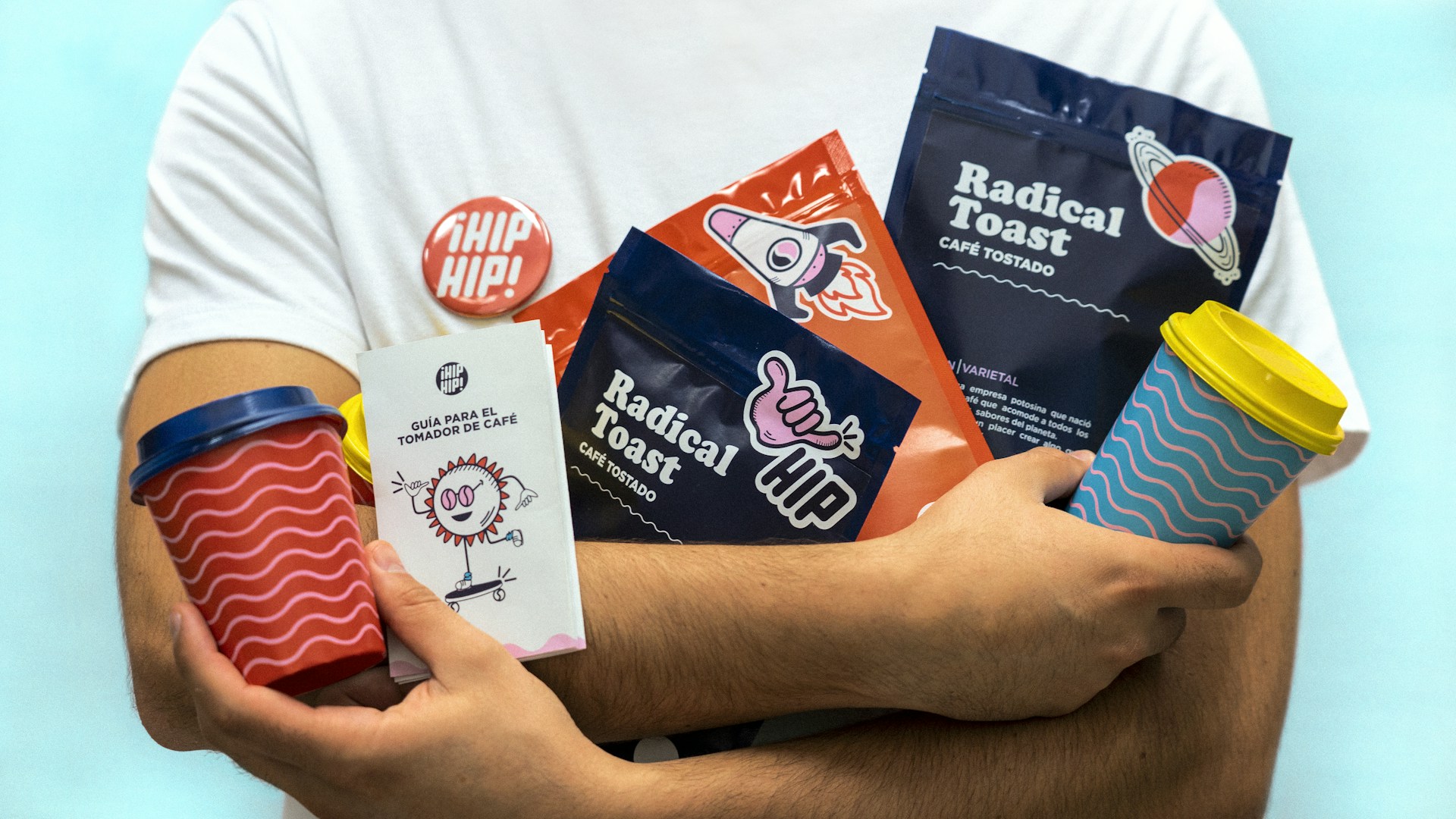
Your brand isn’t the logo file sitting on your laptop. On the show floor it’s physical. It’s the banner behind you, the cloth on the table, the lanyard around every visitor’s neck, the badge, the small thing you hand people on their way out. All of it is working whether you planned it or not.
That’s the stuff worth getting right, which usually means having your branded materials for trade shows and conferences produced by someone who does it for a living. A clean, professionally produced banner, table cover, or custom sticker quietly signals that your company pays attention to detail. Blurry graphics or washed-out colors suggest the opposite, and people pick up on it faster than you’d expect.
A rough list of what tends to pull its weight:
- A large-format banner with your name and one line, readable from a distance
- A fitted table cover in your brand colors, not a spare bedsheet
- Lanyards and badges that put your logo on everyone who stops by
- Stickers or small giveaways people want to keep
None of it is complicated. It just has to look deliberate instead of thrown together the night before.
Giveaways People Don’t Throw Away
Free stuff works, but only the kind that survives the trip home. PPAI research has consistently found that recipients keep promotional products for months or longer, which helps brands stay visible well after an event ends. That’s the entire point: an object that sticks around and keeps your name in someone’s week.
The trick is usefulness. A sticker that lands on a laptop or water bottle can provide repeated brand exposure for months. A flimsy pen that gives out in a week does nothing at all.
Fewer, better items beat a bin full of junk every time. So don’t measure success by how much you gave away. Measure it by how much is still in use come spring.
Your People Are Part of the Branding
Materials get people to the edge of the booth. The humans standing in it decide what happens next. A team slumped in chairs, staring at phones, undoes every dollar you spent on signage.
Matching shirts help more than you’d think, even something plain with a logo. It reads as organized, and it makes your staff easy to spot in a crowd. Beyond that, just have someone standing, awake, and ready to say hello. Low bar, and yet plenty of booths miss it.
The strongest booths rarely have the biggest budgets. What they get right is consistency: every visual element feels like it belongs to the same company, from the banner to the giveaways to what the staff is wearing.
The Part Almost Everyone Skips
You can have the sharpest booth in the hall and still waste it. Strong branding earns the glance and the conversation. It doesn’t close anything by itself.
Capture the lead while the person is right in front of you. A badge scan, a quick form, a card dropped into a specific pile, whatever fits how you work. Then reach out within a day or two, while they still remember your face and not just the swag. Most exhibitors let those warm leads go cold, which is quietly great news for anyone who doesn’t.
Trade show branding is a chain. The booth earns a look, the materials earn a conversation, the follow-up earns the deal. Drop any link and the whole thing sags. Line all three up, and a small brand can walk out of a show having punched well above what it paid to be there.


