Have you ever wondered how buildings can be made without harming the planet? As more people focus on protecting the environment, the construction industry is changing too. Traditional building methods often waste resources and produce a lot of pollution. But today, builders and homeowners are turning to eco-friendly alternatives. These options are better for nature and often save money in the long run.
In this blog, we will share the latest trends and ideas that are making construction more sustainable.
Table of Contents
Why Eco-Friendly Construction Matters Today
Eco-friendly construction is more important now than ever. Buildings use a lot of energy and materials. Traditional construction methods can harm the land, water, and air. They often involve cutting down trees and using materials that take a lot of energy to produce. This adds to pollution and climate change. On top of that, waste from construction ends up in landfills, adding even more stress to the environment.
Sustainable building helps reduce these harmful effects. It focuses on using materials that are recycled, non-toxic, and energy-efficient. Builders now choose to work with designs that lower electricity use, reduce water waste, and last longer. As climate concerns grow and resources become limited, using greener building methods helps protect the planet for future generations. It’s a smart and responsible way to create homes, offices, and other spaces.
Recycled Materials Make a Big Impact
One of the biggest trends in eco-friendly construction is using recycled or repurposed materials. Instead of cutting down new trees or mining fresh resources, builders are turning to things that already exist. Wood from old barns, bricks from demolished buildings, and even old glass can be cleaned up and reused. This helps save energy, reduces waste, and gives buildings a unique look.
An exciting part of this trend is the use of shipping containers for homes and offices. There are many shipping containers for sale that can be turned into strong, long-lasting structures. Keystone Containers, for example, offers containers that can be adapted for many uses. These containers are affordable, durable, and reduce the need for traditional building materials. They are especially popular for eco-conscious homeowners and businesses looking for smart, green solutions. Reusing containers not only cuts down on waste but also speeds up the building process.
Tiny Homes and Minimalist Living
Tiny homes are becoming a popular, eco-friendly choice. These small houses use fewer materials to build and less energy to live in. People who live in tiny homes often find they spend less money and waste fewer resources. Because the space is smaller, it takes less energy to heat or cool. This lowers utility bills and cuts down on energy use.
The minimalist lifestyle that often comes with tiny home living also helps the environment. It encourages people to buy fewer things, reuse what they have, and live more simply. Many tiny homes also include solar panels, composting toilets, and rainwater collection systems. All of these help reduce the home’s impact on the planet. For people looking to live in a more eco-conscious way, tiny homes are a smart and creative choice.
Green Roofs and Living Walls
Green roofs and living walls are turning plain buildings into natural environments. A green roof is covered with soil and plants. It helps reduce heat, traps rainwater, and adds insulation to a building. This can lower cooling and heating costs over time. Green roofs also provide a space for bees, birds, and other wildlife in city areas.
Living walls, which are walls covered in plants, work in a similar way. They help clean the air and cool down buildings. These walls are often used inside or outside offices, schools, and homes. They look beautiful and improve air quality at the same time. Both green roofs and living walls are perfect examples of how buildings can work with nature instead of against it.
Using Renewable Energy in Building Design
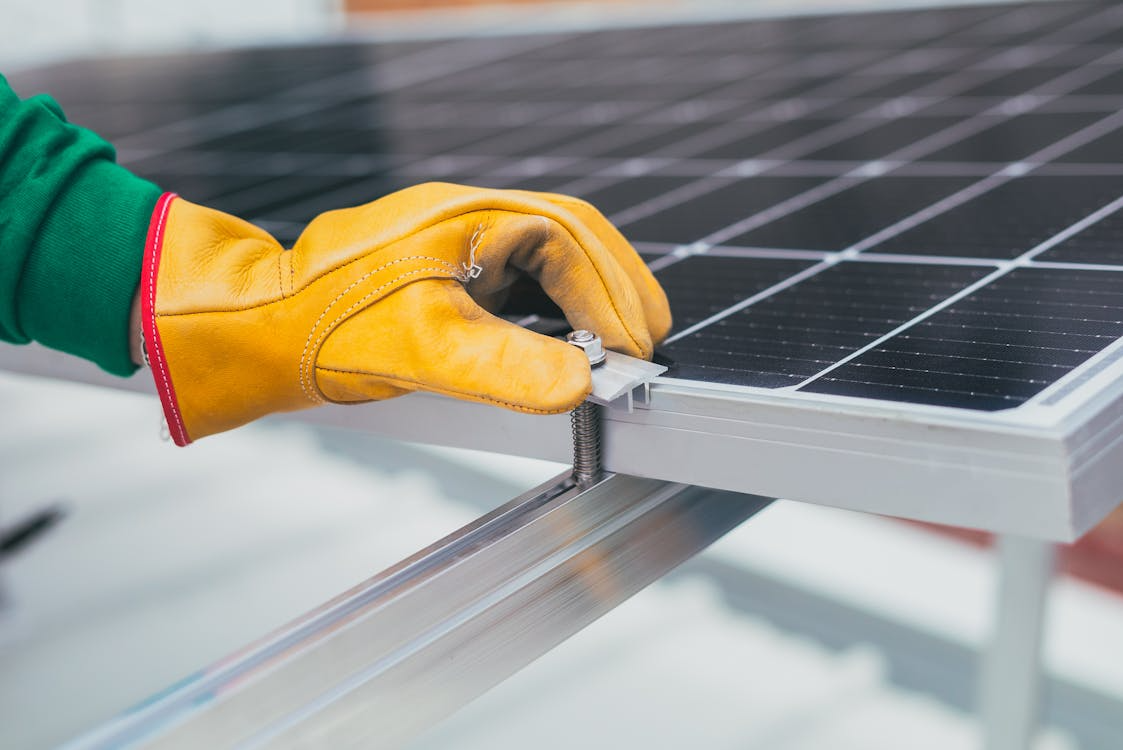
Solar panels are a key part of many eco-friendly buildings. They use the sun’s energy to power lights, appliances, and heating systems. Installing solar panels during construction makes homes more energy-efficient from the start. Wind turbines are also used in some places where the wind can produce steady energy. These systems help reduce the need for electricity from power plants that burn fossil fuels.
Builders are also using energy-smart designs. They place windows and doors in ways that let in natural light and air. This lowers the need for lights and air conditioning. Some buildings even use geothermal systems to control temperature using the heat from the earth. These choices help the planet and can save money in the long run. As energy prices rise, using renewable energy makes even more sense.
Better Insulation and Efficient Materials
Good insulation is a major part of green construction. It helps keep heat in during winter and keeps heat out in summer. This means heating and cooling systems don’t have to work as hard, saving energy and lowering bills. Many eco-buildings use materials like recycled denim, sheep’s wool, or plant-based foam for insulation. These options are safer for the planet and for people living in the home.
Efficient materials also include smart windows, which help block heat and UV rays. Builders may use recycled steel or bamboo instead of traditional wood. These choices help buildings last longer and lower their impact on the environment. When materials work well and last a long time, there’s less need for repairs or replacements, which cuts down on waste.
Water Conservation Through Smart Design
Saving water is another important part of eco-friendly construction. New buildings can include systems that collect rainwater for use in toilets, gardens, or even laundry. This reduces the demand for water from the main supply and can help during droughts. Homes may also use low-flow toilets and faucets that use much less water than older versions.
Landscaping plays a role too. Eco-friendly builders often choose native plants that need less water and care. Some homes use “gray water” systems, which clean and reuse water from sinks and showers. These systems cut down on waste and help make the most of every drop. Together, these smart designs help protect our planet’s precious water supply.
In conclusion, eco-friendly construction is more than just a trend—it’s a necessary change in how we build for the future. As more people understand the impact of traditional methods, they are choosing smarter, greener ways to build. From shipping containers and tiny homes to solar panels and green roofs, the options are growing every day. This shift not only helps protect the planet, but it also creates healthier spaces for people to live and work. Thinking about how we build today helps create a better tomorrow. Whether you’re a builder, a homeowner, or someone planning a new project, the time to think green is now.

