Pool maintenance has always been a service business built around repetition. A technician visits the property, skims the surface, vacuums the pool, brushes the walls, tests the water, checks baskets, looks at the equipment, and moves on to the next stop.
Smart home robotics are shifting part of the work from pure manual labor to managed automation. Homeowners can now buy devices that handle some of the physical cleaning tasks that once required a service visit or a long weekend chore. For pool businesses, that creates both pressure and opportunity.
The companies that adapt will not compete only on who can vacuum a pool. They will compete on who can build the best system around cleaning, water care, equipment health, customer communication, and long term reliability.
Table of Contents
Pool Maintenance Is Moving Toward Managed Automation
The old pool service model was simple. Customers paid for hands-on labor because they did not want to manage the pool themselves. That still has value, especially for water chemistry, equipment inspection, seasonal service, and repairs.
What is changing is the low-margin physical cleaning layer. Robots can collect routine debris more often than a weekly visit. They can handle some floor, wall, surface, and waterline cleaning between service days. They can also help homeowners respond faster after storms, parties, or heavy pool use.
For service companies, this does not mean robots replace the business. It means the business moves up the value chain. Instead of selling only weekly vacuuming, a company can sell equipment guidance, installation support, app setup, water care plans, filter maintenance, repair, troubleshooting, and seasonal service.
Automation reduces some repetitive labor. It also creates new reasons for customers to need expert help.
Consumers Are Ready for Pool Robots
Homeowners are already comfortable with home automation. Robot vacuums clean floors. Smart thermostats manage temperature. Security cameras send alerts. Irrigation systems can adjust schedules. A pool robot now feels like a natural extension of that trend.
The demand is practical. Busy homeowners want time back. Second-home owners want a cleaner pool when they arrive. Vacation rental owners want fewer guest complaints. Tech-friendly buyers want devices they can run with less setup and more predictable results.
Cordless design, smarter movement, and app features make these products easier to understand. A pool robot is no longer just a strange machine moving underwater. It is becoming part of the smart home ecosystem.
Still, consumers are not buying a full pool service replacement. They are buying help with the repeated physical cleaning tasks that are easy to delay.
What Robots Can Take Over in the Service Workflow
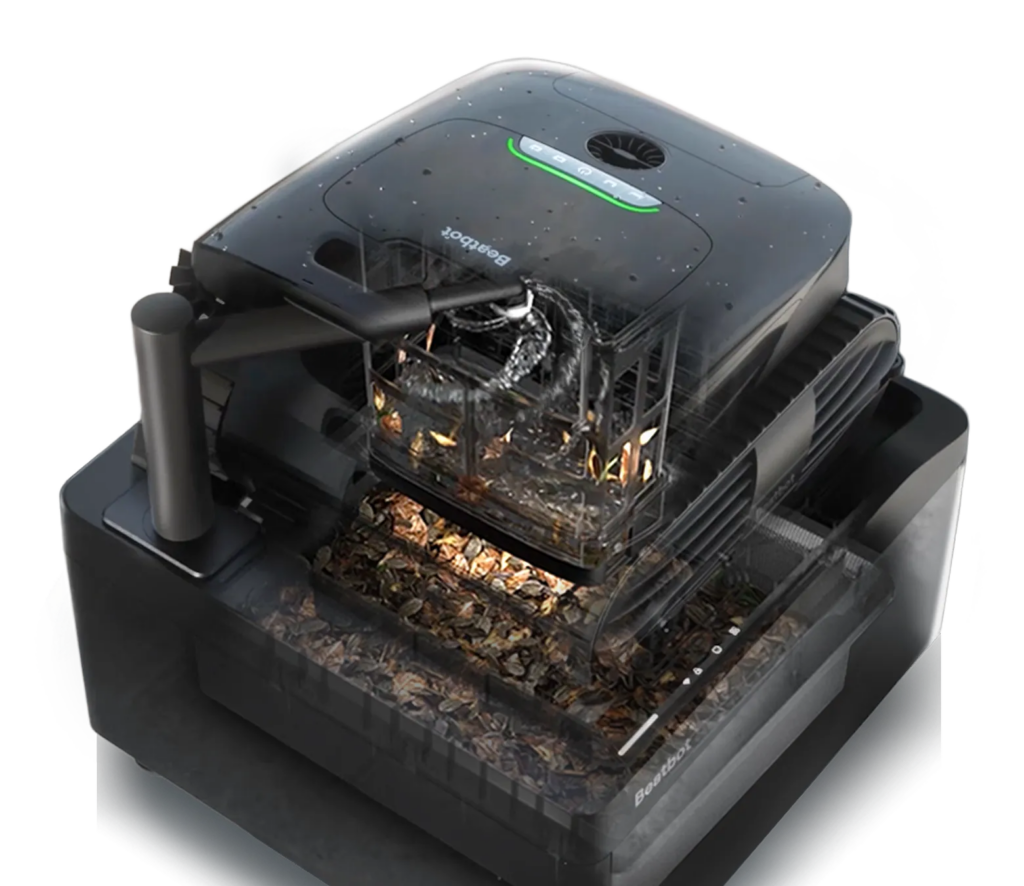
Robots are best at the repeatable work. They can collect leaves, pollen, bugs, sand, fine dirt, and other small debris before it becomes a larger cleanup problem. That is useful because debris does not wait for a weekly service route.
This is where the business impact begins. If a homeowner is comparing the best pool vacuum cleaner, the purchase decision is not only about cleaning the pool once. It is about reducing the need for emergency catch-up cleaning between visits.
Higher-end robots can also reduce some manual brushing and vacuuming. Floor, wall, surface, and waterline coverage can make the pool look ready more often, which matters for families, rental properties, and hospitality settings.
After a storm, party, or guest checkout, a robot can run before the technician arrives. That changes the service visit. The professional can spend more time on water testing, filter checks, equipment issues, and diagnosis instead of starting with basic debris removal.
Service Companies Can Adapt Instead of Compete
Pool service companies do not have to treat robotics as an enemy. They can treat robotics as part of a new service model.
A smart pool business can help customers choose the right robotic cleaner, install and configure the device, explain the app, train the homeowner, and build a maintenance plan around it. That plan may include chemical balancing, filter cleaning, basket care, equipment inspection, seasonal startup, winterization, and repair.
This can also help with labor problems. Repetitive physical cleaning can be tiring and time-consuming. If robots handle more of that work, technicians can focus on higher-value service. That can improve route efficiency and make each visit more profitable.
Vacation rentals, small hotels, HOAs, and premium residential clients may also need fleet management. A service company could manage multiple robotic cleaners, maintain them, clean filters, replace parts, and monitor when human service is required.
The opportunity is not just cleaning. It is managed pool care.
Beatbot AquaSense X Shows Where Premium Automation Is Heading
Beatbot AquaSense X is a useful case study for how smart robotics can reshape the economics of pool maintenance. Its value is not only that it cleans a pool. It reduces the work that often happens after the cleaning cycle, which is one reason pool care can remain labor intensive even when the pool has already been vacuumed or skimmed.
Beatbot positions AquaSense X as a premium AI robotic pool cleaner with AI detection, multiple cleaning modes, full pool cleaning, and a self emptying cleaning system. The AquaSense X system is designed to reduce post cleaning handling by combining robotic cleaning with station based rinsing, debris collection, and recharging. For homeowners, that means less hands-on cleanup after a cycle. For pool businesses, it creates a different sales conversation. A company can explain how premium automation changes routine cleaning, what still requires professional care, and how to build a maintenance plan around the device.
Instead of selling only weekly vacuuming, the business can sell technology selection, setup, homeowner training, ongoing maintenance, water-care expertise, and troubleshooting around robotic systems. That is why AquaSense X matters to the business side. It shows that pool robotics is becoming part of a service platform, not just a single cleaning device.
Even premium robotics cannot replace sanitizer testing, pH and alkalinity control, main filter maintenance, large debris removal, safety supervision, leak repair, pump repair, or professional diagnosis for algae, stains, cloudy water, and equipment faults.
New Business Models Around Smart Pool Robotics

The next wave of pool maintenance businesses may look different from traditional route services. Some companies may offer robot-as-a-service plans for vacation rentals, boutique hotels, or communities that want cleaner pools without buying every device outright.
Others may build premium maintenance plans that combine robotic cleaning with weekly water testing, filter cleaning, equipment checks, and seasonal service. Retail partnerships may also grow, where service companies recommend devices, earn affiliate revenue, and provide setup support.
Subscription opportunities may appear around robot filters, replacement baskets, clarifier products, cleaning accessories, and scheduled maintenance kits. Customer portals and app-based reminders can also help companies tell clients when to clean baskets, rinse filters, schedule service, or address equipment warnings.
For businesses comparing the best robotic pool cleaners, the question is not only which device cleans best. The bigger question is which product can fit into a profitable service model.
Human Expertise Still Matters
Robots can reduce physical cleaning, but they cannot replace judgment. Water chemistry still requires testing and interpretation. Poor circulation, clogged filters, pump problems, heater faults, leaks, stains, scale, metal issues, algae, and persistent cloudy water need human diagnosis.
Safety also stays human. Barriers, covers, drains, supervision, and code-aware planning are not automated by a cleaning robot. Large branches, rocks, toys, towels, and sharp objects still need manual removal before any cleaner runs.
This is good news for service professionals. Smart tools do not make expert labor irrelevant. They make expert labor more focused.
Pool Businesses Will Compete on Systems
Smart home robotics are changing pool maintenance by turning routine physical cleaning into a technology layer. That does not end the service business. It changes what customers expect from it.
Homeowners will want convenience, fewer emergency cleanups, clearer communication, and reliable advice. Rental operators will want predictable pool readiness. Premium clients will expect the robot, app, water care, and service plan to work together.
The future pool maintenance business will not compete only on labor hours. It will compete on systems. The winners will combine robotic cleaning, water chemistry, equipment care, customer education, and professional troubleshooting into one reliable service experience.
Smart home robotics make the pool easier to clean. Human expertise makes the pool safer, healthier, and better managed over time.


