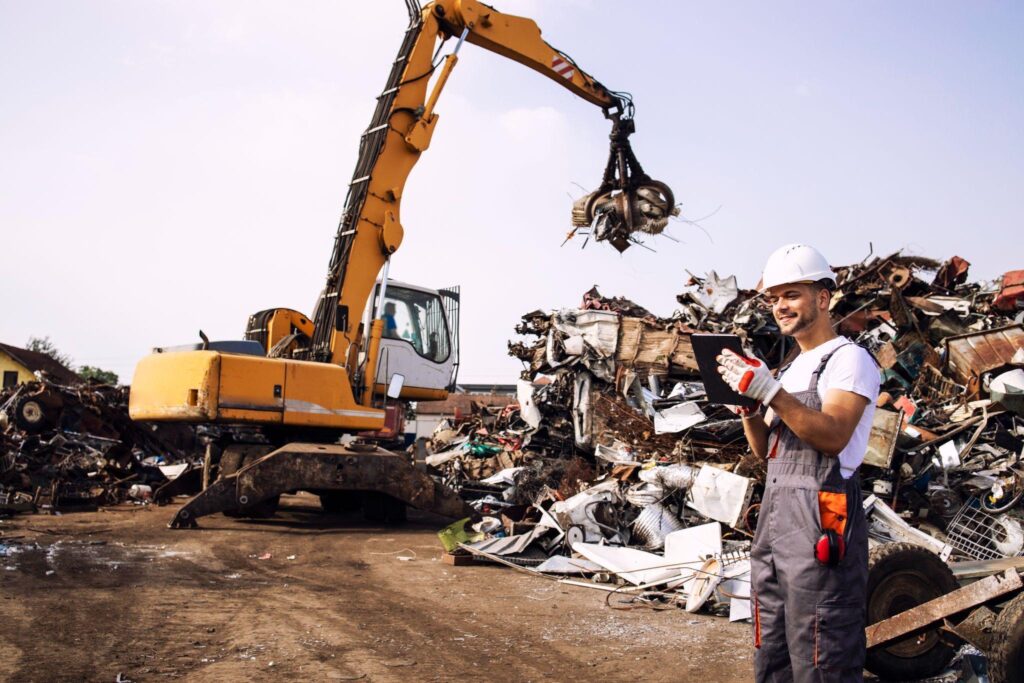
Most small business owners track every dollar that comes in and goes out. Yet many overlook one source of value that sits in their workshop, job site or storage room: scrap metal. Offcuts, old equipment, worn parts and leftover wiring are often tossed in the garbage or left to pile up in a corner.
That metal has real market value. With a simple system in place, businesses can turn it into extra revenue, reduce disposal costs and strengthen their sustainability story at the same time.
Table of Contents
Why Scrap Metal Deserves a Place on Your Balance Sheet
Scrap metal is not just waste. It is a traded commodity. The U.S. Geological Survey tracks iron and steel scrap as a major material in its own right, reflecting how central recycled metal is to modern steelmaking.
Because metal can be melted down and reused repeatedly without losing its core properties, demand for good quality scrap stays steady. Prices move with global markets, but for businesses that generate metal regularly, the value adds up over a year.
Businesses That Generate the Most Scrap
Construction and Renovation
Demolition and renovation projects produce steel studs, rebar, copper pipe, aluminum siding and old fixtures. Separating these materials on site can offset disposal fees and bring in extra income.
Auto Repair
Mechanics regularly replace brake rotors, exhaust systems, radiators and other metal components. Catalytic converters and batteries require special handling, but many parts can be recycled for value.
Manufacturing and Fabrication
Machine shops and fabricators create a constant stream of offcuts, shavings and rejected parts. Because these materials are often clean and consistent, they can be especially valuable.
Trades and Service Businesses
HVAC technicians, plumbers and electricians remove old units, piping and wiring every week. Copper and brass, in particular, are among the more valuable metals a service business can collect.
Offices and Retail
Even businesses without workshops accumulate metal in the form of old filing cabinets, shelving, fixtures and retired equipment.
How to Set Up a Simple Scrap Program
You do not need a large operation to benefit. A few basic habits make scrap recycling efficient and profitable.
Separate Ferrous and Non-Ferrous Metals
Ferrous metals such as steel and iron contain iron and are usually magnetic. Non-ferrous metals such as copper, aluminum and brass are not magnetic and typically command higher prices. Stainless steel is a special case: it contains iron but is often non-magnetic, so yards usually price it separately. A simple magnet test helps staff sort most materials quickly.
Keep Materials Clean
Scrap yards usually pay more for clean metal. Removing plastic, insulation, dirt and attachments where practical can increase the value of each load.
Designate a Storage Area
Set aside labeled bins or a corner of the shop for each type of metal. This keeps the workspace tidy and makes it easy to see when it is time for a drop off.
Track What You Collect
Keep a basic record of what you recycle and what you are paid. Over time, this helps you understand the value of your scrap and supports sustainability reporting.
The Environmental and Reputational Upside
Recycling metal keeps usable material out of landfills and reduces the need for new mining. The U.S. Environmental Protection Agency tracks the generation and recycling of ferrous metals across products such as appliances, vehicles and packaging, highlighting how significant metal recycling is in managing waste.
For small businesses, this matters beyond the environment. Customers, partners and employees increasingly value companies that take sustainability seriously. A documented recycling program is a credible, practical way to show that commitment.
Choosing the Right Recycling Partner
The partner you choose affects both your revenue and your peace of mind. Look for a scrap yard that is properly licensed, uses certified scales, explains its pricing clearly and accepts the types of metal your business produces. Ask whether they offer bins or pickup for larger volumes and whether they provide receipts for your records.
Businesses in the Greater Toronto Area, for example, can recycle with Canada Iron, a scrap yard that buys ferrous and non-ferrous metals from businesses and individuals. Working with an established local yard makes it easier to build a regular routine and get fair value for your material.
Small Changes, Real Returns
Scrap metal will not replace your core revenue, but it can become a steady, reliable contributor. Sorting metal properly, storing it efficiently and partnering with a trustworthy recycler takes little effort once the system is in place. The result is a cleaner workspace, lower disposal costs, a stronger sustainability story and a little extra money back into your business.


