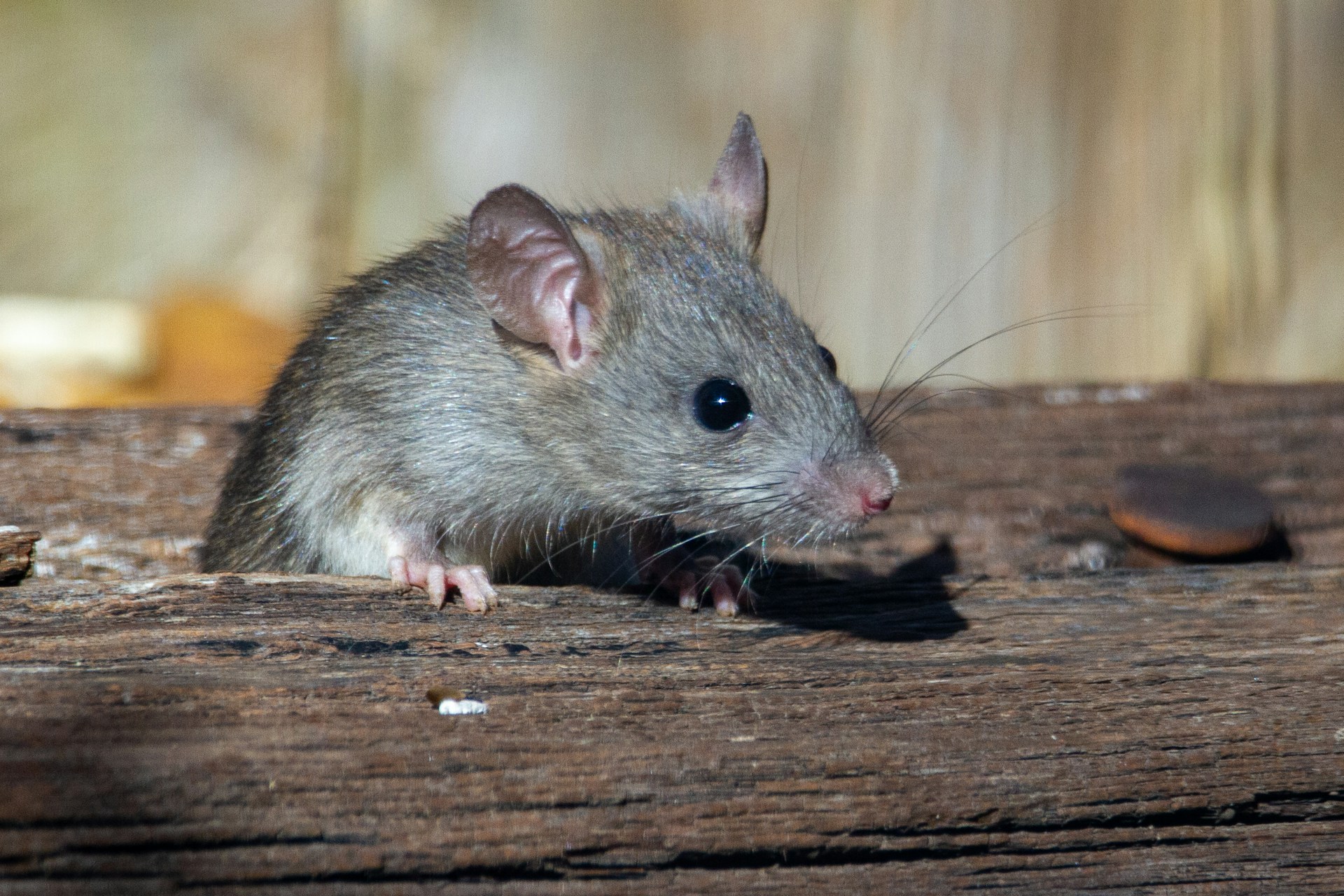
Many homeowners experience the same unsettling situation. Late at night, scratching, scurrying, or light thumping noises can be heard above the ceiling, yet there are no signs of rodents elsewhere in the home. The walls remain quiet, there are no droppings in cupboards, and living areas appear unaffected.
Because the activity seems confined to the roof cavity, it is easy to assume the problem is relatively contained. However, roof infestations rarely stay isolated forever. Rats are naturally curious and constantly search for food, water, shelter, and new nesting opportunities. What begins as a roof problem can gradually spread to other parts of the property if conditions allow.
Table of Contents
Why Rats Prefer Roof Spaces First
Roof cavities provide many of the conditions rats seek when entering a property. These spaces are generally warm, sheltered from weather, protected from predators, and rarely disturbed by human activity. Insulation materials can also provide comfortable nesting material, while roof structures offer countless hiding spots.
Roof rats, in particular, are skilled climbers and often access homes through roof gaps, damaged tiles, utility penetrations, vents, or nearby vegetation. Once inside, the roof space becomes an attractive location to establish a nest before exploring other areas of the building. From a rodent’s perspective, the roof cavity offers safety and seclusion while still providing access to the rest of the structure when needed.
How Rats Eventually Move Beyond the Roof
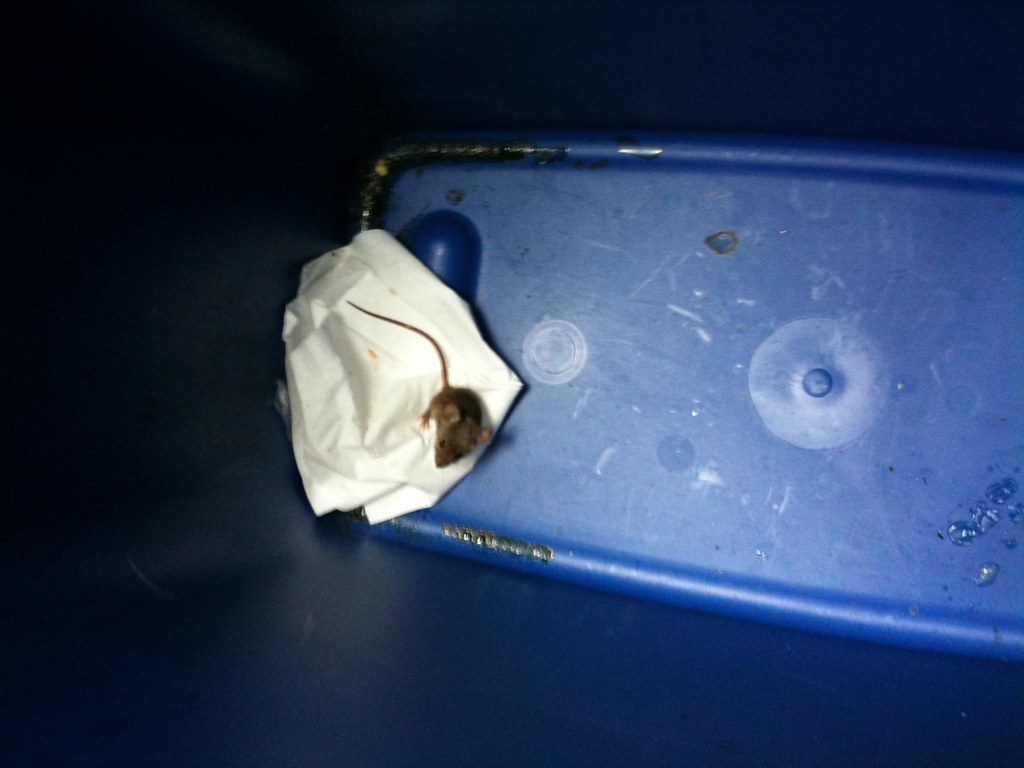
Although roof spaces are attractive nesting locations, rats rarely remain in one area indefinitely. As populations grow, rodents begin searching for additional resources and alternative routes throughout the property.
Food is often the primary motivator. Kitchen areas, pantries, pet food storage, and rubbish bins can attract rodents further into the home. Water sources such as plumbing lines and condensation around pipes may also encourage movement into wall cavities and internal voids.
Rats frequently use hidden pathways, including wall cavities, ducting, ceiling voids, service penetrations, and plumbing channels, to expand their territory. These concealed routes allow them to travel through a home without being easily detected.
Why Entry Points Inside the Home Matter
Many homes contain small openings that unintentionally create highways for rodents. Gaps around plumbing pipes, electrical cables, exhaust fans, air-conditioning penetrations, and utility services often connect the roof cavity to lower sections of the building.
Even openings that appear insignificant can provide enough space for a rat to pass through. Once these internal pathways are discovered, rodents can move between ceilings, walls, garages, storage areas, and eventually living spaces.
Signs They May Already Be Moving Down
The first indication that rats are expanding beyond the roof is often a change in the location or timing of noises. Scratching sounds that were once only overhead may begin occurring inside walls or around lower sections of the property.
Other warning signs can include droppings appearing in garages, storage rooms, cupboards, or near food storage areas. Gnaw marks on stored items, packaging, cables, or timber may also indicate increased activity. An unusual musty or ammonia-like smell from hidden areas can signal growing rodent presence within wall cavities. When these signs appear, the infestation may no longer be limited to the roof space.
Why Homeowners Often Delay Action
One reason roof infestations persist is that they can seem relatively harmless in the early stages. Since the rodents remain out of sight and the noises stay above the ceiling, many people assume the issue is minor.
The absence of visible damage often creates a false sense of security. Homeowners may believe the rats will remain confined to the roof indefinitely or eventually leave on their own. Unfortunately, rodent populations can increase quickly once nesting begins, making future control more difficult.
Why Waiting Can Create Bigger Problems
Allowing rats to remain on the roof for extended periods can increase the likelihood of property damage. As they expand their territory, rodents may chew insulation, contaminate roof spaces with droppings and urine, and damage stored materials.
Electrical wiring is another concern. Rats constantly gnaw to wear down their teeth, and wiring within the roof and wall cavities can become a target. This damage may result in expensive repairs and potential safety hazards. The longer an infestation remains active, the greater the chance that rodents will establish multiple nesting sites throughout the property, making removal more complex and costly.
When Professional Help Becomes Important
If roof noises continue or signs begin appearing elsewhere in the home, many homeowners arrange professional Rodent Control services to identify entry points and prevent rats from spreading into wall cavities and living areas.
Professional inspections often uncover access points that are difficult to spot during a routine visual check. These may include roof defects, damaged vents, service penetrations, deteriorated flashing, or hidden structural gaps that allow ongoing rodent access. Addressing both the infestation and the entry routes is often necessary to reduce the likelihood of recurring problems.
What Homeowners Should Check Early
Early action can significantly reduce the risk of a roof infestation becoming a whole-house problem. Homeowners should inspect the roof exterior for visible gaps, damaged tiles, loose flashing, and openings around vents or utility penetrations. Overhanging tree branches and climbing vegetation should also be checked because they can provide easy access to the roofline.
It is also helpful to monitor where noises occur and whether they begin to appear in new areas. Looking for droppings in garages, sheds, storage rooms, and around food sources can provide early clues that rodents are expanding their activity. Removing accessible food sources and addressing potential water sources may also reduce the property’s attractiveness to rodents.
Roof Rats Rarely Stay in One Place Forever
Hearing rats only in the roof may seem less concerning than finding them inside walls, but infestations often expand over time. Roof cavities provide an ideal starting point, yet rodents naturally explore new areas as they search for food, water, and shelter.
Identifying the problem early gives homeowners a better opportunity to prevent rats from moving into wall cavities and other hidden sections of the home. Taking action before the infestation spreads can help minimise damage, reduce repair costs, and avoid more complicated problems later.
FAQs
Can rats live in a roof cavity without entering the rest of the house?
They can for a period of time, but rats often explore beyond the roof as they search for food, water, and additional nesting locations.
Why do rats prefer roof spaces?
Roof cavities provide warmth, shelter, protection from predators, and suitable nesting materials, making them attractive environments for rodents.
How do rats move from the roof into the walls?
They commonly use gaps around pipes, electrical cables, vents, ducting, and other service penetrations that connect different areas of the home.
What are the first signs that rats are moving into walls?
Scratching sounds inside walls, new droppings in cupboards or garages, gnaw marks, and unusual odours are common indicators.
Can rats damage electrical wiring?
Yes. Rats frequently chew wiring, insulation, and other building materials, which can lead to costly repairs and potential safety risks.
Should roof rat activity be addressed quickly?
Yes. Early intervention helps prevent the infestation from spreading into wall cavities and other parts of the property, reducing the likelihood of extensive damage later.