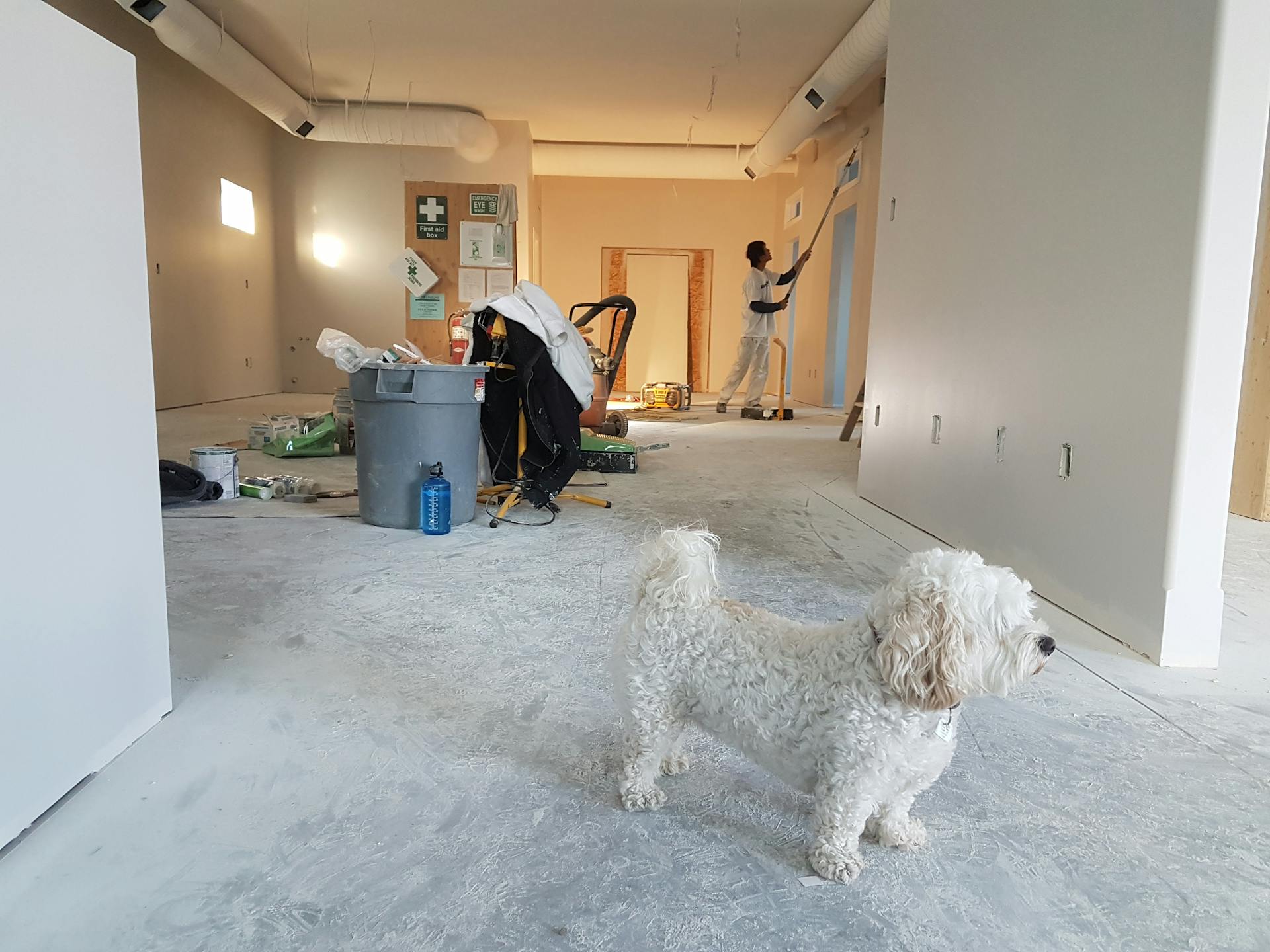
Embarking on a home renovation often involves the exciting prospect of incorporating natural stone elements. Imagine the luxurious feel of a marble countertop, the robust elegance of a granite island, or the unique character of a custom-cut stone backsplash. However, the journey from a raw, unyielding slab to a flawlessly finished feature can seem daunting. Many envision back-breaking labor and complex processes. Fortunately, with the right tools and techniques, achieving polished perfection is within reach, and it doesn’t have to leave you physically strained. This article will guide you through the essential steps and equipment needed to elevate your renovation game, transforming rough stone into stunning focal points with relative ease.
Table of Contents
The Allure of Natural Stone in Home Renovation
Natural stone brings an unparalleled level of sophistication and durability to any home. Its inherent beauty, with unique veining and color variations, adds character that manufactured materials simply can’t replicate. From countertops and flooring to fireplace surrounds and accent walls, stone elements elevate the aesthetic appeal and increase the long-term value of your property. The resilience of materials like granite and marble ensures longevity, making them wise investments for any homeowner looking to enhance their living spaces.
Planning Your Stone Project: Setting the Stage for Success
Before you even think about cutting or polishing, meticulous planning is paramount. Define the scope of your project. What exactly do you want to create or enhance with stone? Measure the required dimensions accurately, accounting for any overhangs or specific design features. Consider the type of stone that best suits your aesthetic and functional needs. Marble offers timeless elegance, while granite provides exceptional durability. Research different finishes and edge profiles to visualize the final outcome.
Acquiring Your Stone Slab: Considerations and Choices
Sourcing your stone slab is a significant step. Local stone yards offer a wide variety of materials, allowing you to inspect the unique characteristics of each piece firsthand. Consider the size and weight of the slab you choose, as this will directly impact handling. Discuss your project with the supplier; they can offer valuable advice on the suitability of different stones and potential challenges. Transportation is another key factor. For larger pieces, you might need professional delivery, but for smaller projects, understanding how to safely transport your chosen slab is essential. This is where a sturdy slab cart can become an invaluable asset, preventing damage and reducing the strain of manual lifting.
Essential Tools for Stone Transformation: Equipping Yourself for the Task
Working with stone requires specialized tools to ensure precision and safety. Beyond the slab cart, several other pieces of equipment are necessary to achieve a professional finish. Safety gear, including eye protection, gloves, and respiratory masks, is non-negotiable to protect yourself from dust and debris. Measuring tools like levels, squares, and tape measures are critical for accurate cuts and installations. Depending on your project, you might also need wet saws for cutting, angle grinders for shaping edges, and a variable speed polisher for achieving that coveted sheen.
Cutting and Shaping Your Stone: Precision and Safety First
Cutting natural stone requires patience and the right technique. Wet saws are commonly used to minimize dust and keep the blade cool, ensuring clean and accurate cuts. Always follow the manufacturer’s instructions for your saw and wear appropriate safety gear. For shaping edges and creating curves, angle grinders fitted with diamond blades are essential. Practice on scrap pieces first to get a feel for the tool and the stone. Remember to work slowly and steadily, allowing the tool to do the work.
The Art of Polishing: Unveiling the Stone’s Natural Beauty
Polishing is the process that truly brings out the inherent beauty of natural stone. This is where marble buffing pads come into play. These pads, often used in a progressive sequence from coarse to fine grit, gradually smooth the surface, revealing the depth and luster of the stone. The process typically involves working with water to keep the surface cool and to carry away swarf. A variable speed polisher allows you to control the speed for optimal results with each grit of pad. Achieving a mirror-like finish requires patience and attention to detail, ensuring each stage of polishing is done thoroughly.
Creating Openings: The Role of the Granite Core Drill Bit
Many renovation projects require creating openings in stone for sinks, faucets, or other fixtures. This is where a granite core drill bit is indispensable. These specialized drill bits, often diamond-tipped, are designed to cut clean, circular holes through hard materials like granite and marble. Using a core drill bit typically involves a water feed to cool the bit and the stone, prolonging the life of the bit and ensuring a smooth cut. Securely positioning the stone and using a drill guide can help achieve accurate and precise openings.
Safety First: Protecting Yourself During the Process
Working with stone involves potential hazards, so prioritizing safety is paramount. Always wear safety glasses to protect your eyes from flying debris. Use heavy-duty gloves to protect your hands from sharp edges and dust. A respiratory mask is essential to prevent inhalation of stone dust, which can be harmful. When using power tools, follow the manufacturer’s instructions carefully and ensure proper grounding. Work in a well-ventilated area to minimize dust exposure.
Maintaining Your Stone Surfaces: Ensuring Lasting Beauty
Once your stone feature is installed, proper maintenance will ensure its lasting beauty. Regular cleaning with mild, pH-neutral cleaners is recommended. Avoid harsh chemicals or abrasive cleaners that can damage the surface. For marble, prompt cleanup of spills is essential to prevent staining. Applying a sealant periodically, especially for porous stones, can provide added protection.
Troubleshooting Common Issues: Addressing Challenges Effectively
Even with careful planning, you might encounter challenges. Chipping during cutting can be minimized by using a sharp blade and feeding the stone slowly. Uneven polishing can often be corrected by going back to a coarser grit and re-polishing. If a core drill bit wanders, using a template or drill guide can improve accuracy. Researching common issues and their solutions beforehand can save you time and frustration.
The Satisfaction of a Polished Result: Enjoying Your Transformed Space
There’s immense satisfaction in transforming a rough, unfinished slab of stone into a beautiful and functional element in your home. The smooth, polished surface reflects light, adding depth and elegance to your space. Knowing that you achieved this level of perfection with your own hands (and the right tools) adds a unique sense of accomplishment to your renovation project. The durability and timeless appeal of natural stone ensure that your efforts will be enjoyed for years to come.
Conclusion
While working with natural stone might initially seem like a task reserved for professionals, equipping yourself with the right tools, such as a reliable slab cart for safe handling, effective marble buffing pads for achieving a flawless finish, and a precise granite core drill bit for creating necessary openings, empowers even the dedicated DIYer to achieve stunning results. By following careful planning, prioritizing safety, and understanding the techniques involved, you can indeed level up your renovation and bring the enduring beauty of polished stone into your home without unnecessary physical strain.