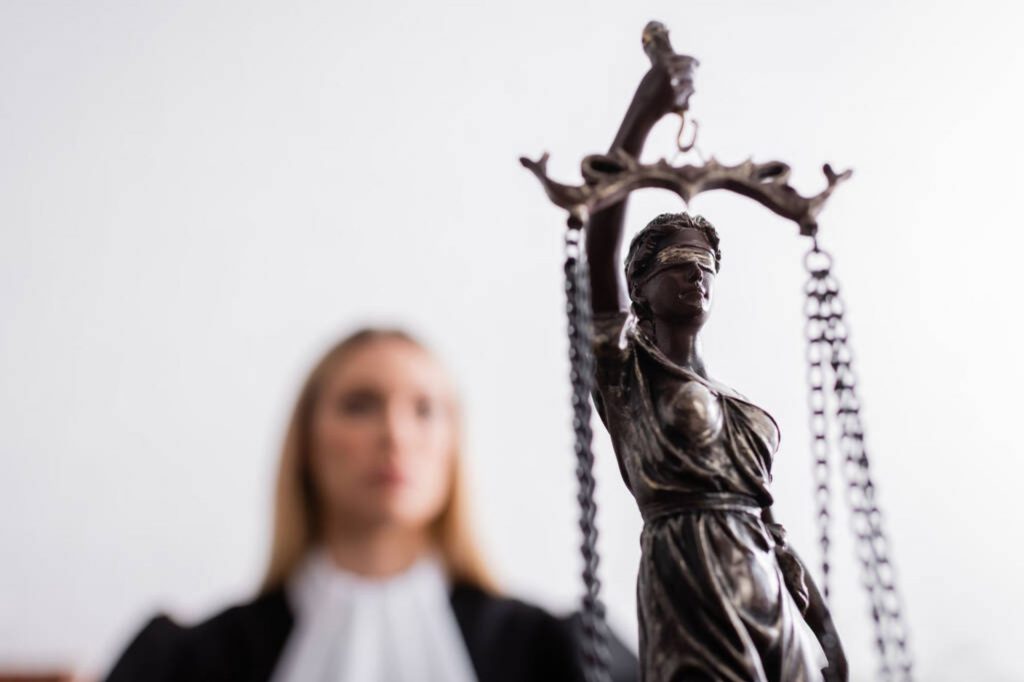
If you’re dealing with criminal charges, picking the right defense lawyer is a game-changer. A good lawyer can have a huge impact on how your case turns out. They’ll guide you through the complicated legal system and fight for your best interests.
Whether you’re facing minor charges or something more serious, you need the right experience. A Nassau County criminal defense lawyer can provide an edge with their knowledge of how the local courts operate. Here are five key qualities to look for when choosing the right attorney for your case.
Table of Contents
1. Experience in Criminal Law
A criminal defense lawyer’s experience is one of the most important factors when choosing an attorney to handle your case. An experienced attorney will have handled a variety of criminal cases and be familiar with the intricacies of criminal law. Whether it’s a misdemeanor or a felony, a lawyer with substantial experience will know how to approach your case, anticipate possible outcomes, and develop a strong defense strategy.
More experienced attorneys also know the local court system and may have relationships with the local prosecutors and judges that will be advantageous in reaching a plea bargain or attempting to obtain a favorable verdict. This level of expertise will make sure your lawyer can develop an appropriate defense fitting your particular case.
2. Effective Communication Skills
Effective communication is about the relationship between attorney and client, and a good criminal defense attorney will be an active listener as well as an articulate explainer. They should work with you, explaining vast legal terminology and terms related to court proceedings that let you understand what is happening at every turn and option available along the way.
Besides, a good lawyer will keep you updated on the progress of your case, whereby you are always informed on the decisions or actions to be taken. They should be easy to talk to and create an open line of communication where you can share your concerns. Good communication means you feel involved in the process as a client and are able to make informed decisions.
3. Attention to Detail
The outcome of criminal cases often hinges on the smallest details; a good defense attorney must be prepared to handle them. Attention to detail means carefully reviewing the evidence, examining police reports, and questioning the legitimacy of any physical or witness evidence the prosecution uses. A good criminal defense lawyer will know where to look for inconsistencies or errors that could weaken the prosecution’s case.
Secondly, criminal defense attorneys are good at cross-examining the witnesses and also at perusing statements made in the investigation. For this, a lawyer will require a sharp eye to observe the discrepancies or weaknesses in testimony, which might turn out in your favor. With close attention to detail, a lawyer raises the chances of finding the most critical evidence to alter your case outcome.
4. Strong Negotiation Skills
Most criminal cases are settled before the court through plea bargains or other negotiated agreements. In such a case, it is very important to have an attorney who can negotiate on your behalf. A good negotiator may be able to get the charges reduced, work out a lighter sentence, or find alternative sentencing that works better in your favor, such as diversion or probation instead of jail time.
It extends further to a position that could negotiate in various dealings with both prosecutors and law enforcement. In this respect, a skilled negotiating criminal defense attorney is one who can negotiate on your behalf and make the best argument for a more favorable resolution instead of going through the risks and unnecessary costs that may come with trial.
5. Committed to Your Rights
Every criminal defense practice is predicated upon a promise: the protection of the constitutional rights of the defendant. A good defense attorney recognizes that to prevail in a case is not as important as fairness and justice in the process.
This includes your right to a fair trial, protection against forced confessions, and appeal for violations of rights in the course of the investigation or arrest.


