Let’s make you rich by giving you tips and costs of opening a Crumbl franchisee. So read on and know all about its cost, benefits and if it’s worth it!!
Table of Contents
What Is Crumbl Cookie Anyway?
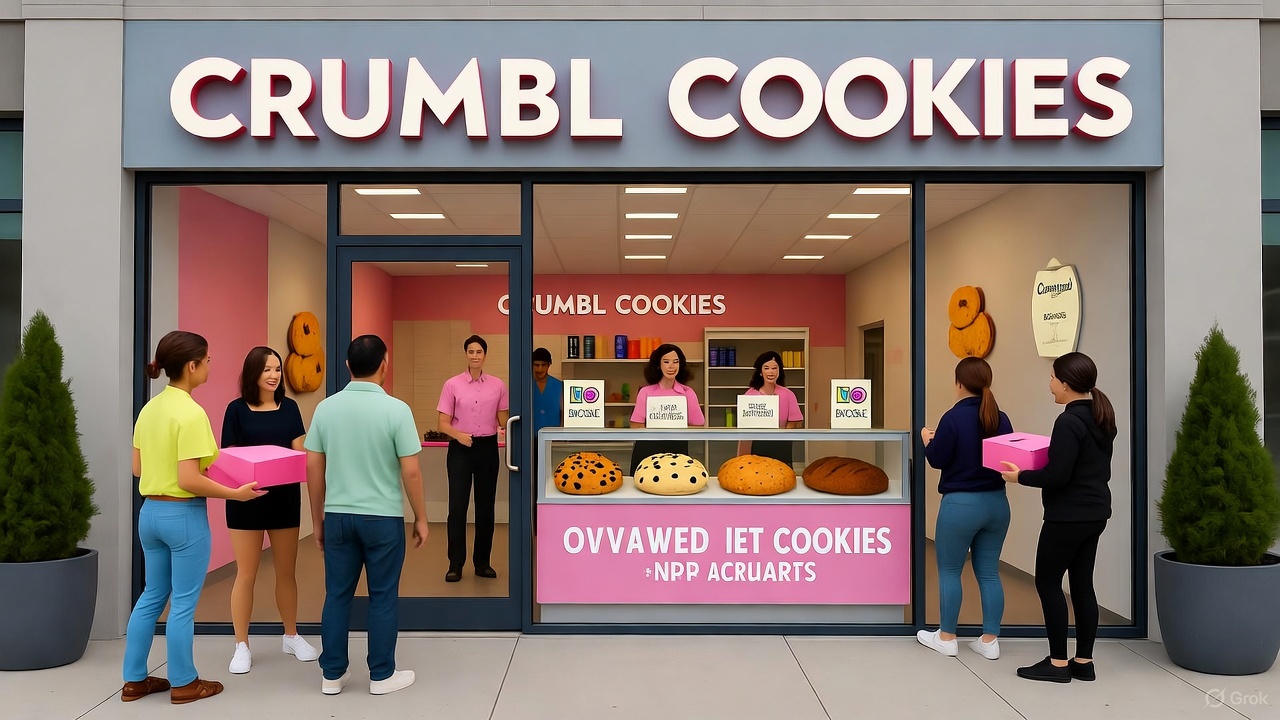
Crumbl is a cookie company that’s making waves in the dessert scene with its fun concept and delicious flavors. Established in 2017 in Logan, Utah, Crumbl is famous for its ever-changing weekly menu, featuring four to five new cookie flavors each week, along with its beloved chilled pink sugar cookie and the classic chocolate chip.
The brand quickly gained popularity on social media, thanks to its eye-catching pink boxes and TikTok-friendly cookie reviews that created a buzz across the country. Unlike your typical bakery, Crumbl specializes in oversized gourmet cookies that come with creative twists, offering everything from timeless flavors to unique treats like churro, key lime pie, and peanut butter brownie. And if that’s not enough, they also serve ice cream at select locations!
What Are Its Initial Franchise Fees?
The initial franchise fee is a one-time payment that the franchisee makes to the franchisor (in this case, Crumbl) when they sign the franchise agreement. This fee gives the franchisee the right to use Crumbl’s brand name, proprietary systems, trademarks, operating manuals, and training, along with support and often some initial help with site selection or design.
However, it’s important to note that this fee doesn’t cover other startup expenses like equipment, real estate improvements, or inventory, those costs come separately.
McDonalds Franchise in India: Cost & Process
How Much Is Crumbl’s Initial Franchise Fee?
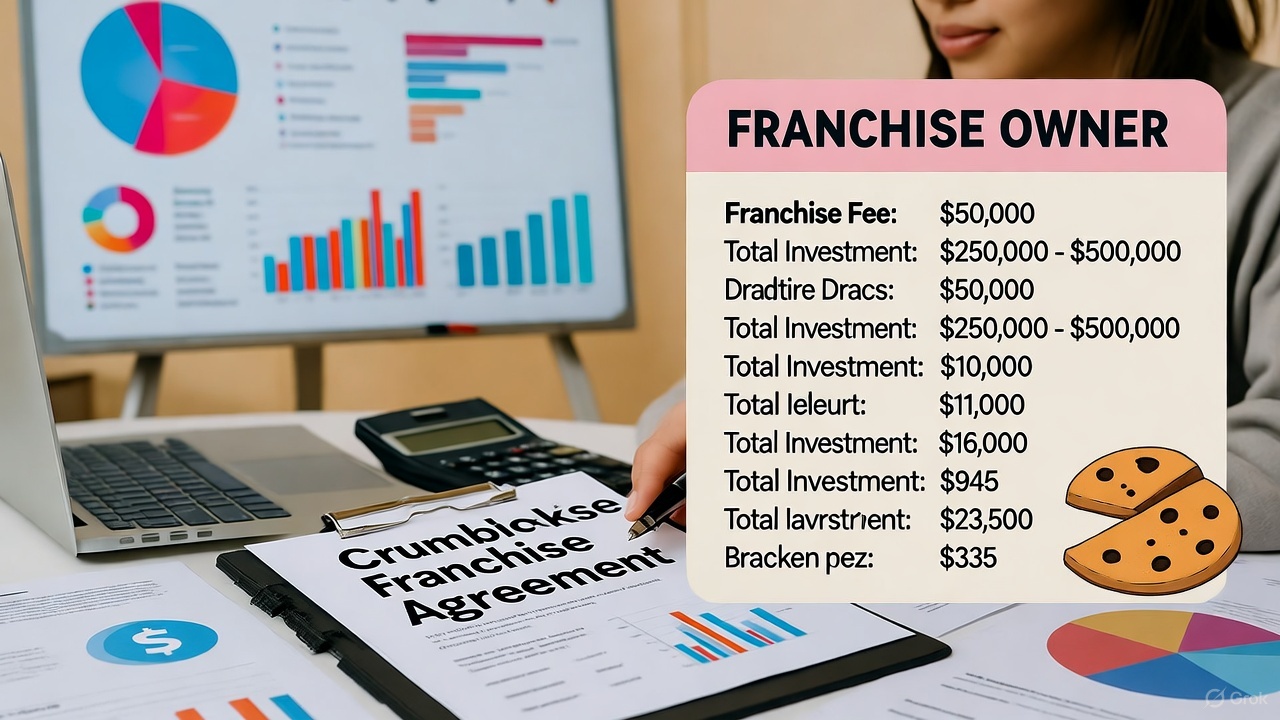
- Initial franchise fee is around $50,000.
- Some sources suggest that the fee could be lower, approximately $25,000, for older agreements or specific circumstances.
- However, the latest Franchise Disclosure Document (2025) confirms that the fee is indeed $50,000.
What The Fee Gets You?
You’ll need permission to use Crumbl’s name, logos, and branding elements.
- They provide initial training sessions for franchisees and management (and sometimes staff) to get familiar with Crumbl’s operations, recipes, and customer experience standards.
- You’ll have access to Crumbl’s operating manuals, marketing materials, and systems (like POS, supply chain, etc.).
Real Estate, Equipment Costs And Other Costs
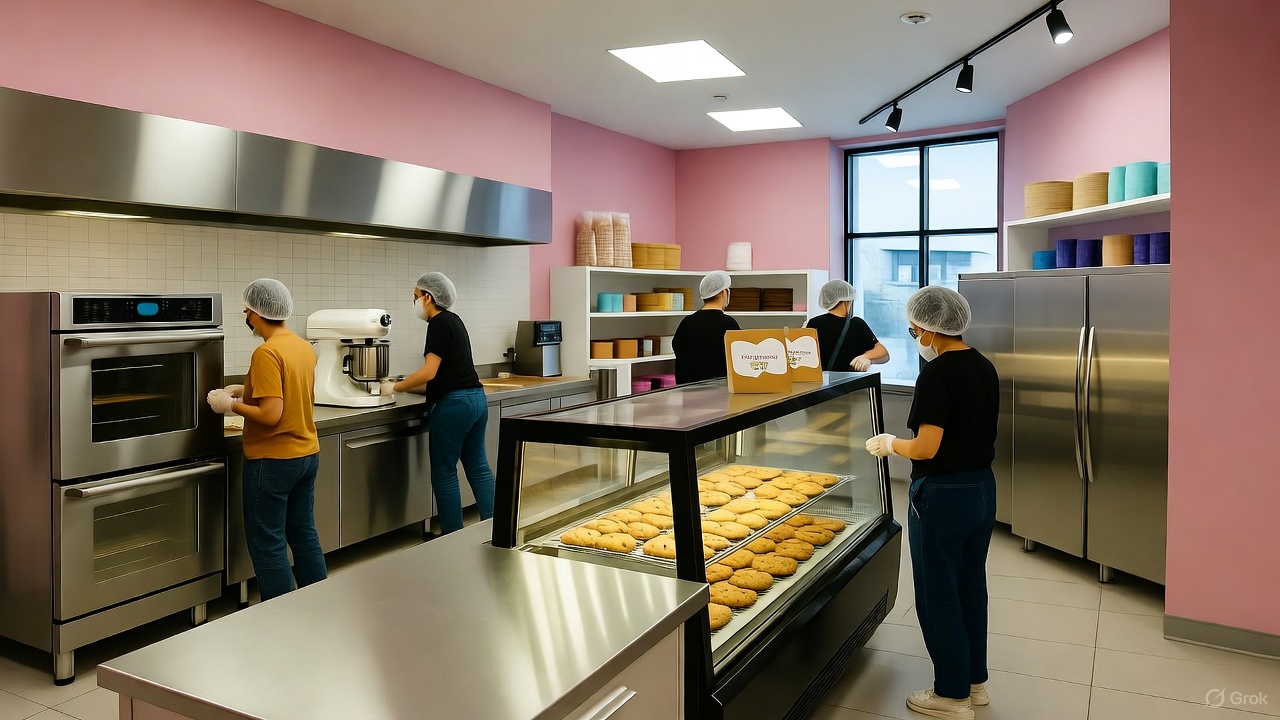
When you’re diving into a Crumbl Cookies franchise, it’s important to know that real estate and equipment will take up a big chunk of your investment, aside from the initial franchise fee.
The cost of real estate can really vary based on where you’re looking, the size of the space, and how hot the market is. Typically, a Crumbl store needs about 1,200 to 1,600 square feet, usually located in bustling shopping centers or areas with lots of foot traffic. Leasing prices can differ quite a bit, and don’t forget to factor in extra costs for leasehold improvements like flooring, plumbing, lighting, and that stylish décor that gives Crumbl its modern vibe.
Then there’s the equipment, which is another big piece of the puzzle. To get your store up and running, you’ll need commercial ovens, mixers, refrigerators, freezers, and all those specialized baking tools.
On top of the baking essentials, you’ll also want display cases, point-of-sale (POS) systems, furniture, and branded packaging. These costs can pile up fast, but they’re essential for keeping that consistent Crumbl experience that customers love.
How Much Does It Cost to Start a Smoothie King Franchise?
What Are Working Capital & Emergency Funds?
When it comes to opening a Crumbl franchise, it’s a smart move to set aside enough funds to cover at least six months’ worth of expenses. This financial cushion allows franchisees to get their store up and running without feeling overwhelmed.
Essentially, having working capital ensures that daily operations flow smoothly, while having some emergency funds on hand helps your business tackle any surprises and stay strong in the competitive food scene.
Profitability & ROI Expectations: What Can You Expect?
While the actual results can differ based on location, traffic, and management, Crumbl has certainly made a name for itself as one of the fastest-growing dessert brands in the U.S. Many of its stores are raking in some impressive sales figures. On average, a Crumbl location can pull in annual gross sales anywhere from $1 million to over $2 million, depending on its size and demand.
But let’s be clear: gross sales don’t mean profit. Franchisees have to consider expenses like rent, payroll, ingredient costs, marketing fees, and royalties. After all those deductions, some reports indicate that franchise owners might see profit margins between 10% and 20%, although this really hinges on how efficient they are and their overhead costs.
When it comes to ROI (Return on Investment), many franchisees say they break even within the first 1 to 2 years, with the best locations even recouping their initial investment more quickly. Still, like any business venture, success isn’t a sure thing. A great location, excellent customer service, and active community engagement are crucial for long-term profitability.
How Much Does It Cost to Start a Raising Cane’s Franchise?
FAQs
Curious about the cost of opening a Crumbl Cookies franchise?
Well, you’re looking at an investment that usually falls between $367,000 and over $1 million. The exact amount depends on factors like your location, the size of the store, and the costs associated with building it out. This total includes a $50,000 franchise fee, along with expenses for equipment, real estate, inventory, and working capital.
Now, how long does it take to get your Crumbl franchise up and running after you sign the agreement?
Generally, you can expect the process to take anywhere from 6 to 12 months. This timeframe includes everything from selecting a site and negotiating the lease to construction, training, and getting ready for that exciting grand opening.
Conclusion
With some thoughtful planning, choosing the right spot, and managing finances wisely, franchisees can not only recoup their initial investment but also create a thriving, long-lasting business in the ever-growing dessert industry.
 About Carson Derrow
