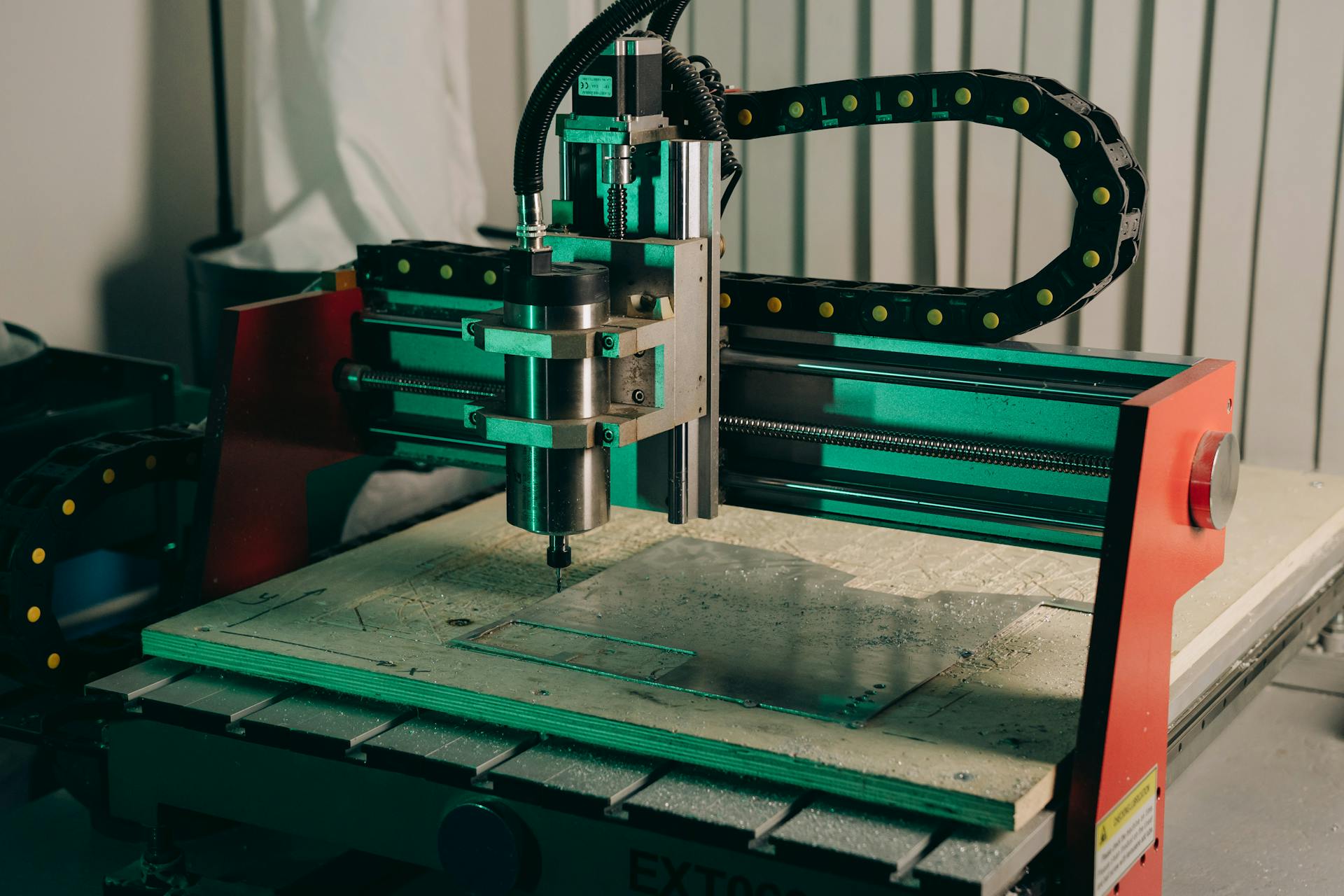
In the world of CNC machining, material choice is never just a matter of convenience. The way a metal responds to high-speed cutting, heat, and stress can significantly affect everything from cycle times to tool longevity and final part quality. For engineers, machinists, and procurement specialists alike, understanding how various metals behave under machining conditions is essential for both cost control and performance reliability.
This article explores how different metals respond to CNC machining processes, with a focus on real-world considerations such as tool wear, surface finish, heat generation, and part stability.
Table of Contents
Key Material Properties That Influence Machinability
Before we examine individual metals, it is helpful to revisit the primary material properties that influence machinability:
- Hardness: Affects tool wear and energy requirements during cutting.
- Ductility: Impacts chip formation and the likelihood of material buildup on tools.
- Thermal Conductivity: Influences heat dissipation and part distortion.
- Abrasiveness: Can significantly reduce tool life if not properly accounted for.
Each of these factors plays a role in determining how smoothly a material machines, how fast you can run the operation, and how long the tooling will last. Machinability is not just a feature of the metal itself, but the sum of these interactions under dynamic conditions.
Aluminum: High-Speed, Low-Resistance Performance
Aluminum remains one of the most popular choices for CNC machining across industries including aerospace, automotive, and consumer electronics. Its relatively low hardness and excellent thermal conductivity make it ideal for high-speed operations. Common alloys such as 6061 and 7075 are widely used due to their balance of machinability, strength, and corrosion resistance.
Aluminum typically produces clean chips, allows for tight tolerances, and minimizes tool wear. However, its softness can be a disadvantage in high-stress or wear-intensive applications. Surface finishes are generally excellent, and tool coatings such as TiN or TiAlN can enhance performance further, especially in automated or high-volume settings.
Steel: Durable but Demanding
Steel presents a broader range of machinability, depending largely on its carbon content and alloying elements. Mild steel, such as 1018, is relatively easy to machine and is commonly used in structural components and general-purpose parts. In contrast, stainless steels such as 304 or 316 are much more challenging due to their toughness and work-hardening tendencies.
Machining steel often requires slower speeds, higher torque, and precise control of coolant flow to manage heat. Tool selection is also critical. Carbide tools with appropriate coatings can extend tool life significantly and reduce downtime due to tool changes. For stainless steel, aggressive chip evacuation and rigid setups are necessary to prevent galling and maintain dimensional accuracy.
Titanium: High Performance, High Complexity
Titanium offers an impressive strength-to-weight ratio and outstanding corrosion resistance, which makes it indispensable in aerospace, medical, and defense sectors. However, its low thermal conductivity and high reactivity with cutting tools present major machining challenges.
Heat buildup during cutting is a significant concern, often requiring lower spindle speeds, reduced feed rates, and high-pressure coolant systems to prevent workpiece distortion and tool failure. Despite these difficulties, titanium remains a vital material when performance demands justify the additional machining investment.
Brass and Copper: Soft Metals with Unique Considerations
Brass is widely regarded as one of the most machinable metals available. It offers excellent chip control, minimal tool wear, and a smooth surface finish, making it ideal for applications in plumbing, instrumentation, and decorative hardware.
Copper, while similar in appearance, poses more complex challenges. Its high ductility and thermal conductivity lead to issues such as material smearing, heat accumulation, and premature tool wear. Specialized tooling and lubrication strategies are often required to achieve consistent results when machining copper.
Both metals are essential in industries that prioritize electrical conductivity and tight dimensional tolerances, such as electronics and precision engineering.
Exotic Alloys: Engineered for Extreme Conditions
Advanced alloys such as Inconel, Hastelloy, and Monel are engineered for environments where heat, corrosion, and mechanical stress are extreme. These materials are common in aerospace turbine components, nuclear applications, and chemical processing equipment.
From a machining standpoint, these alloys are among the most difficult to work with. They tend to work-harden rapidly and resist heat dissipation, which accelerates tool wear and increases the risk of part distortion. Successful machining of exotic alloys often requires custom tooling, continuous monitoring, and highly controlled process parameters.
These materials are rarely chosen for ease of machining but rather for their ability to perform in environments where failure is not an option.
Machining is a System, Not Just a Material
While the metal itself plays a central role, successful CNC machining depends on a broader ecosystem of variables. Tool selection, cutting strategy, coolant application, machine rigidity, and operator experience all contribute to the final result. For companies seeking consistent and high-quality outcomes, partnering with a trusted CNC machining service that brings proven equipment, trained staff, and quality control practices can make a measurable difference.
A material that machines poorly in one setup can often be handled effectively with the right tooling and process adjustments. Conversely, even a “machinable” metal can cause problems if the surrounding factors are not optimized. In this respect, CNC machining is as much a craft as it is a science.
Conclusion: Understanding Metals for Smarter Machining
For manufacturers and decision-makers, recognizing how different metals behave during CNC machining is crucial for planning, budgeting, and maintaining consistent quality. Material behavior influences everything from tool cost and cycle time to part performance and long-term reliability.
Investing in this understanding helps build stronger supply chains, reduce operational surprises, and ultimately deliver better parts, faster and more efficiently.
When selecting materials for a CNC project, consider not just the design and mechanical requirements, but also the machining realities. It may be the difference between a project that stays on schedule and one that never quite gets off the ground.


