A breakdown of the 2026 paid media shift, drawn from the work of Jorge Argota, a legal marketer who spent a decade inside a personal injury and medical malpractice firm before launching his own agency.
Jorge Argota likes to point out that the gap between what an ad platform announces on a Tuesday and what the average law firm actually changes in their account is usually about eighteen months. In a normal year that gap costs money. In 2026 it’s costing entire case pipelines.
Paid media isn’t slowly evolving anymore. It’s restructuring in real time. In the last ninety days OpenAI turned ChatGPT into a self serve advertising platform with no minimum spend. Google’s AI Overviews crossed from novelty to default surface and began doing strange things to paid click through rates. Performance Max picked up new compliance rules. AI Max for Search began absorbing Dynamic Search Ads. And buried under all of it, one research finding should reframe how every law firm thinks about marketing budget. When ChatGPT, Gemini, and Claude actually cite a source, eighty four percent of the time it’s earned media. Paid placements account for three tenths of one percent. For legal marketers navigating this shift, building a genuine understanding of how AI platforms work is no longer optional — Coursiv offers structured, practice-driven AI courses that help marketing professionals stay ahead of the tools reshaping their industry.
Table of Contents
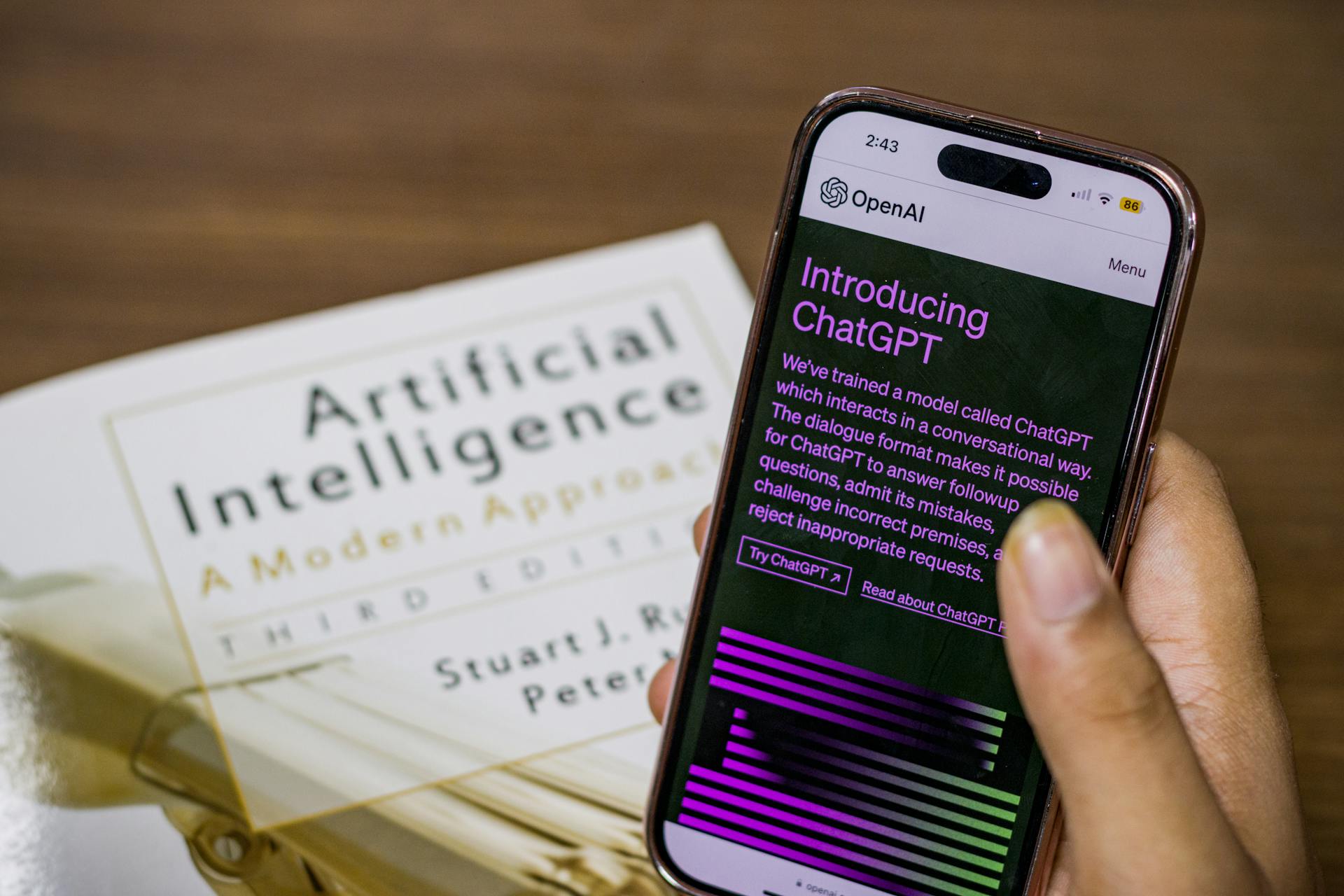
ChatGPT Ads went self serve on May 5
On May 5, 2026, OpenAI removed the minimum spend requirement on ChatGPT Ads and opened the self serve Ads Manager at ads.openai.com to every US advertiser. Three months earlier the platform had launched with a two hundred thousand dollar minimum and sixty dollar CPMs, effectively a private channel for Omnicom and WPP. By mid April the minimum had dropped to fifty thousand and pricing flipped from CPM to cost per click, with floors at three to five dollars for general categories and eight to eighteen for software and finance. By May 5 the floor was gone. Allowed categories at the beta stage include local services, which is the bucket law firms fall into.
Why ChatGPT Ads behave nothing like Google Search
Similarweb’s analyst Or Levi Amir offered the framing Argota uses with his clients. Google Search captures intent only after the user explicitly names what they want. ChatGPT captures what Amir calls conversational intent, generated by intent drift over the course of a chat. Forty six percent of ChatGPT users who eventually saw an ad started the conversation with no commercial intent. Eighty three percent of ad triggering queries inside ChatGPT would never have activated a Google Shopping ad. The conversation itself generates the buying moment.
The structural difference matters. There is one ad per conversational turn. No side rail, no row of competitors, no ten blue links. Just one branded slot inside an exchange where the user is already deep in the problem. Sixty one percent of those ads trigger on prompts beginning with “best.” Another thirty one percent trigger on “X versus Y” comparison prompts. Adthena pulled five hundred and eighty live ads and found that on comparison prompts, the ad that surfaced was from neither named brand eighty six percent of the time. In Argota’s read, that means a law firm asking a prospect to compare two named competitors is staring at an open slot, and the firm that bothers to set up the campaign wins it.
Penetration jumped sixtyfold in three weeks
Monitoring firms measured ad penetration at four tenths of one percent during the April to mid May period. Three weeks later, on May 26, the number was twenty six and a half percent globally and forty nine percent in the United States. A roughly sixtyfold jump. The advertiser pool widened by the same factor, moving from a narrow B2B SaaS set to a consumer commerce heavy mix that now includes Target, Ford, Adobe, Expedia, Best Buy, Pottery Barn, and a long tail of mid market entrants. Average click through rate sits around point six eight percent, with the best campaigns clearing five point four, above the Google Search average and into top tier social territory.
AI Overviews are restructuring paid search, not killing it
Google AI Overviews now serve on roughly fifteen percent of queries and skew heavily informational. They reduce organic click through by eighteen percent on average and by as much as forty seven percent on purely informational queries. The reflex response in 2024 was that this would eat paid search alongside organic. The 2026 data says otherwise.
On queries where AI Overviews are present, paid click through actually rose from fourteen point six percent to sixteen point two in Q1, while paid click through on non AIO queries fell from twenty six to twenty one point eight. Branded queries with AI Overviews showed an eighteen percent click through increase. Alphabet’s Q1 2026 earnings showed Google’s owned search revenue up nineteen percent year over year to sixty point four billion dollars. The only contraction landed on the third party Google Network, down four percent.
Paid search isn’t dying. It’s redistributing toward queries where Overviews appear and toward branded searches inside an AIO present SERP.
The four layer budget structure Argota runs for Florida PI clients
For a firm spending two hundred and fifty to eight hundred dollars per click in Miami Dade, Argota argues that informational keyword spend is a leak. “What is a personal injury claim” and “how long do I have to file a lawsuit” are funding clicks AI Overviews increasingly intercept. The dollars belong in transactional and “near me” commercial intent, in branded protection, and in Local Services Ads where Google controls the experience and gives the slot structural priority regardless of AI changes.
The structure he’s been running since mid 2025, pressure tested against Florida PI client data, splits roughly like this. Thirty five to forty five percent into branded search and LSAs. Twenty five to thirty five into transactional commercial intent. Fifteen to twenty into non branded commercial only. Fifteen to twenty five into remarketing and brand building. The per county and per practice area CPC reality behind that structure is laid out in his breakdown of how much Google Ads actually cost lawyers in 2026.
AI Max is quietly replacing Dynamic Search Ads
Google announced the migration cadence on April 30, 2026, the same day it expanded AI Max into Shopping and travel formats and shipped an AI Brief tool. AI Max analyzes both on page text and visual elements when it generates headlines, which means landing page imagery now matters in a way it didn’t when DSA only read text.
It isn’t a universal win. Smarter Ecommerce’s analysis of two hundred fifty retail campaigns found AI Max delivering roughly thirty five percent lower return on ad spend than traditional targeting in the same accounts. Argota’s read is that the math is more interesting for law firms than retailers, because legal conversion pages tend to be content heavy and conversion optimized in ways that play to AI Max’s on page analysis strengths. He’s running controlled tests on a single client campaign this quarter rather than recommending broad migration.
The new compliance layer law firms can’t ignore
In May 2026, Google tightened Performance Max auto generated asset disclosure. Automatically generated assets cannot serve more than thirty percent of total impression delivery in a rolling thirty day window without explicit advertiser approval, and the labelling is now visible to consumers rather than buried in transparency tools. That stacks on top of the Q1 2026 requirement that advertisers disclose when ad creative is substantially generated or modified by AI.
For a law firm those rules don’t sit alone. They stack on top of Florida Rule 4 7.13 and 4 7.14 advertising disclaimers. Any firm running PMax with auto generated creative needs an approval workflow this quarter, not next.
The biggest shift in 2026 isn’t paid at all
Muck Rack’s May 2026 report analyzed twenty five million links cited across ChatGPT, Gemini, and Claude. Earned media, meaning journalism, academic research, government sources, and third party corporate coverage, accounted for eighty four percent of all AI citations. Journalism by itself accounted for twenty seven. Paid and advertorial content accounted for three tenths of one percent.
The platforms also differ in important ways. ChatGPT cites a source ninety six percent of the time, averaging five citations. Gemini cites eighty two percent of the time, averaging eight. Claude cites in just fifty five percent of responses but averages thirteen sources when it does. ChatGPT leans on Wikipedia. Claude leans on PubMed Central. Gemini leans on Reddit.
The budget implication, in Argota’s framing, is bimodal. Paid media drives clicks. Earned media, structured first hand content, and a deliberate citation footprint are what drive visibility inside the AI surfaces that increasingly mediate a prospect’s first awareness of a firm. A firm can’t pay its way into the second one.
Five moves to make before July
Argota’s prescription for any law firm reading this in the next sixty days breaks down into five moves.
The first is to pull the last ninety days of the Google Ads account and compare it to the previous ninety. The signature of AI Overview impact is impression share holding steady while absolute top impression share drops more than ten percentage points and click through drops fifteen to twenty five percent. Where that pattern shows up on informational keywords, the fix is to drop them from non branded search campaigns entirely and shift the budget into branded protection and transactional intent.
The second is to open an account at ads.openai.com this week. The first mover window is open right now because penetration jumped sixtyfold in three weeks while the advertiser pool is still mostly consumer commerce. A Florida PI firm running ten comparison and “best [city] [practice area]” prompts at a CPC bid ten to twenty percent above the three to five dollar floor can generate enough click volume on a five thousand dollar test budget to read directional signal in thirty days. Install the Conversions API and pixel from day one.
The third is to plan the Dynamic Search Ads to AI Max migration on the firm’s own timeline. The phased rollout will happen on Google’s schedule whether the firm has decided which campaigns benefit from on page visual signal or not. Better to decide now than to be auto migrated on a random Tuesday.
The fourth is to stand up an auto asset approval workflow for Performance Max and stack AI generated content disclosure on top of state bar advertising language. Unglamorous, but when neglected this surfaces as an account suspension or a bar complaint at the worst possible time.
The fifth, and the one Argota thinks will quietly matter most over the next three years, is to allocate fifteen percent of the marketing budget away from paid and toward earned media. PR placements, original first hand content, structured author profiles, schema that lets the LLMs resolve the firm and the attorney as entities. This is the channel that pays back in AI citations, and unlike paid media, the moat compounds. Done consistently for twelve months while competitors keep spending the entire budget on clicks, the firm becomes the one ChatGPT mentions when a prospect asks for a recommendation in 2027.
The honest read on 2026
ChatGPT Ads is real and measurable and law firms can run it starting now. Google Ads isn’t dying, it’s restructuring into a four layer stack that punishes informational spend and rewards commercial intent. AI Overviews are compressing publisher traffic but expanding cited brand traffic. And the single highest leverage marketing dollar in 2026 isn’t paid at all. It’s earned.
A firm still running the 2024 playbook in 2026, broad match informational keywords and no LSAs and no AI Overview aware content and no ChatGPT Ads pilot and no PR, isn’t just behind. It’s invisible to the surfaces its next client is actually using to find it.
The opportunity is the gap between what the platforms shipped this quarter and what most firms will get around to next year. The work of closing that gap is what Argota’s practice does day to day. His bio and background are here for readers who want context on where the point of view comes from.


