Search Engine Optimization has evolved dramatically in 2025, becoming more sophisticated and data-driven than ever before. With Google’s continued emphasis on user experience signals, the rise of AI-powered search features, and the increasing importance of mobile-first indexing, businesses need robust SEO tools to stay competitive in the digital landscape.
The modern SEO ecosystem demands tools that can handle complex technical audits, provide real-time competitive intelligence, and leverage artificial intelligence to predict search trends. Whether you’re a solo blogger, a growing agency, or an enterprise-level organization, the right SEO tools can mean the difference between ranking on page one or getting lost in the digital noise.
This comprehensive guide will walk you through the best SEO tools available in 2025, helping you make informed decisions based on your specific needs, budget, and expertise level. From all-in-one platforms to specialized solutions, we’ll cover everything you need to build a winning SEO strategy.
Table of Contents
What Makes a Great SEO Tool in 2025?
Before diving into specific tools, it’s crucial to understand what separates exceptional SEO software from the rest. The best SEO tools in 2025 share several key characteristics:
AI-Powered Insights: Modern SEO tools leverage machine learning algorithms to provide predictive analytics, content suggestions, and automated optimization recommendations. These AI features help identify opportunities that manual analysis might miss.
Real-Time Data and Reporting: With search engine algorithms updating constantly, SEO tools must provide fresh, accurate data. Real-time rank tracking, instant site audits, and live competitor monitoring are now standard features.
User-Friendly Interface: As SEO becomes more complex, tools need intuitive interfaces that make advanced features accessible to users of all skill levels. Clean dashboards, visual reporting, and guided workflows are essential.
Integration Capabilities: The best SEO tools seamlessly integrate with Google Analytics, Google Search Console, content management systems, and other marketing platforms to provide a unified view of performance.
Scalability and Fair Pricing: Whether you’re managing one website or hundreds, top SEO tools offer flexible pricing tiers and scalable features that grow with your business needs.
These tools serve various use cases including keyword research, technical site audits, backlink analysis, content optimization, rank tracking, and competitive intelligence.
Top All-in-One SEO Platforms
SEMrush
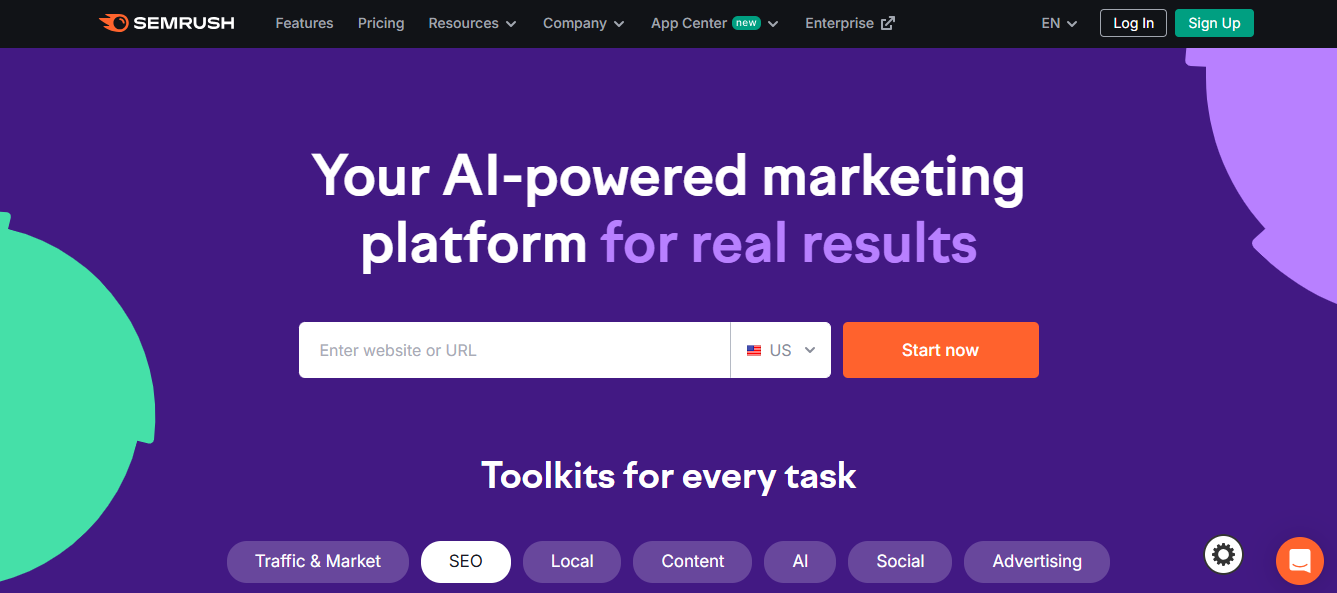
SEMrush has solidified its position as one of the most comprehensive SEO platforms available in 2025. The platform has introduced several groundbreaking features this year, including an enhanced AI Writing Assistant that creates SEO-optimized content and an improved Local SEO toolkit for multi-location businesses.
What’s New in 2025: SEMrush launched its Content Audit 2.0 feature, which uses machine learning to analyze content performance and suggest improvements. The platform also introduced real-time SERP feature tracking and enhanced mobile SEO analysis tools.
Best For: Enterprise users and agencies that need comprehensive competitive analysis, extensive keyword databases, and advanced reporting capabilities.
Key Features:
- Database of over 25 billion keywords across 140+ countries
- Site audit tool that identifies 140+ technical SEO issues
- Content gap analysis and topic research tools
- Social media and PPC management features
- White-label reporting for agencies
Pros: Extensive feature set, reliable data accuracy, excellent customer support, regular feature updates, comprehensive competitor analysis.
Cons: Steep learning curve for beginners, expensive pricing for small businesses, some features overlap creating complexity.
Pricing: Plans start at $119.95/month for the Pro plan, with Guru at $229.95/month and Business at $449.95/month.
Ahrefs
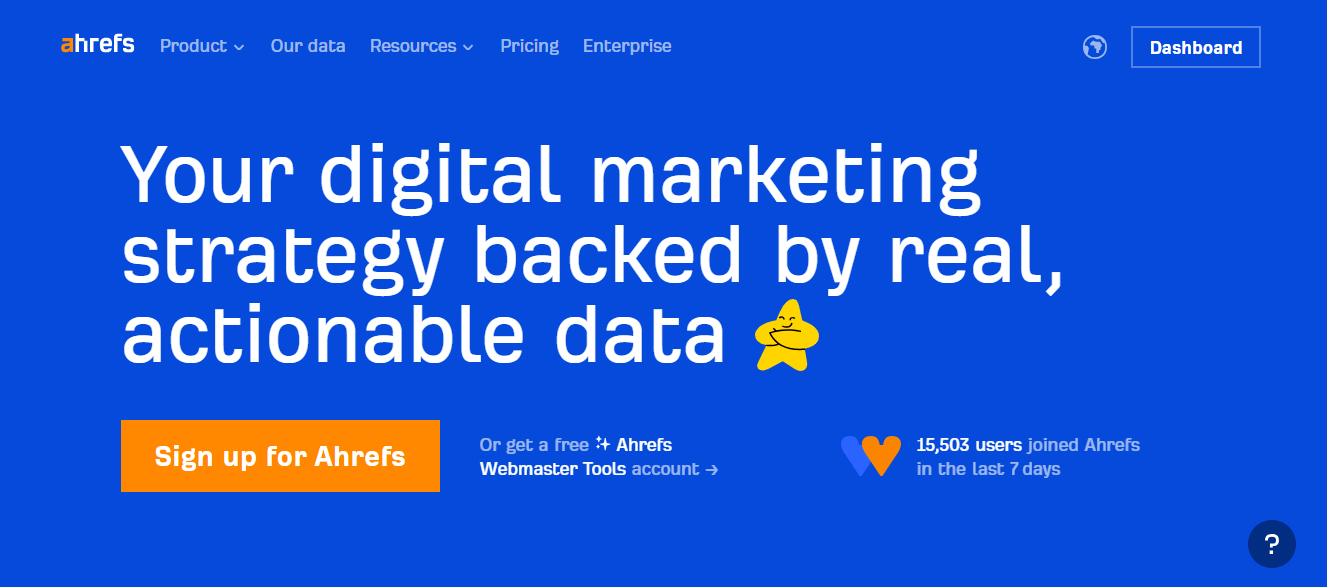
Ahrefs has maintained its reputation as the gold standard for backlink analysis while expanding into a full-featured SEO platform. In 2025, Ahrefs introduced significant improvements to its user interface and added powerful AI-driven content features.
Updated Features for 2025: The new Ahrefs interface features improved navigation and faster loading times. The platform added AI-powered content suggestions, enhanced keyword clustering, and advanced SERP analysis tools.
Best For: SEO professionals focused on backlink building, content marketers, and businesses that prioritize link analysis and competitive research.
Key Features:
- World’s largest live backlink database with over 35 trillion links
- Site Explorer for comprehensive competitor analysis
- Content Explorer with 7+ billion pages of content data
- Rank Tracker with accurate position monitoring
- Keywords Explorer covering 171 countries
Pros: Unmatched backlink data quality, fast and accurate crawling, excellent content research tools, clean interface, reliable customer support.
Cons: Limited social media features, expensive for small businesses, learning curve for advanced features.
Pricing: Lite plan at $99/month, Standard at $199/month, Advanced at $399/month, and Enterprise at $999/month.
Moz Pro
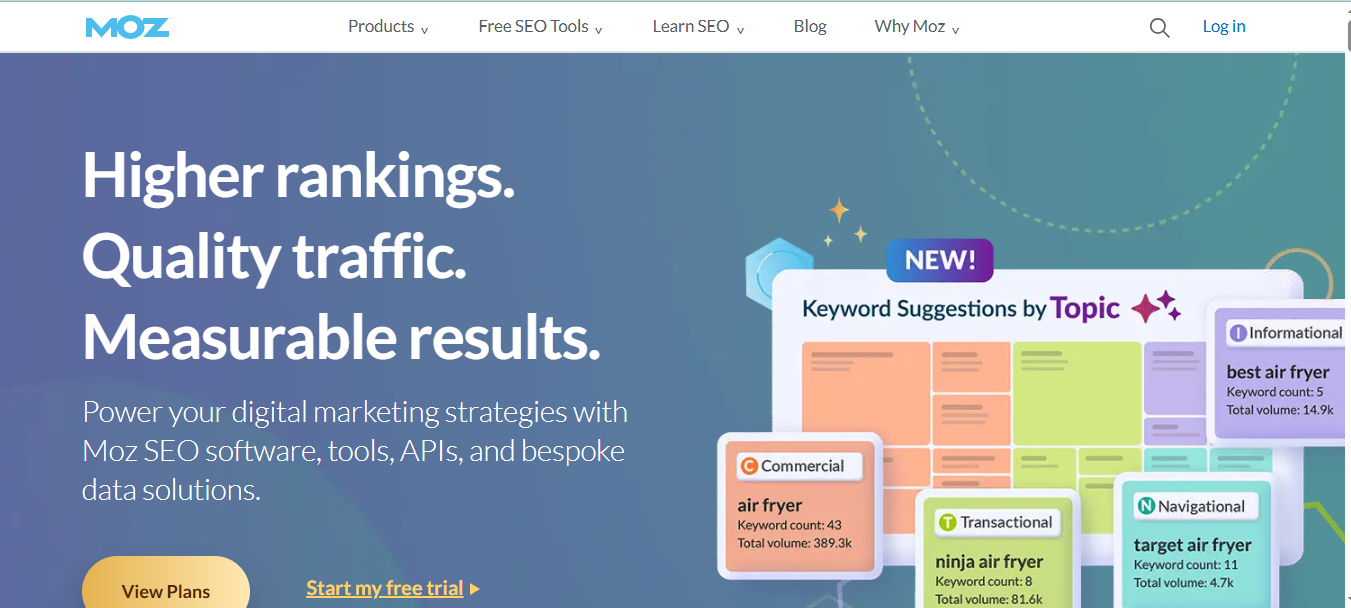
Moz has embraced artificial intelligence in 2025, introducing AI-driven insights across its platform while maintaining its beginner-friendly approach. The company has focused on making advanced SEO concepts accessible to newcomers while providing sophisticated tools for experienced users.
What’s New in 2025: Moz launched its AI-powered Opportunity Score, which prioritizes SEO tasks based on potential impact. The platform also introduced enhanced local SEO features and improved mobile optimization tools.
Best For: Beginners to intermediate SEO practitioners, small to medium-sized businesses, and users who prefer guided SEO workflows.
Key Features:
- Page Optimization suggestions with AI recommendations
- Link Explorer with spam score filtering
- Rank Tracker with local and mobile rank monitoring
- Site Crawl tool for technical SEO issues
- Keyword Explorer with SERP feature tracking
Pros: User-friendly interface, excellent educational resources, reliable customer support, good value for money, strong local SEO features.
Cons: Smaller keyword database compared to competitors, limited advanced features, slower data updates.
Pricing: Standard plan at $99/month, Medium at $179/month, Large at $299/month, and Premium at $599/month.
Serpstat
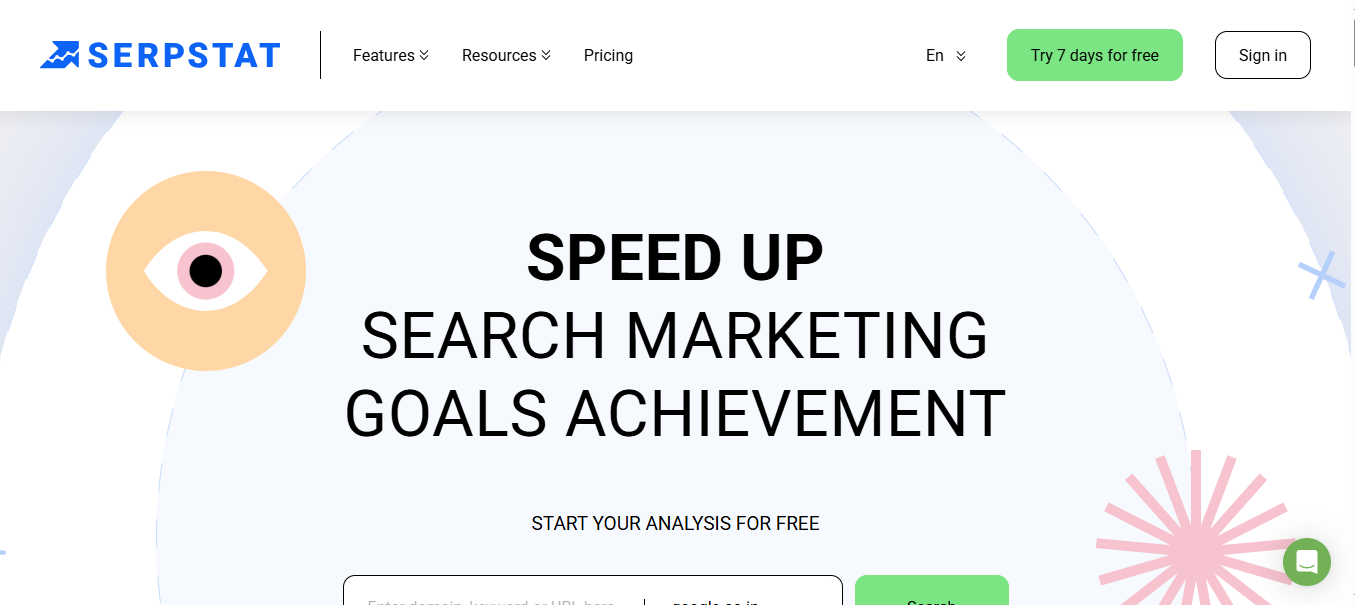
Serpstat has emerged as a cost-effective alternative to larger platforms, offering impressive functionality at competitive prices. In 2025, the platform has focused on improving its AI capabilities and expanding its international database coverage.
Emerging Features for 2025: Serpstat introduced AI-powered content analysis, enhanced competitor research tools, and improved rank tracking accuracy. The platform also added new integrations with popular CMS platforms.
Best For: Small businesses, startups, and agencies looking for comprehensive SEO tools without premium pricing.
Key Features:
- All-in-one platform with keyword research, site audit, and backlink analysis
- Text Analytics for content optimization
- Competitor analysis with traffic and keyword insights
- Rank tracking with white-label reports
- API access for custom integrations
Pros: Affordable pricing, comprehensive feature set, good customer support, regular updates, user-friendly interface.
Cons: Smaller database than premium competitors, limited advanced features, occasional data accuracy issues.
Pricing: Individual plan at $69/month, Team at $149/month, and Agency at $299/month.
Best Keyword Research Tools
Google Keyword Planner (2025 Update)
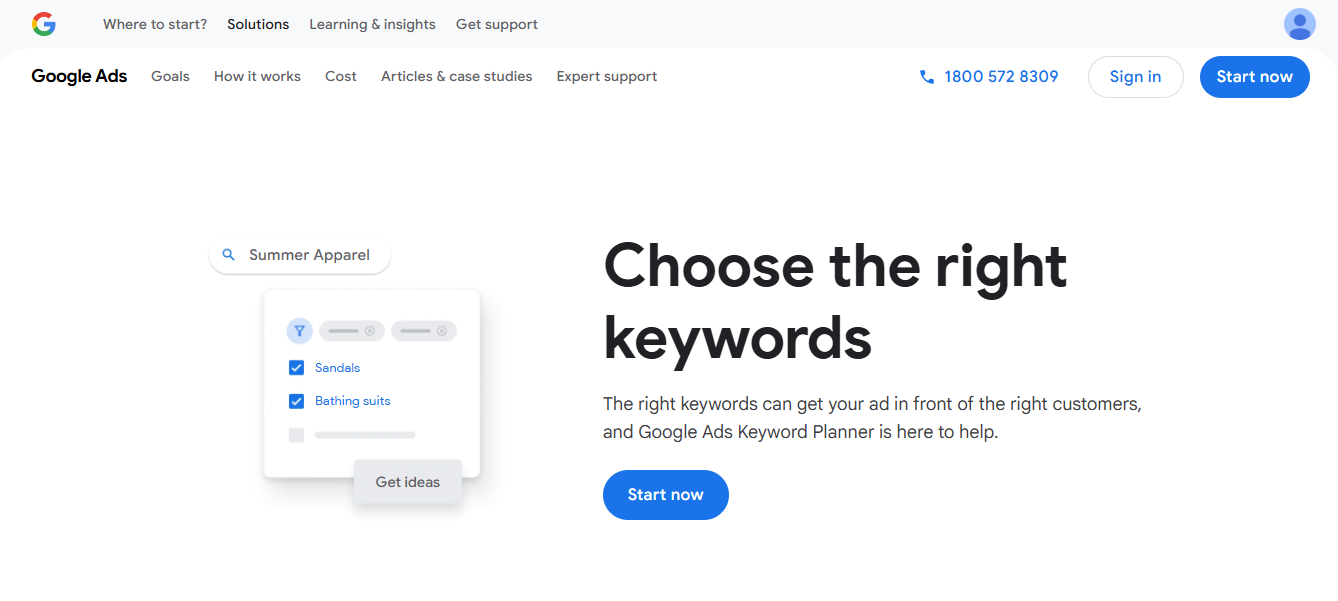
Google Keyword Planner remains a fundamental tool for SEO professionals, and 2025 brought significant improvements to its functionality. The platform now offers enhanced search volume accuracy and better integration with Google Ads performance data.
2025 Updates: Google added historical trend data, improved keyword grouping, and enhanced mobile search insights. The tool now provides more accurate search volume ranges and better seasonal trend analysis.
Key Features: Free access to Google’s keyword data, search volume estimates, competition levels, bid suggestions for paid campaigns, and trend analysis.
Best For: Beginners, budget-conscious users, and anyone needing Google’s first-party keyword data.
Ubersuggest
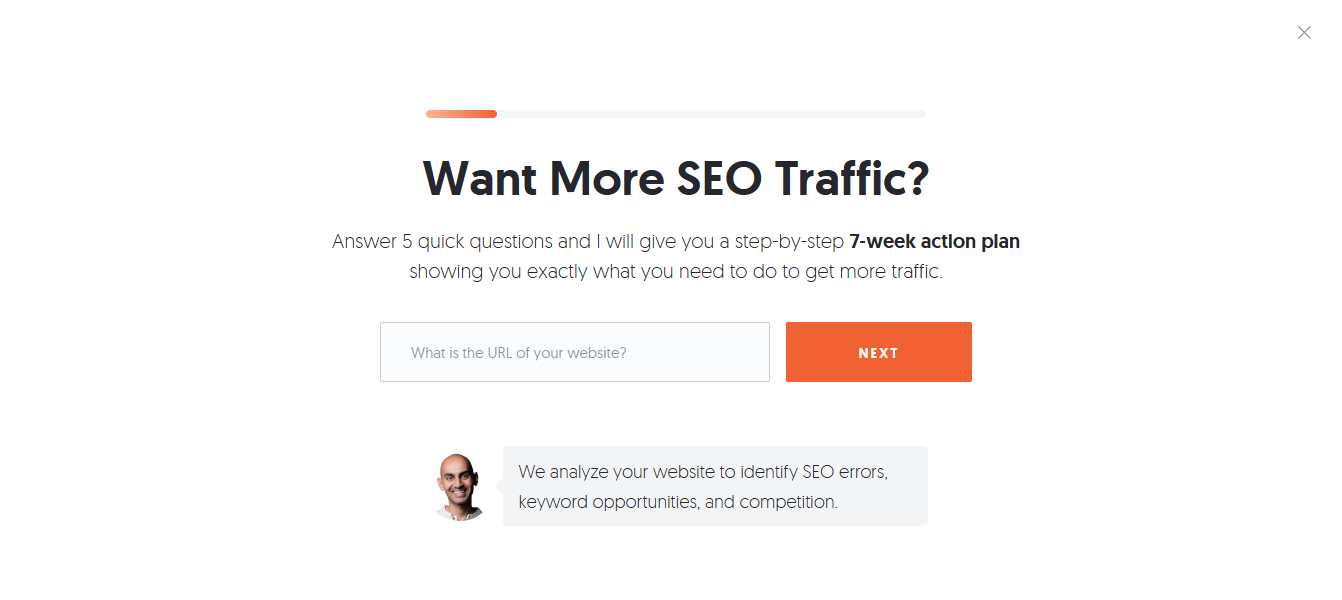
Neil Patel’s Ubersuggest has evolved into a comprehensive SEO platform while maintaining its focus on keyword research. The 2025 version includes AI-powered keyword suggestions and improved competitor analysis features.
Key Features: Keyword suggestions with search volume and difficulty scores, content ideas based on trending topics, competitor analysis, site audit capabilities, and backlink data.
Pros: Affordable pricing, user-friendly interface, good for beginners, comprehensive feature set.
Cons: Limited advanced features, smaller database than premium tools, occasional data inconsistencies.
KeywordTool.io
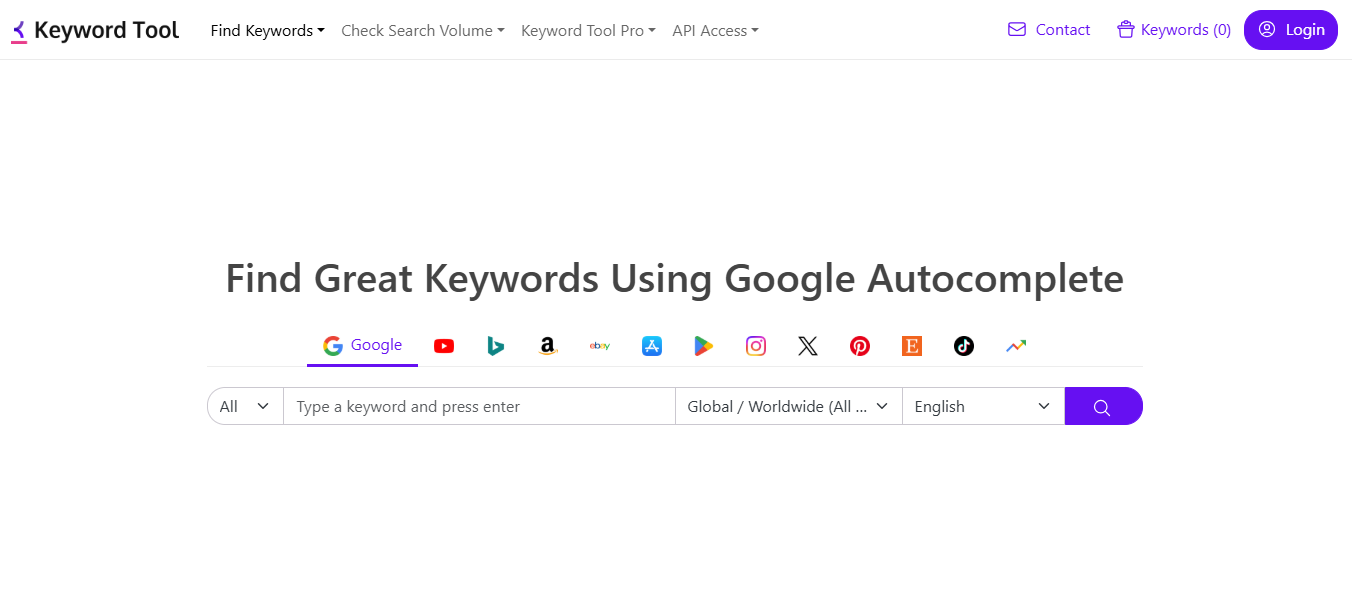
KeywordTool.io specializes in generating long-tail keyword suggestions from multiple search engines and platforms. In 2025, the tool expanded its coverage to include more international markets and social media platforms.
Key Features: Keyword suggestions from Google, YouTube, Bing, Amazon, and social platforms, long-tail keyword focus, international database coverage, API access.
Best For: Content creators, e-commerce businesses, and users focused on long-tail keyword strategies.
Long Tail Pro
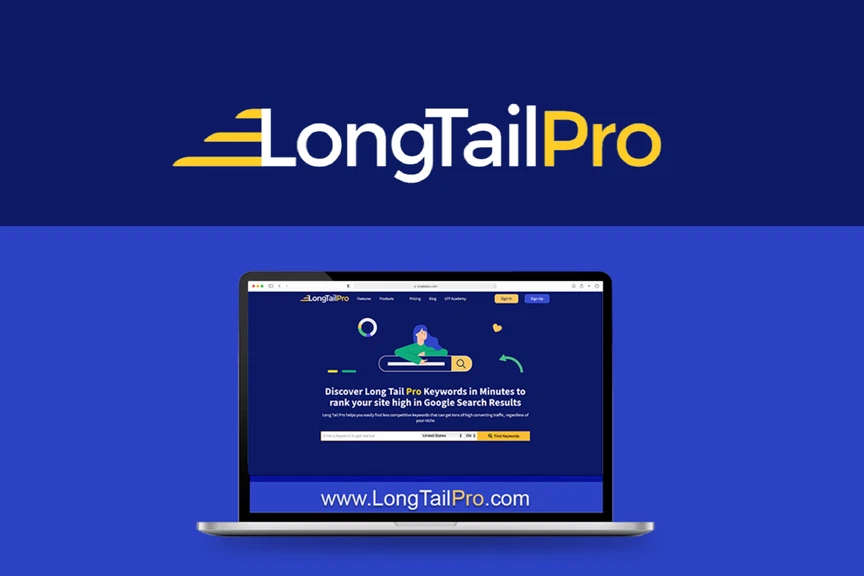
Long Tail Pro continues to focus on finding profitable long-tail keywords with low competition. The 2025 version includes improved keyword competitiveness analysis and better integration with content management systems.
Key Features: Long-tail keyword discovery, competition analysis, rank tracking, keyword competitiveness calculator, project organization tools.
Best For: Content marketers, affiliate marketers, and small businesses targeting niche markets.
Best SEO Audit & Site Analysis Tools
Screaming Frog SEO Spider (2025 Edition)
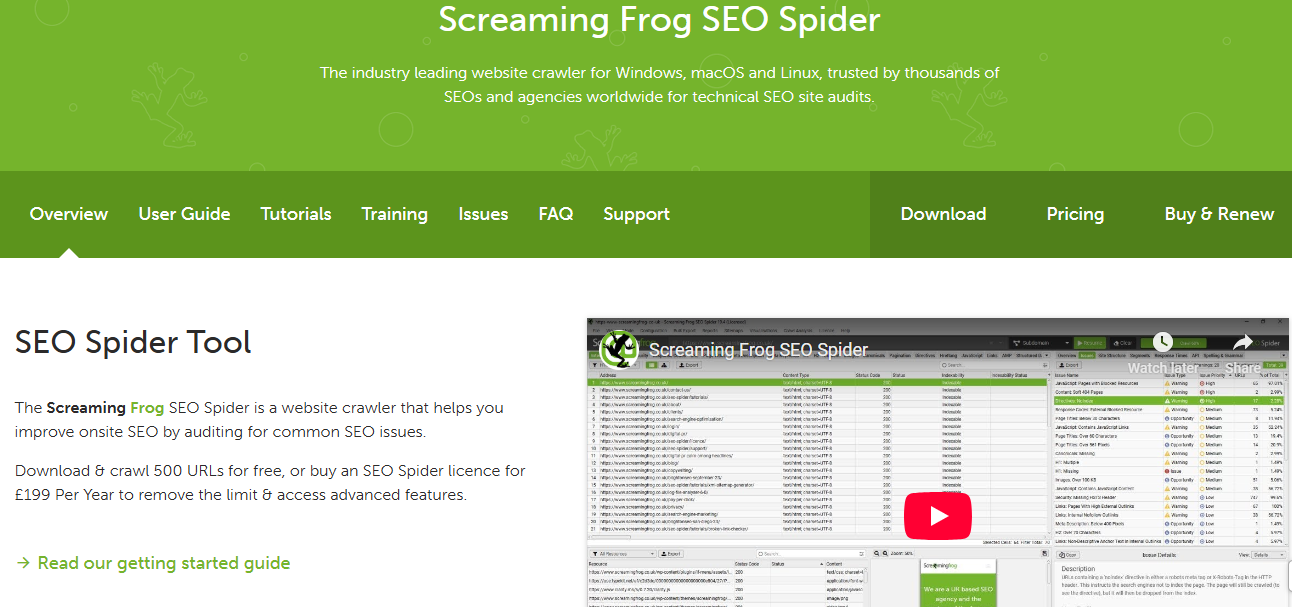
Screaming Frog remains the industry standard for technical SEO audits. The 2025 edition introduced faster crawling capabilities, enhanced JavaScript rendering, and improved integration with Google Analytics and Search Console.
New Features: Enhanced Core Web Vitals analysis, improved mobile-first indexing support, advanced schema markup validation, and better handling of single-page applications.
Key Features: Comprehensive site crawling, technical SEO issue identification, XML sitemap generation, broken link detection, duplicate content analysis.
Best For: Technical SEO specialists, web developers, and agencies performing detailed site audits.
Pros: Comprehensive technical analysis, fast crawling speed, detailed reporting, regular updates.
Cons: Steep learning curve, desktop application only, requires technical knowledge.
Sitebulb
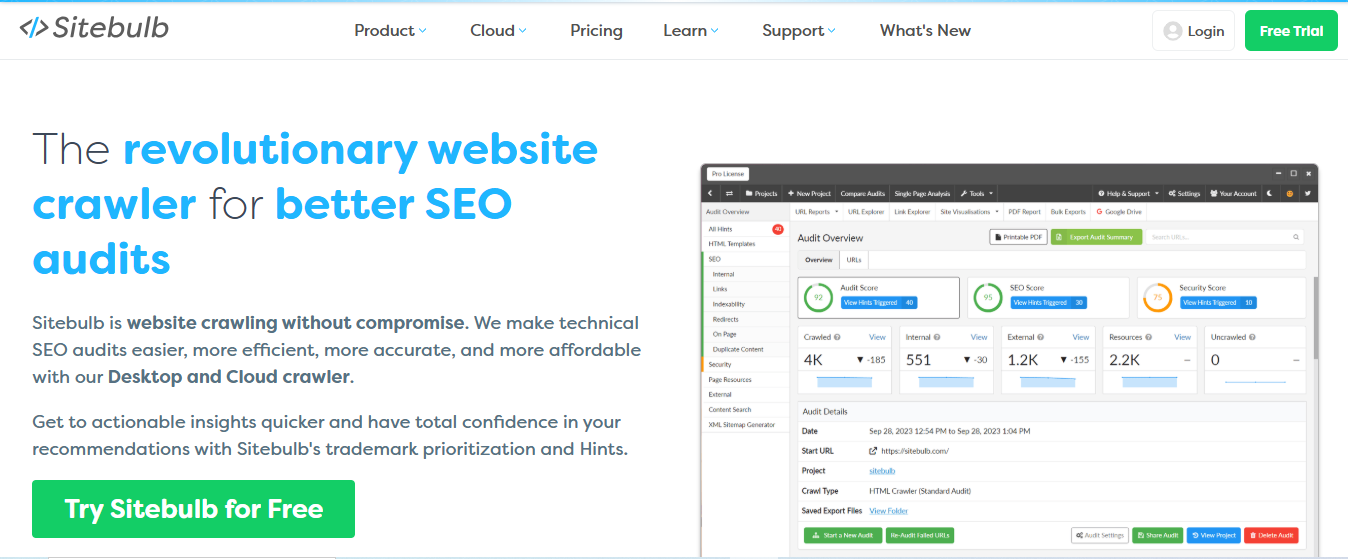
Sitebulb has gained popularity for its visual approach to technical SEO auditing. The platform provides intuitive reports that make complex technical issues easy to understand and prioritize.
Key Features: Visual site architecture analysis, priority-based issue reporting, comprehensive technical audits, integration with Google Analytics and Search Console.
Best For: Agencies, consultants, and businesses that need client-friendly technical SEO reports.
Seobility
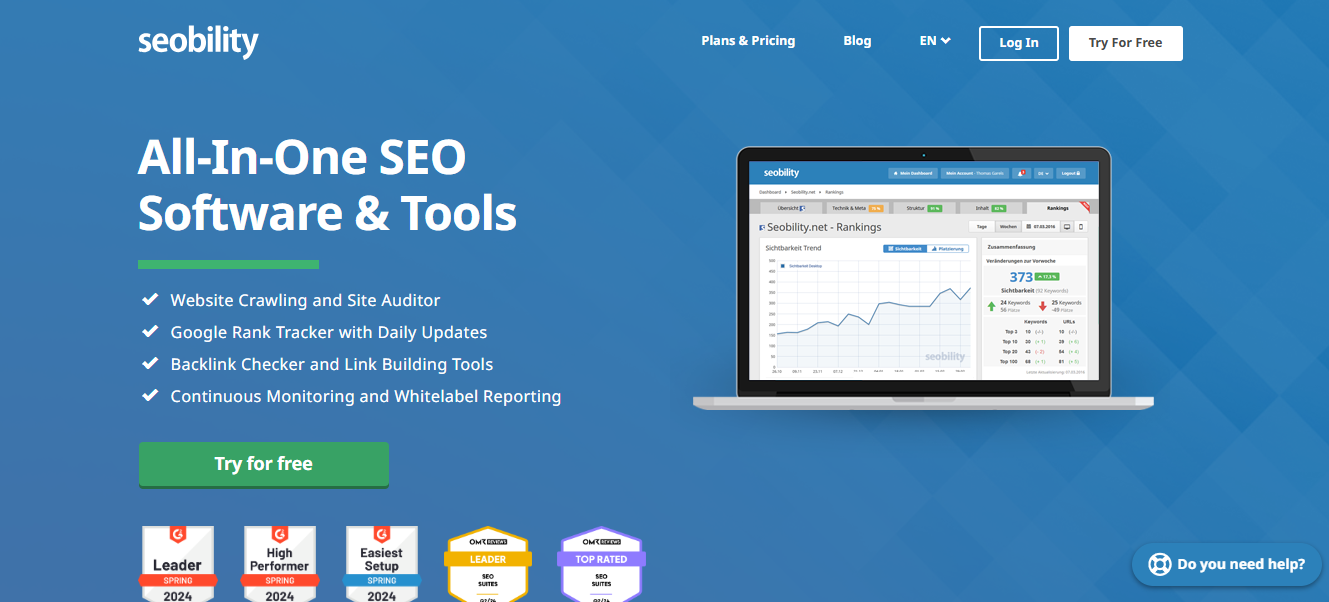
Seobility offers a cloud-based approach to SEO auditing with automated monitoring and user-friendly reporting. The platform is particularly strong in providing actionable recommendations for technical improvements.
Key Features: Automated site monitoring, technical SEO audits, keyword tracking, backlink analysis, white-label reporting.
Best For: Small to medium businesses, agencies serving SMB clients, users preferring cloud-based solutions.
Netpeak Spider
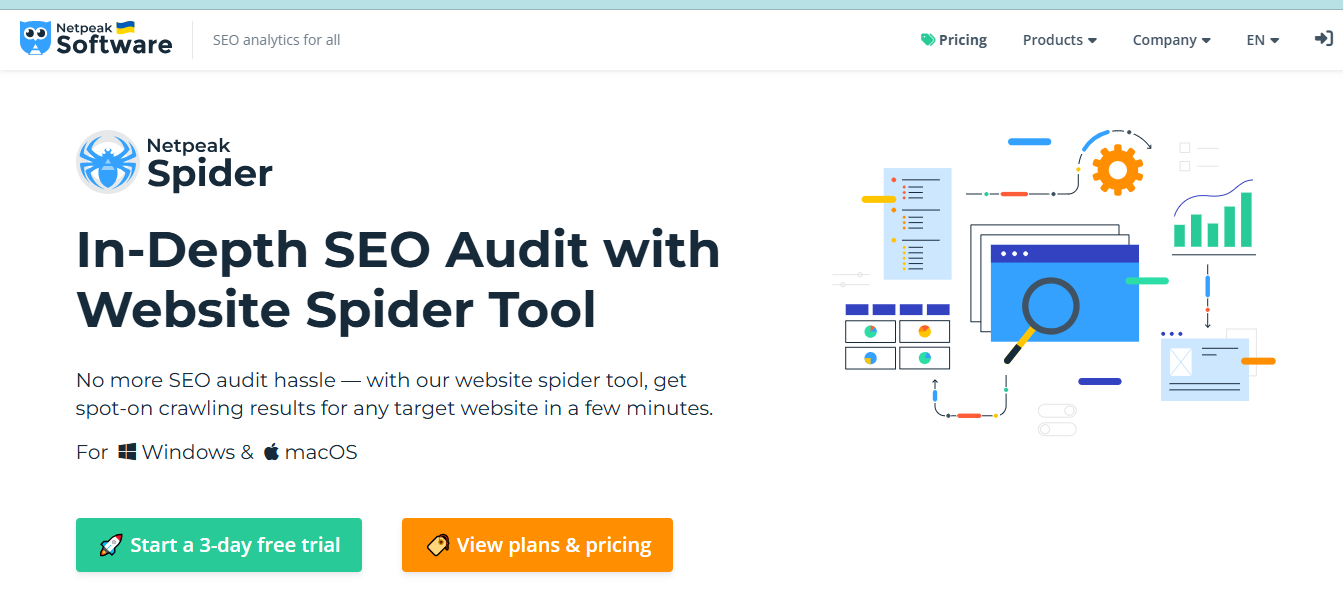
Netpeak Spider provides fast and efficient website crawling with a focus on identifying technical SEO issues. The tool offers both free and paid versions with increasing functionality.
Key Features: Fast website crawling, comprehensive technical analysis, data export capabilities, integration with Google Analytics.
Best For: SEO professionals needing quick technical audits, agencies working with multiple clients.
Best AI-Powered SEO Tools
Surfer SEO
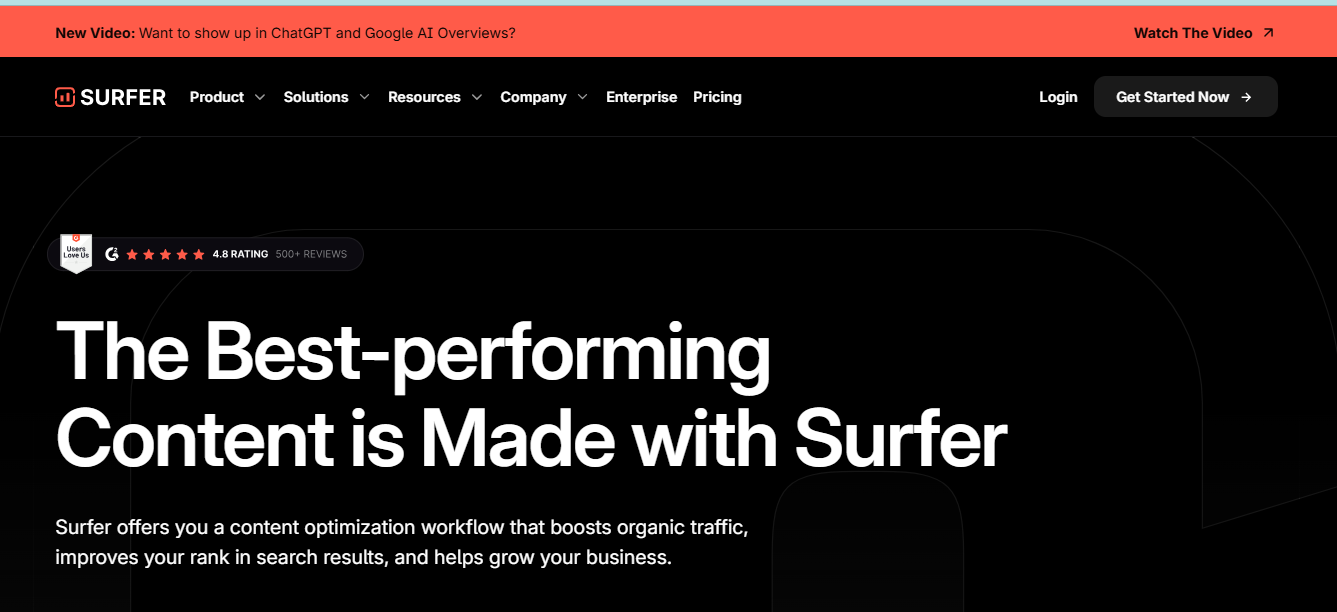
Surfer SEO has become synonymous with AI-powered content optimization. The platform uses machine learning to analyze top-ranking pages and provide specific recommendations for content improvement.
AI Features: Real-time content scoring, SERP analysis integration, keyword density optimization, content structure suggestions, NLP-based recommendations.
Key Features: Content Editor with real-time optimization, Keyword Research tool, Content Planner, SERP Analyzer, Growth Flow for content workflows.
Best For: Content marketers, agencies, and businesses focused on data-driven content optimization.
Pros: Excellent content optimization features, user-friendly interface, accurate SERP analysis, good integrations.
Cons: Limited technical SEO features, expensive for small businesses, learning curve for advanced features.
NeuronWriter
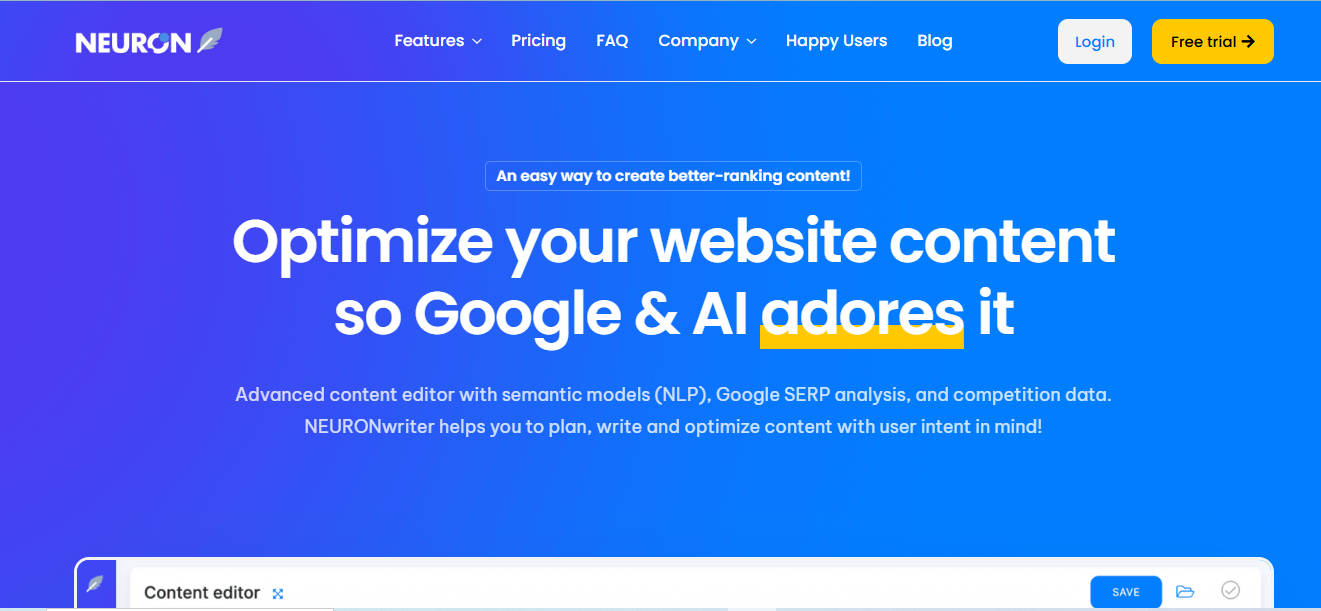
NeuronWriter combines AI writing assistance with SEO optimization, helping users create content that ranks well and reads naturally. The platform uses advanced NLP to understand user intent and content relevance.
Key Features: AI content generation, semantic SEO optimization, competitor content analysis, NLP-based recommendations, content planning tools.
Best For: Content creators, bloggers, and small businesses needing both writing assistance and SEO optimization.
Frase.io
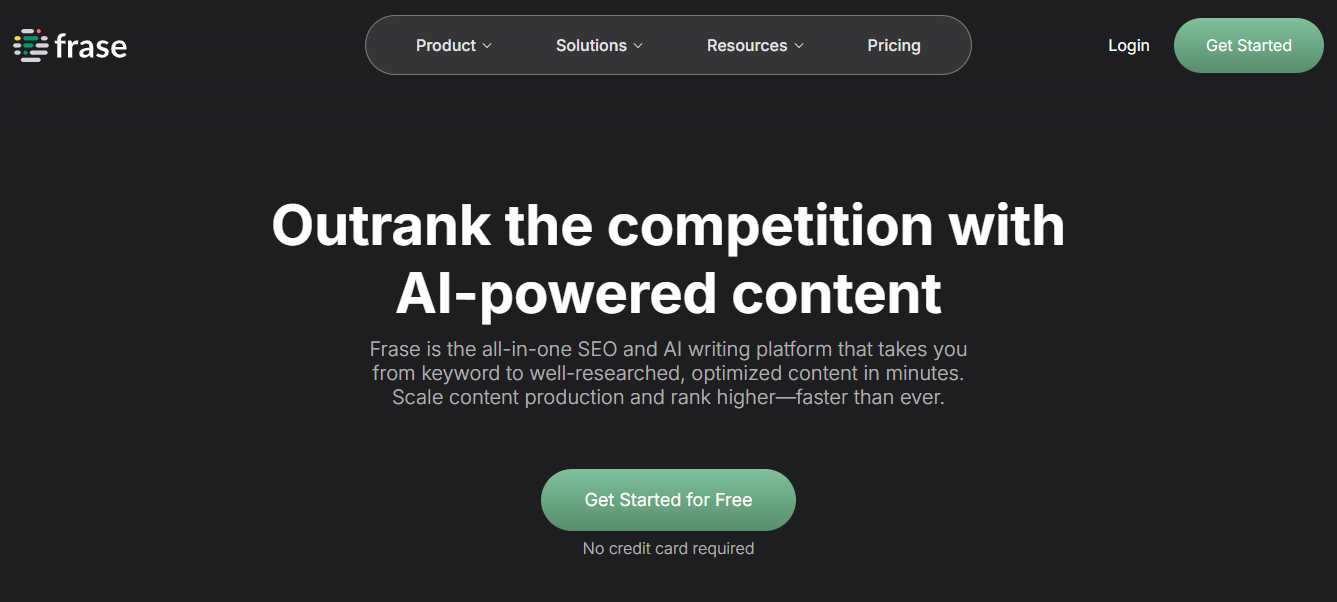
Frase.io focuses on content research and optimization using AI to analyze search results and generate content briefs. The platform excels at understanding search intent and creating comprehensive content outlines.
Key Features: Content brief generation, AI writing assistant, SERP analysis, question research, content optimization scoring.
Best For: Content marketers, agencies, and businesses creating comprehensive, research-driven content.
MarketMuse
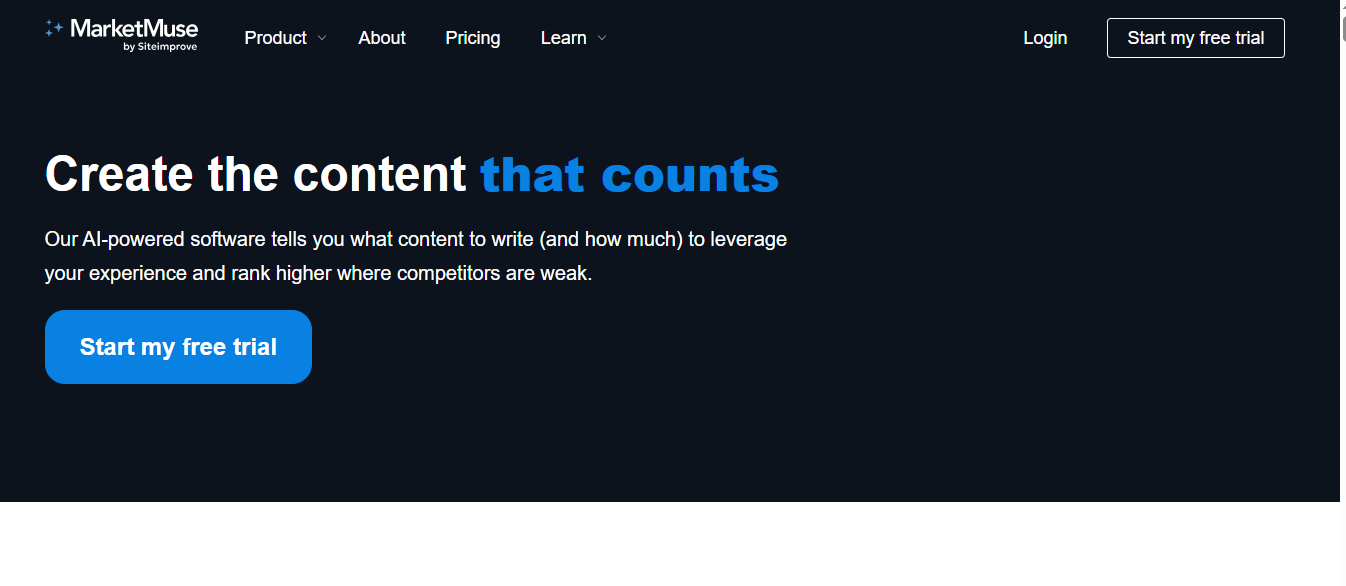
MarketMuse uses AI to help businesses build topical authority by identifying content gaps and optimization opportunities across entire websites.
Key Features: Content gap analysis, topical authority building, AI content planning, competitive content analysis, content scoring.
Best For: Enterprise businesses, content teams focused on building comprehensive topical coverage.
Best Rank Tracking Tools
AccuRanker
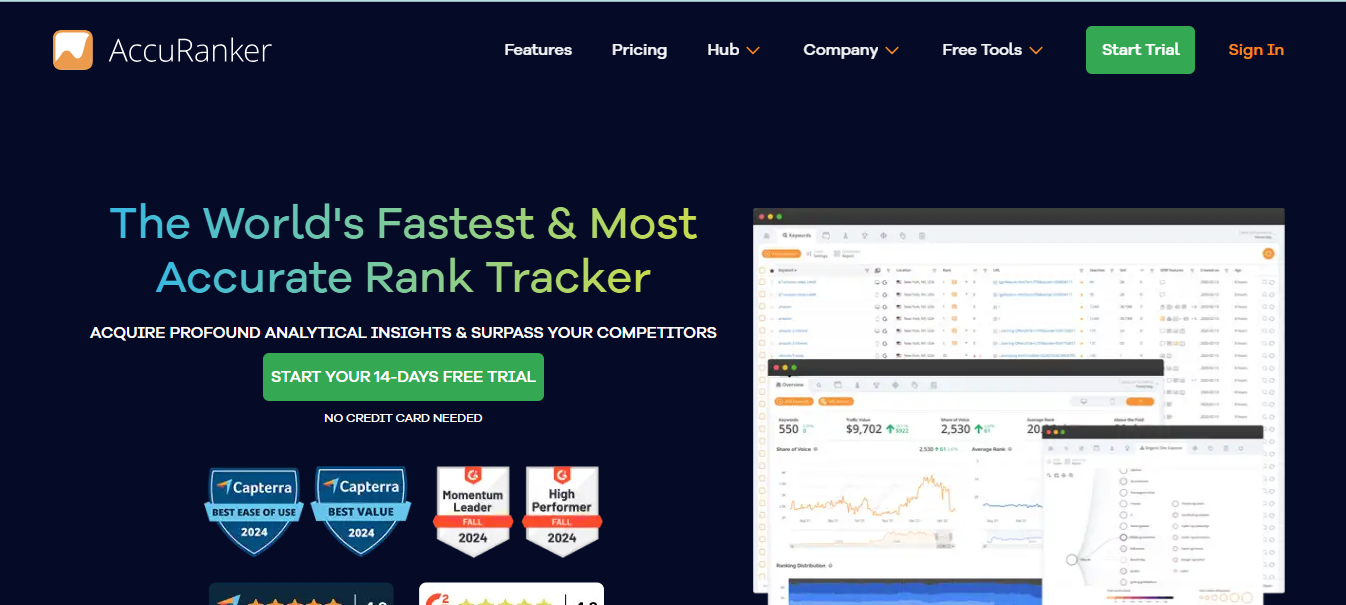
AccuRanker is known for its speed and accuracy in rank tracking, providing near real-time updates on keyword positions across multiple search engines and locations.
Key Features: Fast rank updates, local rank tracking, competitor monitoring, white-label reporting, API access, mobile rank tracking.
Best For: Agencies, SEO professionals needing accurate rank data, businesses tracking large keyword sets.
Pros: Very fast updates, accurate data, excellent customer support, good API.
Cons: Limited additional SEO features, expensive for large keyword sets.
SE Ranking
SE Ranking provides comprehensive rank tracking along with additional SEO tools, making it a good all-in-one solution for small to medium businesses.
Key Features: Rank tracking, website audit, backlink monitoring, competitor analysis, social media management, white-label options.
Best For: Small to medium agencies, businesses wanting multiple SEO tools in one platform.
Nightwatch
Nightwatch focuses on providing detailed rank tracking insights with a strong emphasis on local SEO and mobile rankings.
Key Features: Local rank tracking, mobile-first indexing support, competitor monitoring, automated reporting, API access.
Best For: Local businesses, agencies serving local clients, mobile-focused SEO campaigns.
Rank Tracker by SEO PowerSuite
Part of the SEO PowerSuite toolkit, Rank Tracker offers unlimited keyword tracking with a focus on providing comprehensive ranking data.
Key Features: Unlimited keyword tracking, 23 keyword research tools, competitor analysis, custom reporting, scheduling options.
Best For: Businesses tracking large numbers of keywords, users wanting unlimited tracking capabilities.
Best Link Building & Backlink Analysis Tools
Linkody
Linkody specializes in backlink monitoring and outreach, providing tools to track link building campaigns and monitor competitor backlink strategies.
Key Features: Backlink monitoring, link prospecting, outreach campaign management, competitor analysis, disavow file generation.
Best For: Link building specialists, agencies focused on off-page SEO, businesses with active link building campaigns.
BuzzStream
BuzzStream combines relationship management with outreach tools, helping users build and maintain relationships with influencers and website owners.
Key Features: Contact management, email outreach automation, relationship tracking, campaign management, team collaboration tools.
Best For: PR professionals, content marketers, agencies managing large outreach campaigns.
Monitor Backlinks
Monitor Backlinks provides simple yet effective backlink monitoring with automated alerts for new and lost links.
Key Features: Backlink monitoring, competitor analysis, link alerts, disavow file creation, keyword rank tracking.
Best For: Small businesses, individual SEO practitioners, users wanting simple backlink monitoring.
Majestic SEO
Majestic remains one of the largest backlink databases available, providing detailed link analysis and metrics for comprehensive backlink research.
Key Features: Massive backlink database, Trust Flow and Citation Flow metrics, bulk backlink analysis, historical data, API access.
Best For: SEO professionals needing comprehensive backlink data, agencies performing detailed link analysis.
Best Local SEO Tools
BrightLocal
BrightLocal is the leading platform for local SEO management, providing comprehensive tools for multi-location businesses and local SEO agencies.
Key Features: Local rank tracking, citation building and management, review management, local SEO audits, Google My Business optimization, reporting tools.
Best For: Local businesses, multi-location companies, agencies specializing in local SEO.
Whitespark
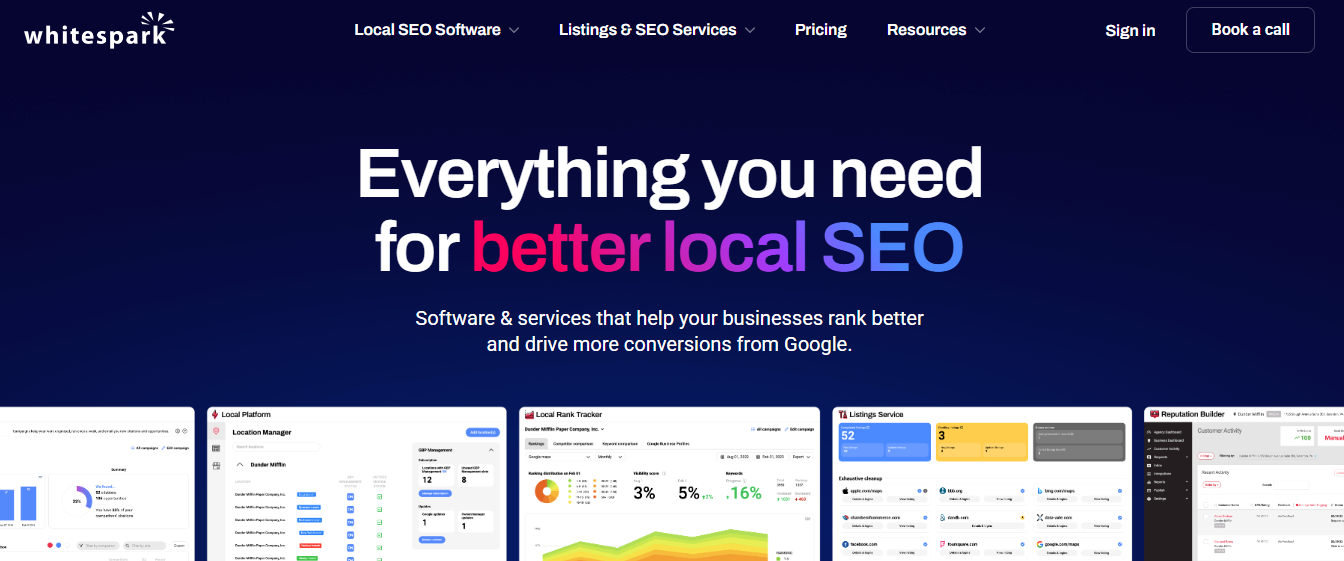
Whitespark focuses on local citation building and management, helping businesses improve their local search visibility through consistent NAP (Name, Address, Phone) information.
Key Features: Citation building, local rank tracking, reputation management, Google My Business tools, competitor analysis.
Best For: Local businesses, service-based companies, agencies managing local SEO campaigns.
Yext
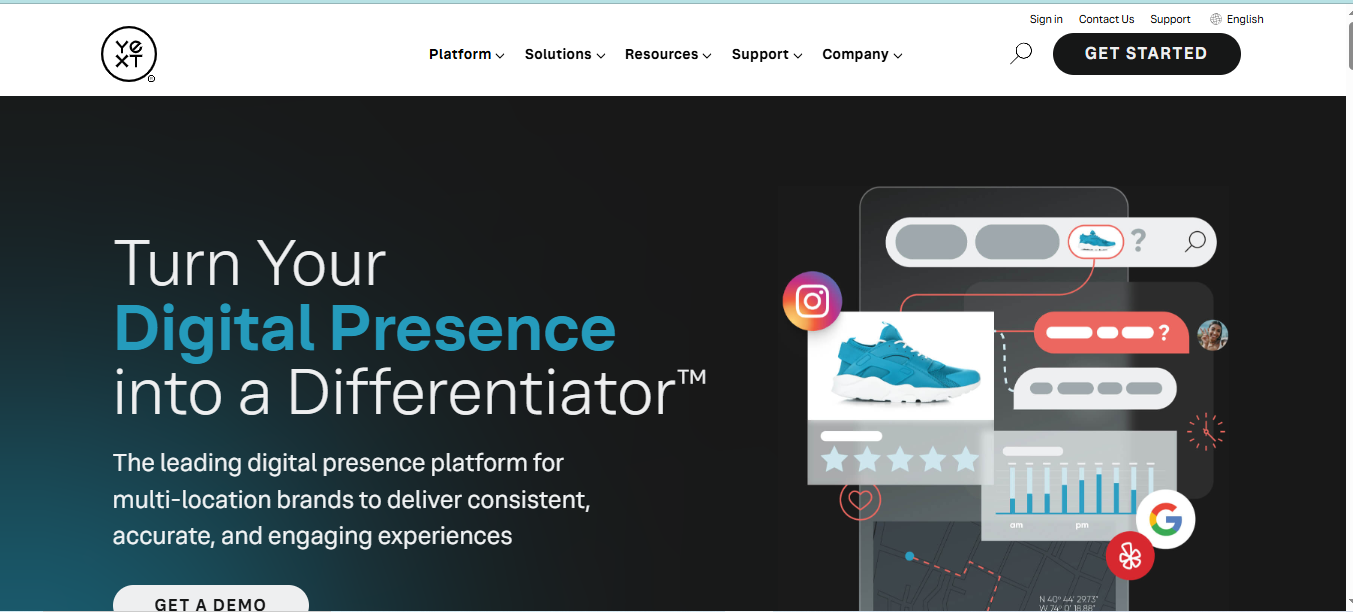
Yext provides a comprehensive platform for managing business listings across multiple directories and platforms, ensuring consistent business information everywhere.
Key Features: Listing management across 150+ directories, review monitoring, analytics and insights, social posting, knowledge management.
Best For: Enterprise businesses, multi-location companies, businesses needing extensive listing management.
Moz Local
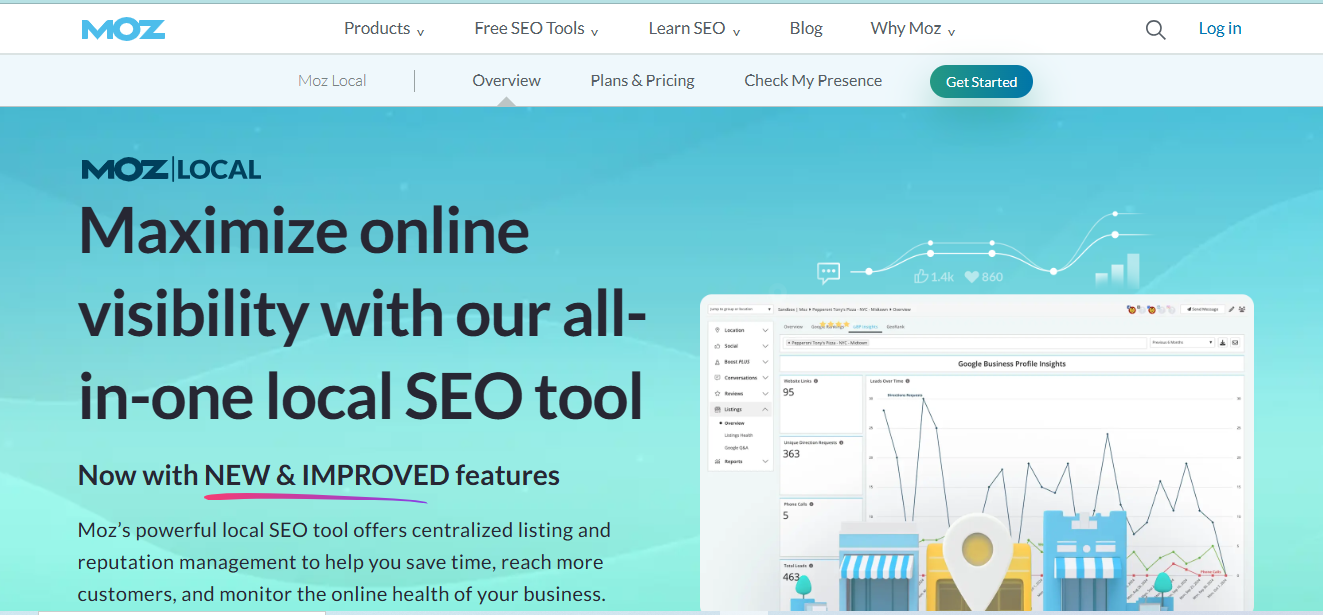
Moz Local helps businesses manage their online presence across local search platforms, focusing on consistency and accuracy of business information.
Key Features: Listing management, duplicate listing identification, review monitoring, local SEO insights, integration with Moz Pro.
Best For: Small to medium businesses, users already using other Moz products, businesses starting with local SEO.
Best Free SEO Tools (2025 Edition)
Google Search Console (Updated Features)
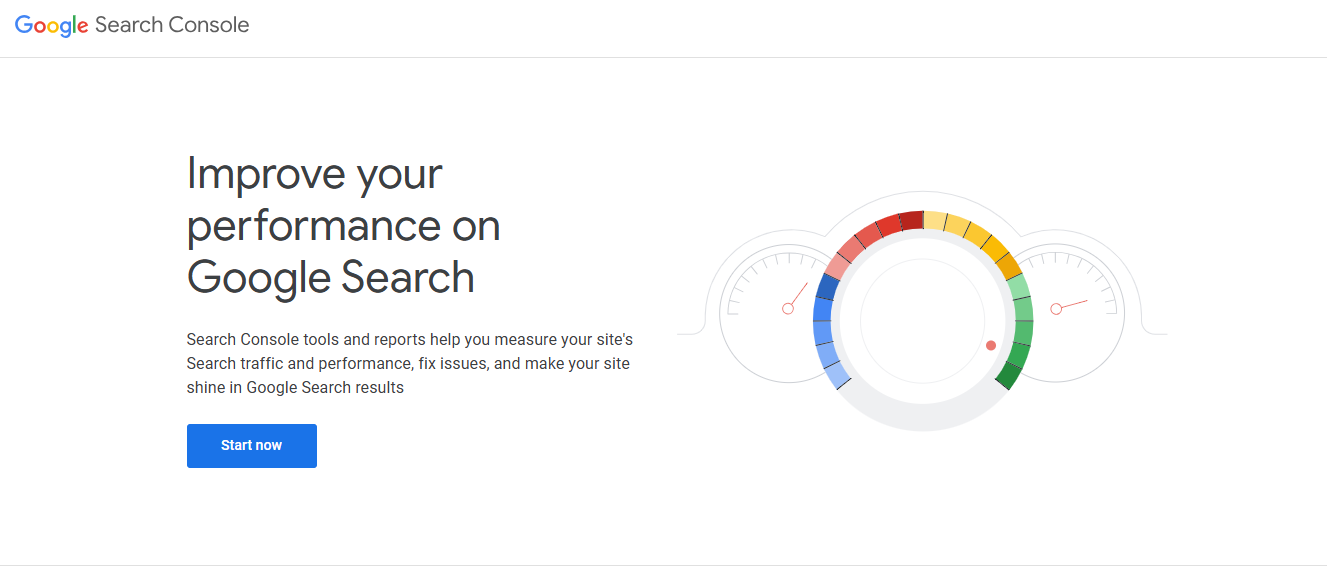
Google Search Console remains the most important free SEO tool, providing direct insights from Google about website performance and issues.
2025 Updates: Enhanced Core Web Vitals reporting, improved mobile usability insights, better indexing status reports, expanded rich results testing.
Key Features: Search performance data, indexing status monitoring, sitemap submission, mobile usability testing, Core Web Vitals reporting.
Google Trends
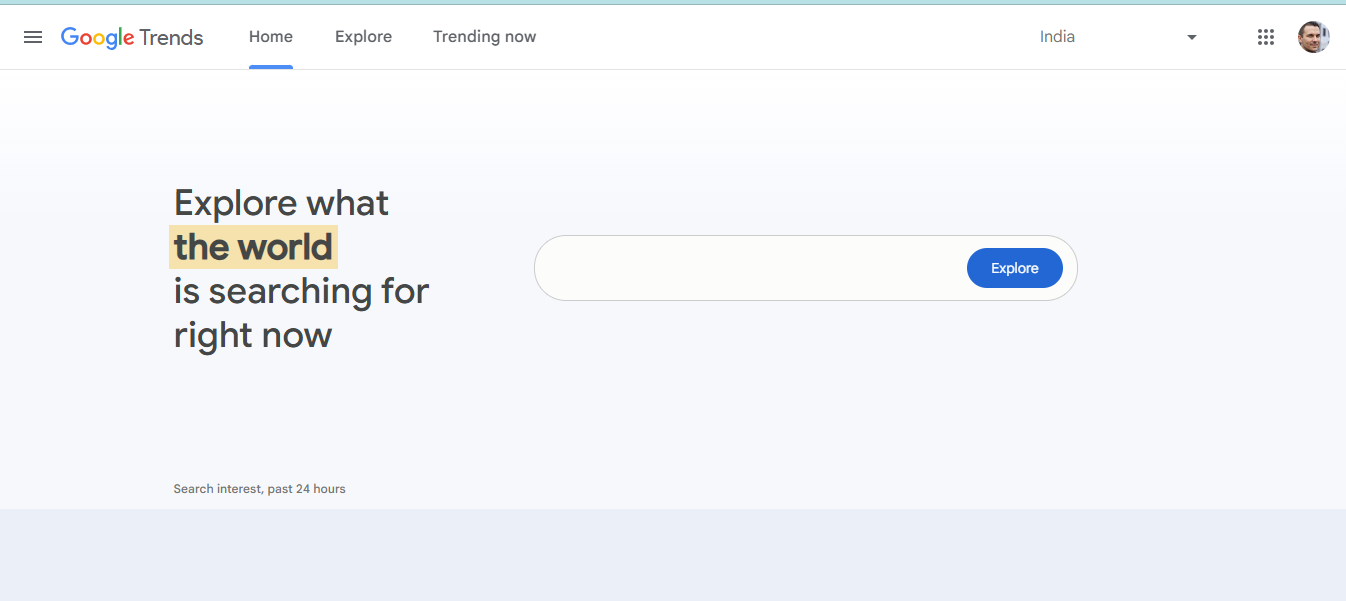
Google Trends helps identify trending topics and seasonal search patterns, making it invaluable for content planning and keyword research.
Key Features: Trending search queries, seasonal trend analysis, regional interest data, related topics and queries, real-time search trends.
AnswerThePublic

AnswerThePublic visualizes search questions and autocomplete data, helping content creators understand what people are asking about specific topics.
Key Features: Question-based keyword research, visual data presentation, content idea generation, comparison data, trend analysis.
Bing Webmaster Tools
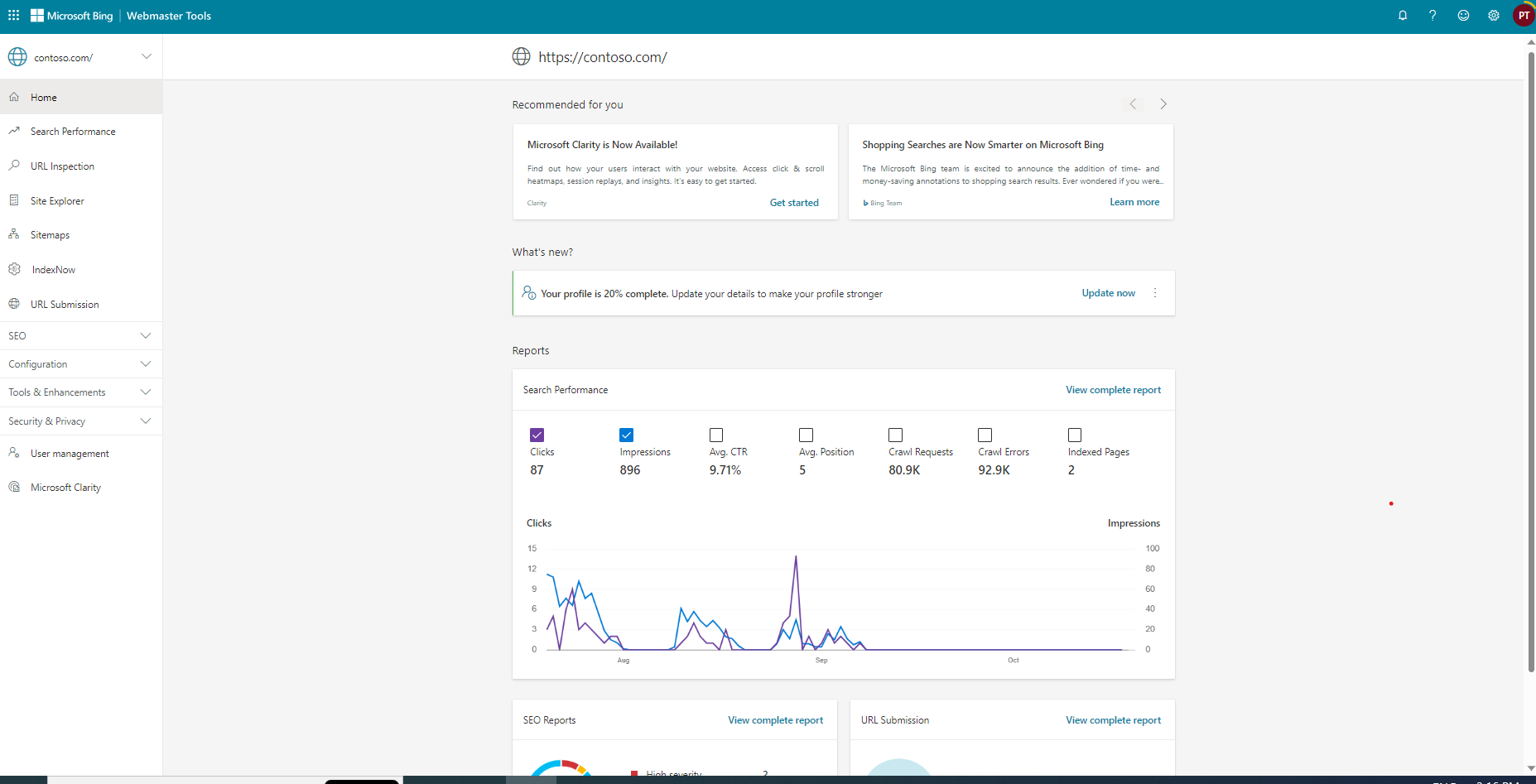
Bing Webmaster Tools provides insights into how Bing views and indexes websites, offering an alternative perspective to Google-focused tools.
Key Features: Site performance data, crawl information, keyword research tool, SEO analyzer, backlink data.
ChatGPT for SEO
AI language models like ChatGPT have become valuable for SEO tasks including content ideation, meta description writing, and keyword research assistance.
Use Cases: Content brainstorming, meta tag creation, FAQ generation, content outline development, keyword variation suggestions.
SEO Tools by Use Case
Best for eCommerce SEO
Specialized eCommerce Features: Product schema markup, category optimization, product description analysis, competitor price monitoring, abandoned cart SEO.
Top Picks: SEMrush (comprehensive competitor analysis), Ahrefs (content gap analysis), Screaming Frog (technical audits for large catalogs).
Best for Bloggers/Content Creators
Key Features Needed: Content optimization, keyword research, readability analysis, content planning, social media integration.
Top Picks: Surfer SEO (content optimization), Ubersuggest (affordable keyword research), Yoast SEO (WordPress integration).
Best for Agencies
Agency-Specific Needs: White-label reporting, client management, scalable pricing, multiple project management, automated reporting.
Top Picks: SEMrush (comprehensive platform), BrightLocal (local SEO), SE Ranking (white-label options).
Best for YouTube/Video SEO
Video SEO Features: YouTube keyword research, video optimization, thumbnail testing, competitor analysis, trend identification.
Top Picks: TubeBuddy, VidIQ, KeywordTool.io (YouTube suggestions), Google Trends (video trends).
How to Choose the Right SEO Tool for You
Selecting the right SEO tool depends on several critical factors that align with your specific needs and circumstances:
Budget Considerations: Determine your monthly SEO tool budget and compare it against the value provided. Consider the cost per feature and whether you’ll actually use all available functionality. Many tools offer significant discounts for annual payments.
Team Size and Collaboration: Larger teams need tools with collaboration features, user management, and shared reporting capabilities. Solo practitioners might prioritize ease of use over collaboration features.
Experience Level: Beginners should focus on tools with educational resources, guided workflows, and intuitive interfaces. Advanced users might prefer tools with comprehensive APIs and customization options.
Business Goals: Align tool selection with your primary SEO objectives. Technical SEO requires different tools than content marketing or local SEO.
Integration Requirements: Consider how the tool will integrate with your existing marketing stack, content management system, and analytics platforms.
Trial Periods and Support: Take advantage of free trials to test functionality and evaluate customer support quality before committing to annual plans.
Future Trends in SEO Tool Development
The SEO tool landscape continues evolving rapidly, driven by advances in artificial intelligence and changing search engine algorithms:
AI and Machine Learning Integration: Future SEO tools will provide more sophisticated predictive analytics, automated optimization recommendations, and intelligent content suggestions. Machine learning will help tools better understand user intent and content relevance.
Automation in Content Creation: Advanced AI will handle more content creation tasks, from generating meta descriptions to creating entire articles based on keyword targets and competitor analysis.
Voice Search Optimization: As voice search grows, tools will develop specialized features for optimizing content for conversational queries and featured snippets.
Real-Time SERP Updates: SEO tools will provide increasingly real-time data about search result changes, helping users respond quickly to algorithm updates and competitive moves.
Enhanced Visual Search: With the growth of visual search, tools will develop features for image optimization, visual content analysis, and visual search ranking tracking.
Conclusion
The SEO tool landscape in 2025 offers unprecedented sophistication and capability for businesses of all sizes. From comprehensive all-in-one platforms like SEMrush and Ahrefs to specialized solutions like Surfer SEO and BrightLocal, there’s a tool for every SEO need and budget.
The key to success lies not in using every available tool, but in selecting the right combination that aligns with your specific goals, budget, and expertise level. Start with foundational tools like Google Search Console and Google Analytics, then add specialized tools as your SEO strategy becomes more sophisticated.
Remember that tools are only as effective as the strategy behind them. The best SEO results come from combining powerful tools with solid SEO knowledge, consistent execution, and continuous learning. Stay updated with SEO trends, test different approaches, and don’t be afraid to experiment with new tools as they emerge.
As the SEO landscape continues evolving, the most successful practitioners will be those who adapt their tool stack to meet changing requirements while maintaining focus on creating valuable, user-focused content and experiences.
Frequently Asked Questions
Can I use multiple SEO tools together?
Absolutely! Most SEO professionals use a combination of tools to cover different aspects of their strategy. For example, you might use Ahrefs for backlink analysis, Surfer SEO for content optimization, and Google Search Console for technical monitoring. The key is avoiding redundant tools and ensuring each tool serves a specific purpose in your workflow.
Are free SEO tools enough for small businesses?
Free tools can provide a solid foundation for small businesses just starting with SEO. Google Search Console, Google Analytics, and Google Keyword Planner offer substantial functionality at no cost. However, as your business grows and competition increases, paid tools become necessary for more advanced analysis and competitive intelligence.
What’s the best AI SEO tool in 2025?
Surfer SEO leads in AI-powered content optimization, while MarketMuse excels in topical authority building. The “best” AI tool depends on your specific needs: content optimization, keyword research, or comprehensive strategy development. Most modern SEO tools incorporate AI features, so consider the overall platform rather than just AI capabilities.
How often should I audit my site?
Perform comprehensive technical audits quarterly, with monthly check-ins for critical issues. Monitor Core Web Vitals and mobile usability monthly, and conduct content audits every six months. High-traffic sites or those undergoing major changes should audit more frequently. Use automated monitoring tools to catch issues between manual audits.
 About Carson Derrow
