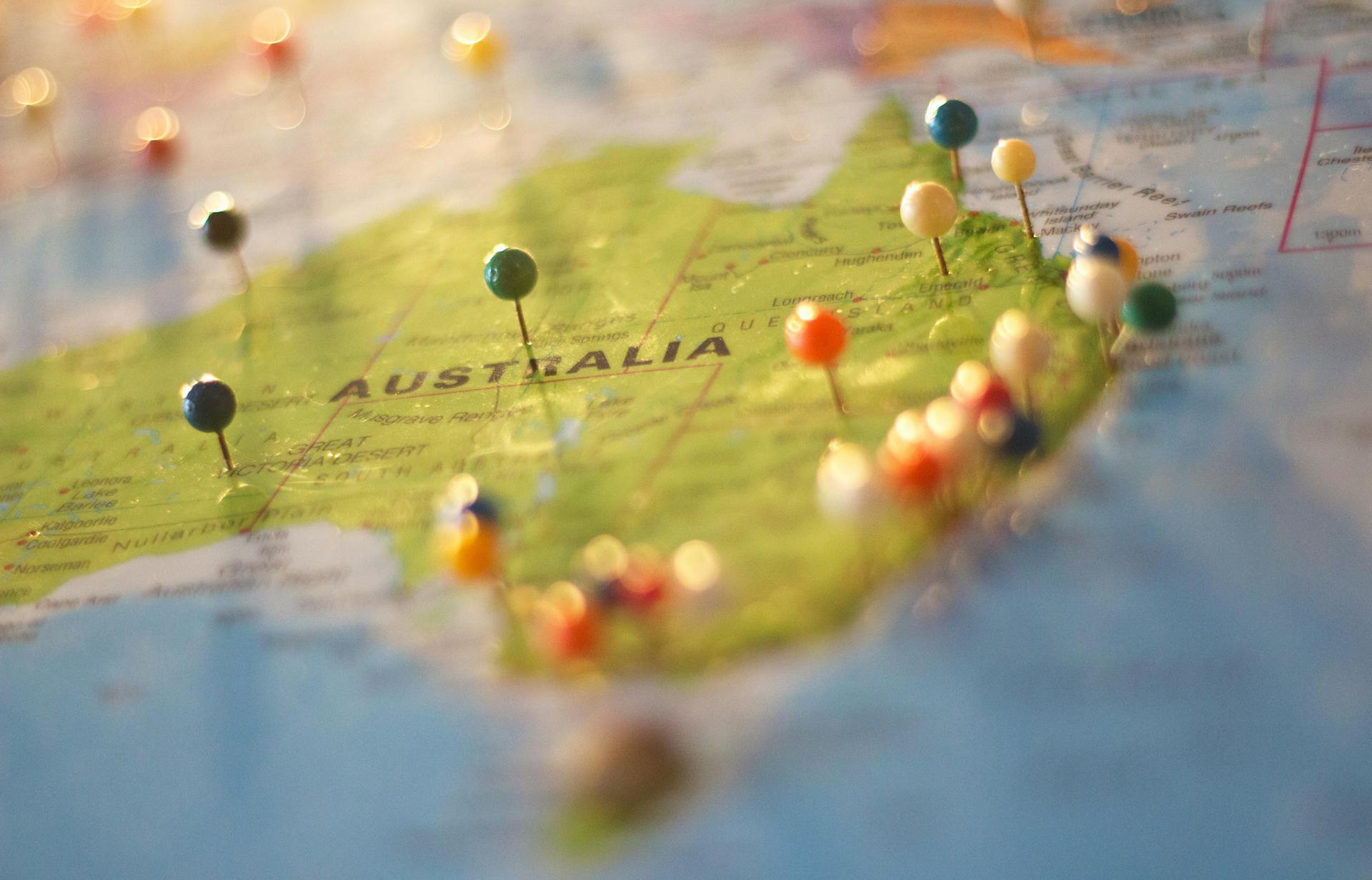
Australia offers vast landscapes, unique wildlife, and diverse cultural experiences. From the Great Barrier Reef to the outback, every corner holds a new adventure. But for first-time visitors, certain oversights can disrupt the journey and lead to unexpected problems. A little planning and awareness can go a long way in ensuring a smooth trip. This article highlights six common travel mistakes and how to avoid them.
Table of Contents
1. Underestimating the Size of the Country
Many travelers look at a map and assume they can cover multiple cities in a few days. In reality, traveling between major cities like Sydney, Melbourne, and Perth can take several hours by flight. Road trips may span days and cover thousands of kilometers.
Instead of cramming too much into one itinerary, focus on exploring one or two regions thoroughly. For example, choose a coastal city and nearby national parks or islands. Use online route planners and digital tools to estimate travel time accurately. Staying connected through a travel-friendly Australia data esim allows access to live maps and road conditions even in remote areas.
2. Ignoring Local Weather Variations
Australia experiences diverse climates. Northern areas, such as Darwin, remain tropical year-round, while southern regions, like Melbourne, can be cold and rainy during the winter months. Assuming uniform weather across the country can lead to packing errors or discomfort during activities.
Always check local forecasts for each destination and pack accordingly. Include sunscreen and breathable clothing for hot days, as well as layers or rain jackets for cooler climates. Lightweight clothing with sun protection features is ideal for beach destinations. A compact umbrella is also useful, as coastal zones can experience sudden showers.
3. Not Understanding Local Rules and Etiquette
Australia has strict rules about wildlife protection, quarantine regulations, and public behavior. Bringing certain food items, plants, or even muddy shoes into the country may attract fines due to biosecurity laws. Feeding wildlife or straying off designated paths in national parks can also result in penalties.
Travelers should review customs regulations and local etiquette before arrival. Respect for indigenous culture, clear signage in natural reserves, and effective water conservation practices are essential. Public spaces often have visible rules posted, and non-compliance can lead to warnings or fines.
4. Not Staying Connected with a Reliable Mobile Solution
Australia’s urban centers have strong connectivity, but rural or remote zones may have limited service. First-time travelers often arrive without a functioning mobile plan or rely on costly roaming options. This leads to communication gaps, navigation issues, or trouble accessing digital bookings.
A more reliable and economical solution is the Australia data eSIM for tourists, which provides immediate access to mobile data without the need for physical SIM cards. Travelers can set it up before departure or as soon as they land. With this setup, tasks like locating a hotel, translating street signs, or booking tickets become easier and quicker. It also helps avoid long lines at airport kiosks or local retailers.
5. Skipping Travel Insurance and Health Essentials
Some travelers assume they can rely on national healthcare, not realizing that Australia’s public system does not extend coverage to all visitors. Without insurance, emergency treatment or hospitalization can become financially burdensome. Accidents such as sunburn, insect bites, or water injuries are not uncommon for first-time tourists unfamiliar with the environment.
Purchasing travel insurance that covers medical needs, delays, and cancellations adds an extra layer of protection. Carrying a basic health kit with insect repellent, motion sickness tablets, and prescription medication can also be beneficial. Additionally, storing digital copies of medical documents and insurance papers on a secure cloud can help in emergencies, especially when accessible via mobile internet.
6. Relying Too Heavily on Cash or Foreign Cards
While credit cards are accepted in most urban centers, some rural towns, taxis, or smaller restaurants prefer cash or local payment methods. First-time travelers might find themselves stranded if their cards are declined or ATMs are scarce. It’s wise to carry some local currency and activate contactless payment methods compatible with Australian systems.
Digital wallets linked to a stable internet connection can support secure transactions across various outlets. Currency exchange services are available at airports, major train stations, and city centers for added convenience. Travelers should also notify their banks of international travel to prevent card blocks due to suspected fraud.
Conclusion
Traveling to Australia for the first time can be a memorable and rewarding experience, provided the journey is approached with preparation and awareness. Choosing tools like an Australia data esim and respecting local customs can lead to a smoother and more fulfilling visit. Australia’s natural wonders and vibrant cities await, and with the proper planning, first-time travelers can explore with ease and confidence. With thoughtful choices and reliable tools, every moment in Australia can become part of an unforgettable travel story.


