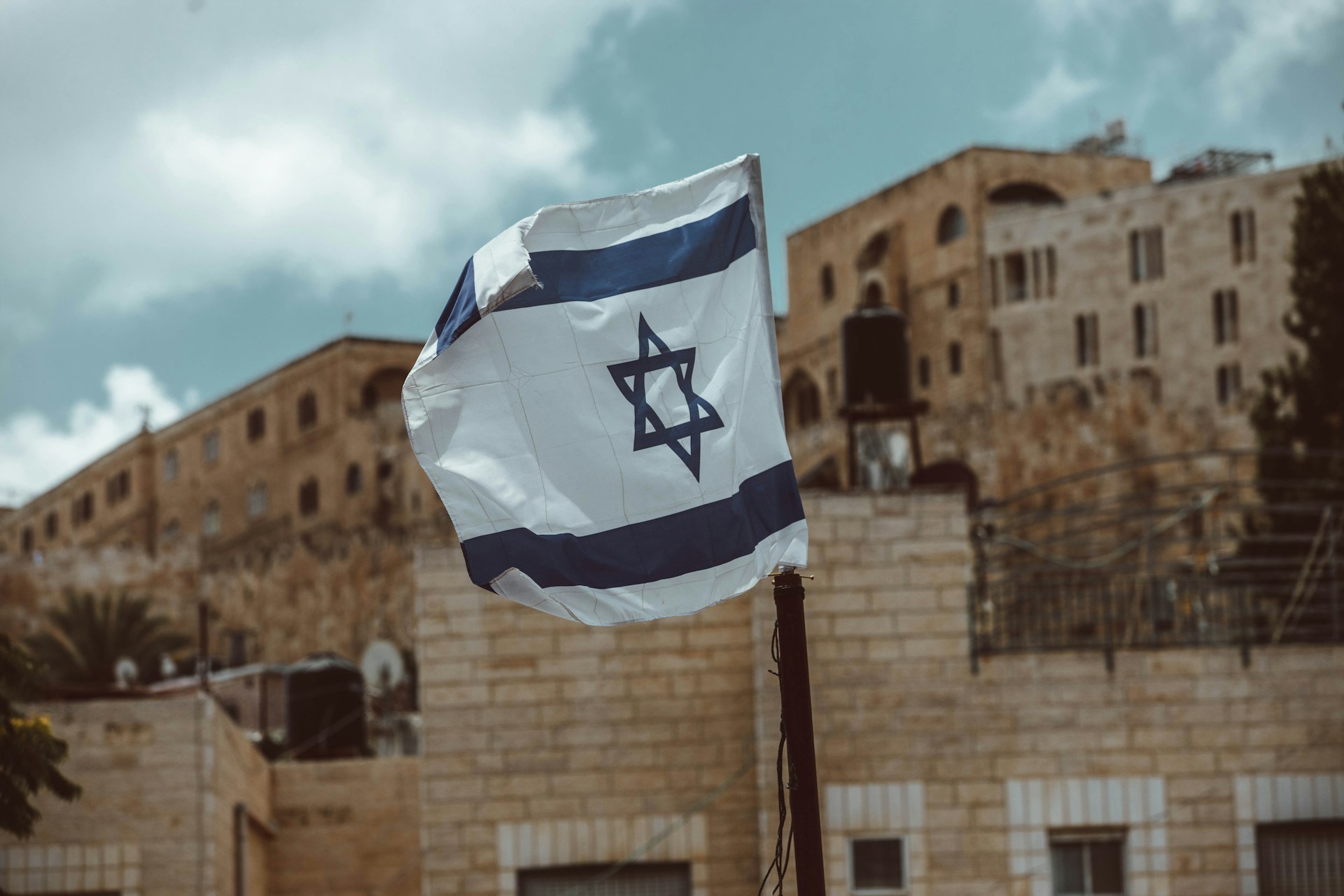
Israel stands as a spiritual crossroads where three major world religions converge, creating a landscape rich with sacred sites and profound historical significance. For millions of believers worldwide, this small Middle Eastern nation represents the physical manifestation of their faith’s most pivotal moments. Whether you’re planning a pilgrimage or simply exploring the world’s most important religious destinations, understanding Israel’s sacred geography offers invaluable context for any spiritual journey.
Table of Contents
Jerusalem: The Heart of Three Faiths
Jerusalem holds an unparalleled position as the only city considered holy by Judaism, Christianity, and Islam simultaneously. The Old City, divided into four quarters, contains more religious significance per square foot than perhaps anywhere else on Earth. Walking through its ancient stone streets feels like stepping directly into the pages of sacred texts.
The Western Wall, Temple Mount, Church of the Holy Sepulchre, and Dome of the Rock all exist within minutes of each other. This concentration of sacred sites creates an atmosphere unlike anywhere else, where the spiritual weight of millennia seems to hang in the air. For visitors seeking authentic religious experiences, Jerusalem remains the essential starting point.
The Church of the Holy Sepulchre
This ancient church marks what Christian tradition identifies as the site of Jesus’s crucifixion, burial, and resurrection. Built in the 4th century and rebuilt multiple times since, the church serves as the most important pilgrimage destination in Christianity. Its interior houses numerous chapels and shrines, each maintained by different Christian denominations.
The experience of visiting can be overwhelming, with pilgrims from around the world gathering to pray, sing, and reflect. The Stone of Anointing, where Jesus’s body was traditionally prepared for burial, and the Aedicule containing the tomb itself draw particularly intense devotion. Many Israel christian tours prioritize extended time here, recognizing its central importance to Christian faith.
Bethlehem and the Church of the Nativity
Just south of Jerusalem, Bethlehem holds profound significance as the traditional birthplace of Jesus. The Church of the Nativity, one of Christianity’s oldest continuously operating churches, stands over the grotto where Mary is believed to have given birth. The church’s low entrance, known as the Door of Humility, requires visitors to bow as they enter.
Manger Square and the surrounding area blend ancient religious sites with modern Palestinian culture. The juxtaposition of devotional spaces with everyday life reminds visitors that these sacred locations exist within living communities. Bethlehem’s proximity to Jerusalem makes it an essential addition to any faith-based itinerary.
Nazareth and the Galilee Region
Nazareth, where Jesus spent his childhood and early adulthood, offers visitors a glimpse into the environment that shaped his ministry. The Basilica of the Annunciation, built over the traditional site where Mary received the angel’s message, ranks among the Middle East’s largest churches. Its modern architecture incorporates artistic contributions from Catholic communities worldwide.
The surrounding Galilee region contains numerous sites connected to Jesus’s ministry. The Sea of Galilee, Mount of Beatitudes, and Capernaum all feature prominently in Gospel narratives. This area’s natural beauty and relatively peaceful atmosphere provide a contemplative contrast to Jerusalem’s intensity.
The Via Dolorosa
This processional route through Jerusalem’s Old City traces Jesus’s path from condemnation to crucifixion. The fourteen Stations of the Cross mark specific events from the Passion narrative, with the final five stations located within the Church of the Holy Sepulchre itself. Following this path offers a powerful meditative experience.
Fridays typically see Franciscan monks leading processions along the route, with pilgrims joining from all backgrounds and nationalities. The narrow streets, crowded with shops and residents going about daily life, create a unique atmosphere where ancient devotion meets contemporary reality.
Practical Considerations for Faith-Based Travel
Visiting Israel’s religious sites requires cultural sensitivity and practical preparation. Modest dress is essential at all sacred locations, with covered shoulders and knees as minimum requirements. Many sites have specific visiting hours, and some close entirely on religious holidays.
Security measures are thorough but necessary, so allowing extra time for entry to major sites prevents frustration. The summer months bring intense heat, making spring and fall ideal for extensive walking tours. Hiring knowledgeable guides enhances understanding of the complex historical and theological significance surrounding each location.
Conclusion
Israel’s sacred sites offer more than historical interest; they provide tangible connections to faith traditions that have shaped human civilization. From Jerusalem’s ancient stones to Galilee’s peaceful shores, these locations continue drawing seekers, scholars, and believers from every corner of the globe. Whether approached as pilgrimage, education, or cultural exploration, engaging with these places of faith creates experiences that resonate long after the journey ends.

