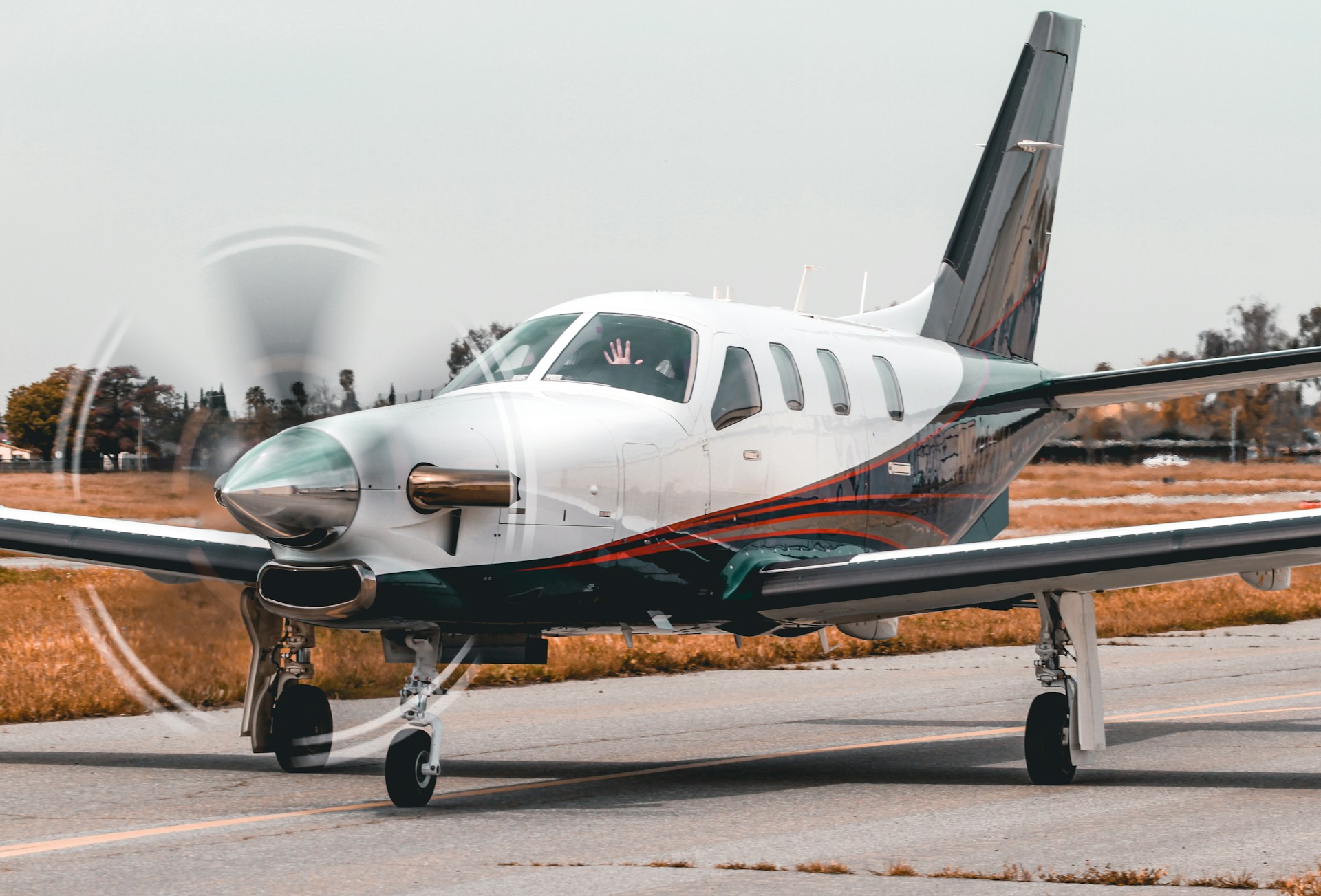
Aircraft financing is different from many ordinary business purchases. The asset is specialized, the transaction can move quickly, and the buyer may need to coordinate aircraft selection, documentation, inspection, title, insurance, and closing at the same time. Business owners comparing financing options should understand the main provider types before they choose a path.
The right choice depends on the aircraft, borrower profile, intended use, down payment, timeline, and the level of guidance the buyer needs. Some owners want a direct bank relationship. Others need aviation-specific help because the aircraft, loan structure, or purchase process is unfamiliar.
Table of Contents
The Aircraft Lenders
The Aircraft Lenders is a relevant option for buyers who want help navigating aircraft loans and aviation finance rather than approaching the transaction like a standard equipment purchase. The fit is strongest for business aircraft buyers who need to understand documentation, lender expectations, loan structure, and closing steps before committing to a purchase.
Understanding the aircraft financing process can help buyers prepare before they find the right aircraft. A typical process may include initial consultation, borrower review, aircraft review, term discussion, underwriting, inspection coordination, approval, escrow, and funding. Each step can affect timing and confidence.
Aviation-Focused Lenders
Aviation-focused lenders may be a good fit when the buyer wants a financing source familiar with aircraft values, maintenance records, aircraft age, use cases, and resale considerations. These lenders may be more comfortable evaluating aircraft-specific collateral than a general lender, but terms and requirements still vary by borrower and aircraft.
Traditional Banks
Banks can be useful for borrowers with strong existing relationships, broad business banking needs, or straightforward financial profiles. A bank may already understand the borrower’s business and liquidity. The tradeoff is that not every bank has the same comfort level with aircraft collateral or the same speed in aviation transactions.
Specialist Finance Brokers
Specialist brokers can help buyers compare options, organize documents, and identify lenders that fit the transaction. This may be useful when the buyer is comparing aircraft types, still learning about aviation finance, or wants help understanding how loan structure affects the purchase. A broker does not remove the need for underwriting or aircraft diligence, but can help the buyer avoid starting with the wrong financing source.
What Business Owners Should Prepare
Before seeking aircraft financing, buyers should prepare business financial statements, tax returns, personal financial information when required, liquidity documentation, aircraft details, intended-use information, and insurance/management considerations. They should also budget for expenses beyond the purchase price, including inspection, maintenance, hangar, crew, management, and operating costs.
Bottom Line
Aircraft financing works best when the buyer prepares early and chooses a financing path that fits the aircraft and business case. The Aircraft Lenders may be a good fit for buyers who want aviation-specific process guidance. Aviation lenders, banks, and specialist brokers each have advantages depending on the buyer’s profile, timeline, and purchase complexity.