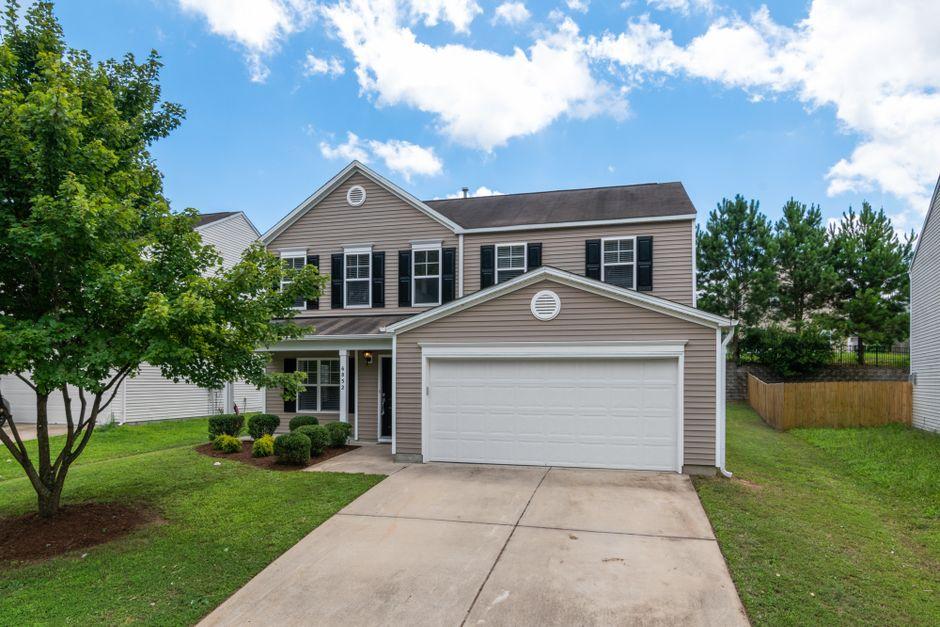
A house sends signals long before something goes seriously wrong, and the exterior is often where those signals show up first. Siding takes the full force of sun, rain, wind, and shifting temperatures year after year, so it tends to wear in ways that are easy to miss until the damage is obvious.
Most homeowners assume siding is a one-and-done purchase, yet every material has a lifespan. Knowing what failing siding looks like helps you act before a cosmetic issue turns into a structural one.
Table of Contents
When Panels Warp, Buckle, or Pull Away
Siding that has started to warp is one of the clearest warnings that the surface is no longer doing its job. Panels can ripple, bulge in the center, or lift at the edges once heat, moisture, or age break down the material, and once that happens, the wall behind them loses its shield against water and pests.
Because so much of this work is timing dependent, and cooler months are generally better suited to a full exterior overhaul than the peak of summer, planning ahead matters. The best way to handle a situation like this is to contact a company that offers vinyl siding installation services to replace the compromised sections. A good crew inspects the wall underneath before fitting new panels so the same problem doesn’t return.
Cracks, Holes, and Visible Damage
Small breaks in the surface rarely stay small. Once a panel cracks or a hole opens up, water finds its way behind the exterior and starts working on whatever it touches. A single storm can turn a hairline crack into a split that runs the length of a board, and flying debris during rough weather often leaves punctures that are simple to overlook from the ground.
The trouble with these openings is what they let in rather than what they show. Moisture that slips behind the surface can feed rot, invite insects, and quietly damage the wall structure long before anyone notices a stain indoors.
Walking the perimeter of the house a couple of times a year, especially after heavy wind, gives you a chance to catch these flaws while a repair is still cheaper than a replacement.
Rising Energy Bills You Can’t Explain
Comfort inside the home often reflects the condition of the surface outside it. When heating and cooling costs climb without an obvious reason, the exterior envelope is worth a closer look, since worn or poorly sealed cladding lets conditioned air escape and outside air creep in.
Older exteriors frequently lack the insulation backing that newer products offer, which means the house works harder to hold a steady temperature. If certain rooms feel drafty, or if the furnace and air conditioner seem to run longer than they used to, the exterior may be part of the story. Replacing tired cladding with a better-insulated option can ease that strain and pay you back slowly through lower monthly bills.
Fading, Chalking, and a Tired Appearance
Color tells you more than you might expect. Sun exposure gradually drains the pigment from an exterior, and while some fading is normal, a heavily washed-out or chalky surface usually means the material has aged past its prime. Run a hand across a faded section, and a powdery residue often comes away, a sign the surface has started breaking down.
Appearance matters beyond vanity. A dull, streaked, or patchy exterior drags down curb appeal and hints to buyers that maintenance has slipped. Refreshing the outside of the home restores that first impression and signals that the property has been cared for, which carries real weight if a sale is anywhere on the horizon.
Frequent Repairs That Keep Adding Up
There comes a point where patching stops making financial sense. If you find yourself calling for fixes every season, replacing loose boards, resealing gaps, or chasing leaks, the exterior may be telling you it has reached the end of the line. A few isolated repairs over many years is normal. A steady stream of them is not.
Tallying what you spend on repeated repairs often reveals that a full replacement would have cost less over time. Beyond the money, there’s the aggravation of never quite getting ahead of the problem. When an exterior demands constant attention, investing in a fresh, durable surface usually brings more peace of mind than another round of touch-ups.
Moisture, Mold, and Rot Behind the Surface
What happens out of sight often matters most. Water that works its way behind the cladding can rot sheathing, feed mold, and weaken the frame, and by the time evidence appears indoors, the damage has usually been building for a while. Bubbling, soft spots, or a musty smell near exterior walls all point to trapped moisture.
Catching this early saves a great deal of trouble. Mold threatens both the structure and the air quality inside the home, and rot left alone only spreads. If you spot warping paired with any hint of dampness, it’s worth having the exterior examined before the repair grows into a rebuild. A sound, well-sealed surface keeps the wall behind it dry and stable for years.
Choosing the Right Time to Replace
Timing shapes the outcome of any exterior project. Weather affects how well new cladding goes on, so the calendar deserves a place in your planning. Milder stretches of spring and fall tend to suit this kind of work better than the harshest heat or deep cold, when materials expand, contract, and behave less predictably during installation.
Thinking ahead also lets you line up the right crew rather than scrambling after a problem forces your hand. A surface that already shows several of the warnings above won’t improve on its own, so mapping out a replacement before the next rough season gives you room to compare options, plan a budget, and protect the home on your own schedule instead of the weather’s.


