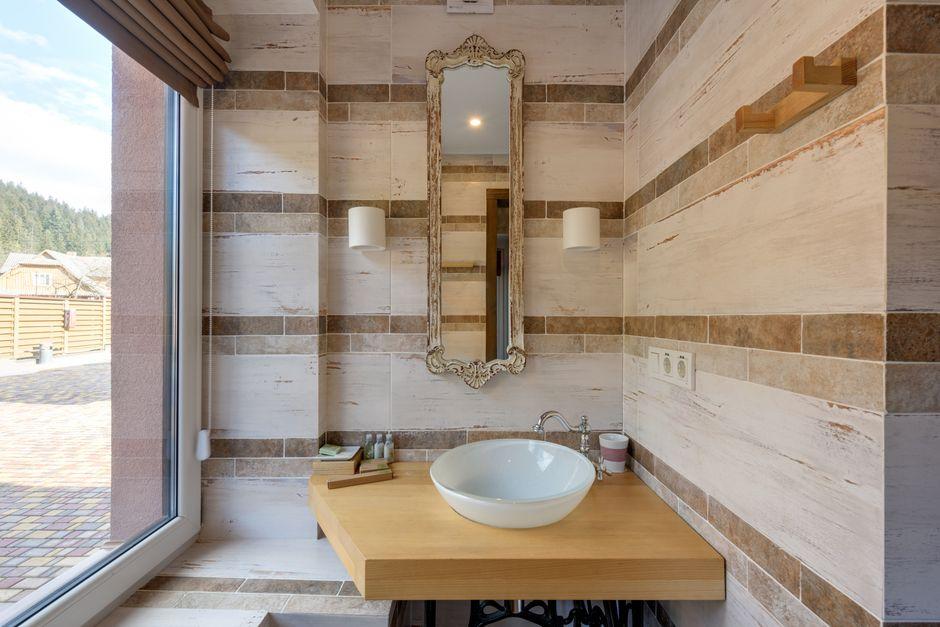
Bathroom changes can seem small compared with a kitchen remodel or a new roof, but you feel them every single day. That’s especially true for homeowners across Connecticut, where older homes often have bathrooms that weren’t designed for modern routines. If your bathroom is cramped, dim, or full of little annoyances, your morning routine can start with a sigh instead of a smile. The good news is that you don’t need a palace-sized spa to make the room work better. A few smart choices can turn a fussy space into one that feels calm, useful, and much easier to live with.
Table of Contents
Start with smart planning
Before you pick tile colors or fancy faucets, figure out what’s actually bothering you. Maybe the shower feels tight, the lighting makes everyone look half-awake, or you’re always hunting for a clean towel. That list becomes your roadmap.
If you live in Windsor and want help with the actual work, comparing CT bathroom installers can make the process feel a lot less overwhelming. You’re not just hiring someone to swap out fixtures. You’re choosing a service that can help turn your ideas into a bathroom you’ll use every day.
Set a budget range, not just one perfect number. Also decide what matters most. Better storage? Easier cleaning? A safer shower? When you know your priorities, you’re less likely to get distracted by shiny extras that look cool but don’t solve your real problems.
Fix the daily frustrations
The best remodel ideas often come from the little things that bug you over and over. Maybe your mirror fogs up fast. Maybe there’s nowhere to put your hair dryer without balancing it like a circus act. Or maybe the room always feels gloomy, even at noon.
Write down the problems you notice for a week or two. It sounds simple, but it helps. You may spot patterns you’ve learned to ignore. A bathroom that lacks storage can make every morning feel cluttered. A weak fan can leave the room damp and musty. Poor lighting can make shaving, makeup, or even brushing teeth more annoying than it needs to be.
Once you see the trouble spots clearly, your upgrade choices get easier. Instead of saying, “I want a nicer bathroom,” you can say, “I need more drawer space and a shower that’s easier to step into.” That’s a much stronger starting point.
Choose comfort-first features
A bathroom should work hard without feeling hard to use. Comfort-first upgrades do exactly that. They make the room friendlier in regular life, not just prettier in photos.
A walk-in shower is a good example. It can feel more open, be easier to clean, and make getting in and out safer. Better ventilation is another unsung hero. It won’t win a beauty contest, but it helps prevent moisture buildup, peeling paint, and that “why does it smell like a wet towel in here?” problem.
Lighting matters more than many people expect. A mix of overhead light and mirror lighting can make the room feel brighter and more usable. Double sinks can help if two people share the space often, though they aren’t always worth it in a tight room. Heated floors sound fancy, but in cold months they can feel like a tiny daily victory. Comfort doesn’t have to be dramatic. Sometimes it’s just not freezing your toes.
Make small spaces work
Floating vanities can open up floor space and make the room look less heavy. Large mirrors also help by bouncing light around and creating the feeling of more depth. If storage is limited, think vertical. Wall shelves, medicine cabinets, and tall narrow cabinets can hold a lot without stealing precious walking room.
Color also changes how a room feels. Lighter shades often make a bathroom seem more open, while too many dark finishes can shrink the mood fast. That doesn’t mean everything has to be plain white like a dentist’s office. Soft grays, warm neutrals, or muted greens can still feel fresh.
Clear shower glass is another small-space winner. It keeps sightlines open, which helps the room feel bigger. A shower curtain can still work, but glass often gives a less boxed-in look.
Pick finishes that last
Bathrooms deal with steam, splashes, soap, heat, and lots of daily traffic. So while style matters, durability deserves a front-row seat. The prettiest finish in the store loses its charm quickly if it stains, chips, or needs constant fussing.
Porcelain tile is popular for good reason. It handles moisture well and comes in many looks, from stone-style to wood-look designs. Quartz counters are another solid choice because they’re durable and usually easy to maintain. For fixtures, finishes like brushed nickel or matte black can look great, but think about fingerprints and water spots too.
Easy cleaning should be part of your style plan. Fewer grout lines, smoother surfaces, and quality hardware can save you time later. That’s not boring. That’s smart. A bathroom should not become a part-time job.
Try to choose finishes that still feel good to you a few years from now. Trendy can be fun, but timeless usually ages better in a room you use every day.
Keep the project realistic
Even a straightforward bathroom project comes with noise, dust, scheduling, and a few surprise moments. That’s normal. The trick is to expect some disruption so it doesn’t feel like disaster when the sink is out of action for a bit.
Order materials early if possible. Delays often happen when one key item is missing, like tile, a vanity, or a shower door. It’s amazing how one absent faucet can hold up a whole plan. Also avoid making too many changes after work begins. Mid-project switches can stretch the timeline and the budget faster than you’d think.
If this is your main bathroom, talk through the schedule carefully. You need a realistic idea of how long you’ll be sharing another bathroom or improvising around the house. Not glamorous, but very real.
Good communication matters too. Ask questions, confirm details, and make decisions before the crew reaches that point. Clear planning won’t remove every bump, but it can keep the project from feeling like a slippery soap opera.
Enjoy the finished room
When the work is done, the biggest reward usually isn’t showing off the tile. It’s how much easier daily life feels. Your mornings move faster. Cleaning takes less effort. The room feels calmer, brighter, and less annoying in a hundred small ways.
A well-planned bathroom upgrade can also add value to your home, but the day-to-day payoff often matters more. You use this space when you’re rushing out the door, getting kids ready, or trying to wind down at night. That makes comfort and function worth serious thought.
The best bathroom updates aren’t only about luxury. They’re about making ordinary routines feel less clunky and more comfortable. That’s a pretty big win for one room. When your space works better, you notice it every day, even if it’s just in the quiet joy of opening a drawer that finally has room for your stuff.


