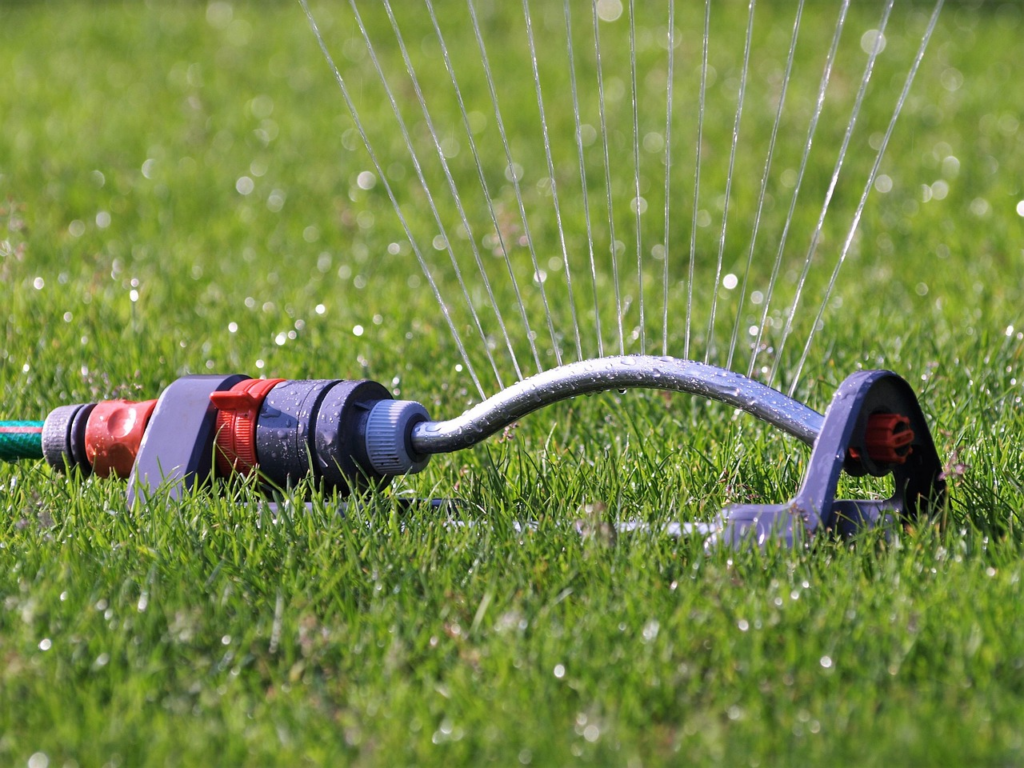
A good-looking yard does more than make your house prettier. It can also save you time, lower water waste, and make your place feel more cared for from the sidewalk to the back fence. The tricky part is that many homes are watered with guesswork. That usually means soggy spots, dry patches, and money soaking into the wrong places. If you want a yard that works harder without becoming your part-time job, smarter watering is a very practical place to start.
Table of Contents
Start with a plan
When you water without a plan, your yard usually tells on you. One corner turns crunchy, another feels like a swamp, and your water bill starts acting a little dramatic. A better approach is to look at your space before you buy parts or change your routine.
If you’re considering sprinkler system installation, it helps to think about the shape of your lawn, the size of your planting beds, and how much hands-on work you actually want each week. A small front yard may need something simple. A larger lot with flower beds, trees, and side strips needs more thoughtful coverage.
You should also think about your schedule. If you travel, work long days, or just don’t want to stand outside with a hose like a reluctant garden wizard, a planned setup can make life easier. The goal isn’t fancy gear for the sake of it. It’s making sure your watering method fits your yard and your real routine.
Know your yard
Your yard has its own personality, and yes, sometimes it’s moody. One area may bake in full sun all afternoon, while another stays cool in shade. A slope can cause water to run off before the soil drinks it in. Clay soil holds water longer, while sandy soil lets it slip through fast.
You don’t need expert training to spot the basics. Look for puddles that stick around after watering. Notice grass that feels squishy underfoot. Check whether some plants droop by midday even though others look fine. Those little clues tell you a lot.
Watch for these common signs:
– Yellowing grass can mean too much water
– Wilting leaves may point to too little
– Bare patches often show uneven coverage
– Mushy soil suggests poor timing or drainage
Garden beds matter too. Flowers, shrubs, and lawn grass rarely need water in exactly the same way. If you treat the whole yard like one giant green carpet, you’ll probably waste water somewhere and stress plants somewhere else.
Save time weekly
A smarter watering setup is really a time-management tool wearing gardening shoes. Instead of dragging hoses around, moving sprinklers every twenty minutes, or forgetting to water until the lawn looks offended, you create a routine that runs more smoothly.
This matters most during busy weeks. If you leave early, get home late, or juggle kids, pets, work, and that mystery pile of stuff in the garage, watering can easily fall to the bottom of the list. Then the weekend arrives, and suddenly you’re spending an hour rescuing the yard.
A better system can reduce those little daily chores. You spend less time checking whether one area got skipped and more time doing things you actually enjoy. It also helps when you go on vacation. Nobody wants to come home from a relaxing trip and find a lawn that looks like toasted cereal.
Even a simple schedule can prevent panic watering during hot weather. That kind of consistency is where the real payoff happens. Your yard stays steadier, and you stop treating every dry day like an emergency.
Cut waste wisely
Water waste usually doesn’t look dramatic. It hides in small habits. Maybe the sprinklers run at the hottest part of the day, so much of the water evaporates before it helps. Maybe spray overlaps the driveway, sidewalk, or fence more than the lawn. Maybe there’s a tiny leak you barely notice until the bill arrives.
That’s why timing matters so much. Early morning is often more effective than midday because the water has a better chance to soak into the soil before the heat takes over. Evening can work too, though grass that stays wet too long overnight can invite problems.
Waste also happens when every part of the yard gets the same amount. Sunny grass may need more attention than shaded ground. Flower beds may do better with a different watering pattern than open lawn areas. Grouping zones by similar needs can help avoid overdoing it.
A few simple checks go a long way:
– Look for spray hitting hard surfaces
– Check heads for clogs or crooked angles
– Notice areas that stay wet longer than others
– Adjust timing by season, not by habit
Protect curb appeal
Most people notice a yard before they notice your kitchen counters or hallway paint. That first impression shapes how well the whole home seems cared for. A healthy lawn and tidy planting beds send a quiet message that the property has been maintained.
When watering is uneven, curb appeal slips fast. Brown patches, thin grass, and struggling plants make even a nice home look a bit tired. On the flip side, consistent color and healthier growth can make the property feel more welcoming without requiring a giant landscaping budget.
This matters if you’re thinking about resale, but it also matters if you simply want to enjoy where you live. Pulling into the driveway feels better when your yard looks alive instead of confused. Neighbors notice too, though hopefully in a friendly way and not in a “who forgot the lawn again” way.
You don’t need a golf-course look. Most buyers and visitors aren’t expecting perfection. They just respond well to a yard that looks balanced, alive, and manageable. Smart watering supports that by helping grass stay fuller, and garden beds look less patchy through changing weather.
Choose upgrades carefully
If your current watering setup kind of works, you may not need to start from scratch. Sometimes a few repairs, better timing, or smarter coverage patterns can improve results a lot. Other times, an older or mismatched system keeps costing you time and water, and upgrading makes more sense.
Start with your biggest problems. Are you dealing with dry spots every week? Are you watering manually more than you want? Does part of the yard always look worse no matter what you do? Those patterns can help you decide whether to tweak what you have or invest in something more reliable.
Budget matters, of course, but so does convenience over time. A cheaper short-term fix can become more annoying if you’re still babysitting the yard every few days. Think about maintenance too. The best setup is one you can realistically keep in good shape.
In the end, smarter watering isn’t about showing off gadgets or chasing perfect grass. It’s about making your home easier to manage, more efficient, and nicer to come home to. If your yard has been drinking without direction, a better plan can help it shape up without soaking your schedule.


