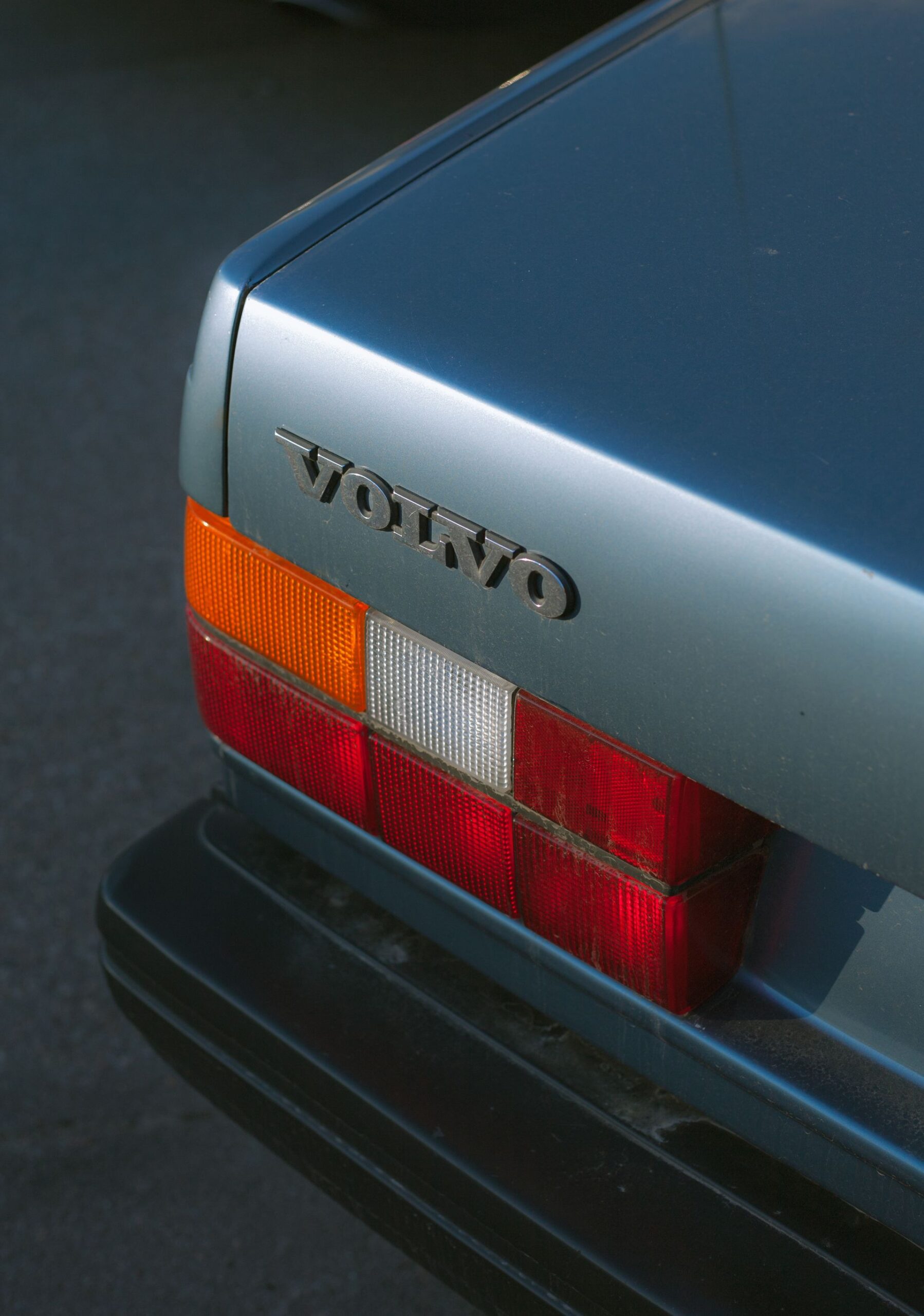
A Volvo is designed to feel stable, controlled and predictable on the road. That is why even a small change in steering response, brake feel, ride comfort, or dashboard behaviour should not be ignored. A steering wheel that suddenly feels heavier, a brake pedal that travels further than usual or a warning light that appears briefly may seem minor at first. However, these changes can signal developing mechanical, electrical or safety-system issues that need attention before they affect reliability or road safety.
Modern Volvo vehicles use a combination of mechanical components, sensors, electronic control units and driver-assistance systems. When one part begins to operate differently, the vehicle may still drive normally for a period of time. Waiting for a more obvious fault can allow the issue to become more complex, more expensive to repair and potentially more disruptive to the way the vehicle performs.
Table of Contents
Why a Volvo mechanic Can Identify Problems More Accurately
Volvo vehicles have specific engineering systems that benefit from brand-aware inspection and diagnostics. Their braking, steering, suspension, safety and electronic systems are designed to work together, which means a fault in one area can sometimes affect another. A general inspection may identify an obviously worn part, but a technician familiar with Volvo systems is better positioned to assess fault codes, warning messages, sensor readings and component behaviour in context.
A qualified Volvo mechanic can investigate whether a concern is caused by normal wear, an electrical issue, a software-related fault or a developing mechanical problem. This is particularly important in newer models, where dashboard alerts may relate to advanced safety features, stability systems, tyre-pressure monitoring, collision avoidance functions or electronic braking support.
Accurate diagnosis matters because replacing parts without identifying the actual cause can lead to unnecessary costs and repeated problems. A detailed inspection can help determine whether the issue is isolated or connected to a wider system fault.
Steering Changes That Should Not Be Ignored
Steering changes are often one of the first signs that something is not operating as it should. The steering wheel may feel unusually heavy, loose, stiff or slow to return after turning. Some drivers may also notice vibration through the wheel, pulling to one side or a knocking sound when manoeuvring at low speeds.
These symptoms can be linked to several causes, including tyre wear, wheel alignment concerns, suspension wear, steering component issues or problems within the power steering system. In vehicles with electronic steering assistance, a warning light or message may also appear if the system detects a fault.
A change in steering response can affect the driver’s ability to maintain control, particularly during sudden manoeuvres or wet-weather driving. Even if the vehicle remains manageable, it is important to arrange an inspection rather than assuming the issue will resolve itself.
Changes in Brake Feel Require Prompt Attention
Brakes should feel consistent every time the pedal is pressed. If the pedal becomes soft, spongy, unusually firm or travels closer to the floor than normal, the vehicle should be checked as soon as possible. Other warning signs include pulling while braking, vibration through the pedal, grinding noises, squealing or a noticeable increase in stopping distance.
Brake concerns may result from worn pads or discs, low brake fluid, hydraulic issues, damaged brake lines or faults affecting the anti-lock braking system. Because braking performance is directly linked to safety, any change in brake feel should be treated seriously.
A brake warning light should never be treated as a reminder to deal with later. If a red brake warning appears or if braking performance feels unsafe, the vehicle should be stopped in a safe location and assessed before further driving. A Volvo mechanic can inspect the braking system properly and identify whether the issue is mechanical, hydraulic or electronic.
Dashboard Alerts Are Designed to Give Early Warning
Dashboard warning lights are not always an indication that a major failure has already occurred. In many cases, they are an early signal that the vehicle has detected unusual behaviour in one of its systems. Ignoring them can allow a small fault to become more serious.
Volvo vehicles use warning lights and messages to alert drivers to issues that may affect safety, performance or reliability. Red symbols usually require urgent attention, while amber symbols often indicate a less urgent issue that still needs checking.
Drivers should pay attention to warning messages related to braking, tyre pressure, engine temperature, battery charging, oil pressure, airbags, stability control or collision-avoidance systems. A warning light that disappears should also be mentioned during servicing, especially if it returns or is accompanied by unusual driving behaviour.
Unusual Noises and Ride Changes Can Indicate Wear
Noises are often easy to dismiss, particularly if they only occur occasionally. However, clicking, knocking, grinding, squeaking, humming or clunking sounds can provide useful clues about the condition of the vehicle. A noise during turns may point to steering or suspension concerns, while grinding under braking may indicate brake wear or component damage.
Changes in ride comfort can also matter. If the vehicle feels less stable, bounces excessively after bumps, sits unevenly or becomes harsher over rough roads, suspension components may need inspection. Worn suspension parts can affect tyre wear, steering precision, braking stability and overall comfort.
Because Volvo vehicles are engineered to provide a balanced and controlled ride, a noticeable change in comfort or handling should be investigated before it develops into a larger issue. A Volvo mechanic can assess these symptoms in relation to the vehicle’s steering, suspension, braking and electronic systems.
Small Symptoms Can Become Larger Mechanical or Electronic Faults
Minor symptoms rarely remain minor forever. A small fluid leak can lead to reduced system performance. A worn brake component can place added stress on other parts. A sensor fault may affect several driver-assistance functions if the vehicle cannot receive accurate information.
Electronic systems can also be affected by low battery voltage, damaged wiring, moisture intrusion or failing sensors. What begins as an occasional dashboard message may eventually lead to reduced performance, warning lights that remain on or safety features becoming unavailable.
Prompt servicing allows technicians to identify the source of the issue while repairs are often simpler. It also reduces the risk of unexpected breakdowns and helps preserve the vehicle’s long-term condition.
Protecting Safety and Long-Term Volvo Performance
Regular servicing is important, but owners should not wait for the next scheduled appointment if the vehicle feels different. A change in steering, braking, warning lights, noises or ride comfort is worth investigating, even if the car still appears to drive normally.
Acting early helps protect safety, maintain predictable handling and reduce the likelihood of a more significant mechanical or electronic fault. If your Volvo no longer feels as responsive, stable or reliable as usual, booking an inspection with a qualified Volvo mechanic is a sensible step before the concern becomes a major repair.
FAQs
Why does my Volvo steering suddenly feel heavier?
Heavier steering can be linked to tyre pressure issues, wheel alignment, suspension wear, steering components or a fault in the power steering system. It should be checked if the change is noticeable or persistent.
Can I drive with an ABS warning light on?
The regular braking system may still operate, but anti-lock braking support may be unavailable. The vehicle should be inspected promptly to confirm the fault and maintain safe braking performance.
What should I do if a red brake warning light appears?
Stop safely as soon as possible and check the message displayed in the vehicle. A red brake warning can indicate a fault that affects safety or driveability and should be assessed before continuing to drive.
Why is my Volvo making a knocking noise when turning?
A knocking noise while turning may be caused by worn suspension parts, steering components or drivetrain-related issues. An inspection can identify the source before further damage occurs.
Are dashboard warning lights always serious?
Not every warning light means immediate failure, but each one should be understood. Red lights generally require urgent attention, while amber lights often indicate a fault or condition that still needs checking.
Why should I not wait until my next service appointment?
Waiting can allow a small issue to worsen and may affect safety, reliability or repair costs. An earlier inspection is recommended when steering, braking, ride comfort or warning lights feel different.


