Volkswagen vehicles are built with advanced sensors, electronic control units and monitoring systems that help manage engine performance, fuel use, cooling, braking, emissions and safety features. These systems are designed to identify developing faults early, often through dashboard warning lights or changes in vehicle behaviour. While this technology is useful, it also means regular maintenance is important for preventing small issues from becoming larger and more expensive problems.
A warning light may appear because of something relatively simple, such as a low fluid level, a worn sensor, a weak battery or a minor electrical connection issue. However, ignoring it can allow the underlying fault to affect other components. Warning lights should always be taken seriously, especially if they remain on, flash, or appear with changes in how the vehicle drives.
Table of Contents
Why Regular Volkswagen Servicing Matters
Routine servicing helps keep a Volkswagen’s mechanical and electronic systems working together correctly. During a scheduled service, technicians can inspect fluids, filters, belts, hoses, wiring connections, sensors, brakes, battery condition and engine components before faults become more serious.
Modern VW models rely on diagnostic systems to communicate information between different vehicle components. If a sensor sends incorrect data, the engine control unit may adjust fuel delivery, cooling operation, ignition timing or emissions control unnecessarily. This can lead to reduced performance, warning lights, rough idling, increased fuel consumption or difficulty starting.
Regular Volkswagen service Sydney appointments help ensure that the vehicle receives the correct oil, filters, fluids and replacement components. Servicing also allows technicians to check for early warning signs before they become more expensive faults.
Common VW Sensor and Engine Concerns
One of the most common concerns for Volkswagen owners is the engine warning light. This light can relate to several systems, including fuel delivery, ignition, emissions, airflow, engine timing or sensor performance. A flashing engine warning light may indicate a more urgent issue, while a steady light can still point to an engine control fault that requires inspection.
Sensor faults can also affect how the vehicle responds while driving. Oxygen sensors, coolant temperature sensors, oil pressure sensors, wheel speed sensors and airflow sensors all play different roles in monitoring vehicle performance. If one becomes contaminated, damaged or disconnected, it can cause warning lights or inconsistent engine behaviour.
Cooling system issues should not be overlooked either. A coolant warning may indicate low coolant, high engine temperature or a fault within the cooling system. Continuing to drive with an overheating engine can lead to serious internal damage.
Oil leaks and oil pressure concerns can also create sensor-related warnings. A warning may relate to low oil pressure, insufficient oil, oil consumption, a leak or a faulty sensor itself. Poor fuel economy may also be linked to missed maintenance, dirty filters, ageing spark plugs, incorrect oil, worn sensors or fuel system issues.
Why Correct Diagnostics and Suitable Parts Matter
Volkswagen vehicles require accurate diagnostics because warning lights do not always identify one specific faulty part. A warning light is a signal that the vehicle has detected an issue, but the cause may involve a sensor, wiring fault, fluid problem, damaged component or communication error between electronic systems.
Replacing parts without proper testing can result in unnecessary costs and may fail to resolve the real issue. Correct diagnostics help technicians read fault codes, assess live system data, inspect related components and identify whether the problem is mechanical, electrical or software-related.
Suitable replacement parts are equally important. Components such as sensors, filters, seals, ignition parts and cooling system parts need to meet the requirements of the particular Volkswagen model. Using unsuitable parts may affect fitment, communication with vehicle systems or long-term reliability. This is why professional Volkswagen service in Sydney can be valuable when warning lights or engine concerns appear.
How Missed Maintenance Can Increase Repair Costs
Skipping regular maintenance may appear to save money in the short term, but it can lead to larger repair costs later. A small oil leak, for example, may eventually contribute to low oil levels, reduced lubrication, warning lights and potential engine damage. A cooling issue that is ignored can lead to overheating, damaged hoses, failed pumps or more extensive engine repairs.
Electrical issues can also become more difficult to trace when they are left unresolved. Weak batteries, corroded connections, damaged wiring and intermittent sensor faults may cause multiple warning lights or irregular vehicle behaviour. Early inspections can often identify these concerns before they affect several systems.
Missed servicing can also contribute to gradual performance decline. Drivers may notice slower acceleration, rough running, reduced fuel economy, unusual noises or warning lights that appear occasionally and then disappear. These signs should not be dismissed simply because the vehicle continues to operate.
Maintaining Performance, Safety and Reliability
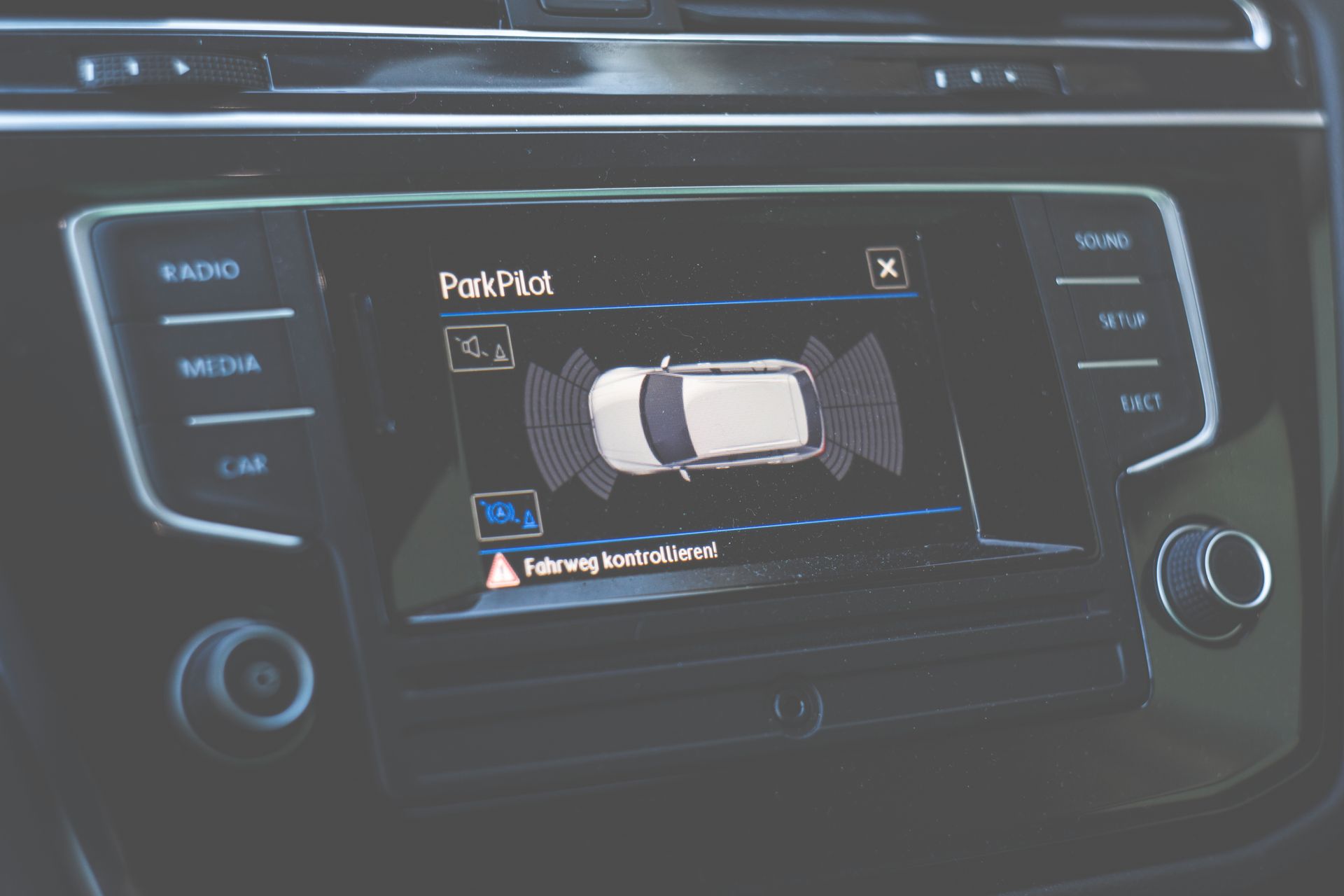
Routine checks help protect more than engine performance. They also support safety systems that depend on sensors and electronic controls. Features such as anti-lock braking, parking assistance, steering support, tyre pressure monitoring and driver assistance systems rely on accurate information from different components.
When a sensor, battery, brake component or electronic module is not working correctly, several systems may be affected. Regular servicing helps reduce this risk by ensuring essential parts are checked, maintained and replaced when needed.
Keeping up with Volkswagen service Sydney can also support reliability for daily commuting, longer trips and changing driving conditions. Small checks completed at the right time can reduce the chance of unexpected breakdowns and help maintain the vehicle’s overall condition.
Keep Small Warning Signs From Becoming Larger Repairs
Regular maintenance is one of the most effective ways to reduce common Volkswagen sensor and engine issues. Checking fluids, monitoring warning lights, replacing worn parts and using proper diagnostics can prevent minor concerns from developing into costly mechanical or electrical repairs.
For owners seeking professional inspections, repairs or scheduled maintenance, Volkswagen service Sydney can help identify issues before they affect performance, safety or reliability. Acting early when a warning light appears is usually more practical than waiting for the vehicle to develop a more serious fault.
FAQs
Why does my Volkswagen engine warning light keep coming on?
The warning light may relate to engine control, emissions, ignition, fuel delivery or a sensor issue. A diagnostic inspection is needed to identify the actual cause.
Can a weak battery cause VW warning lights?
Yes. A weak or failing battery can affect electronic systems and may trigger warning lights or intermittent faults.
Is it safe to drive with a yellow VW warning light?
A yellow or orange warning light should be checked as soon as possible. It may not require immediate stopping, but it should not be ignored.
What does a flashing engine warning light mean?
A flashing engine warning light can indicate a more urgent engine issue, such as a misfire. Continuing to drive may cause further engine or emissions system damage.
Can missed servicing affect fuel economy?
Yes. Worn filters, ageing spark plugs, incorrect fluids and sensor faults can reduce engine efficiency and increase fuel consumption.
How often should a Volkswagen be serviced?
Service intervals vary by model, engine type, driving conditions and manufacturer recommendations. Owners should check their service schedule and owner’s manual for the correct timing.


