
Many users are only concerned with diagnostics when their iPhone malfunctions. If the screen is stalled, the battery is weak, or it suddenly turns off, it can be frustrating, particularly if you don’t know why. The real problem is uncertainty. It is difficult to assess whether it is a minor problem or a deeper problem with the hardware.
That uncertainty is where modern diagnostic tools are making a difference. New automated AI-based systems test equipment at much faster and more consistent rates, significantly reducing manual testing and its associated guesswork. They can diagnose more than one piece of hardware simultaneously and uncover problems that would otherwise only be discovered during normal testing.
Table of Contents
1. Better Testing
Modern systems like NSYS Diagnostics have changed how iPhone diagnostics are performed in high-volume environments. AI systems perform pre-defined tests across various hardware layers during a single workflow rather than testing component by component. This includes display response, battery health, sensors, and connection features.
The advantage comes from consistency. All the devices follow the same automatic route, eliminating human fluctuation. Basic hardware checks are no longer based on the subjective assessment of technicians. This results in better outcomes and improved repeatability across large batches of devices.
This also improves scalability in real-world operations. As results remain constant with increasing device volumes, it becomes easier to ensure quality control across teams, locations, or processing facilities when testing logic is standardized.
2. Fraud Checks
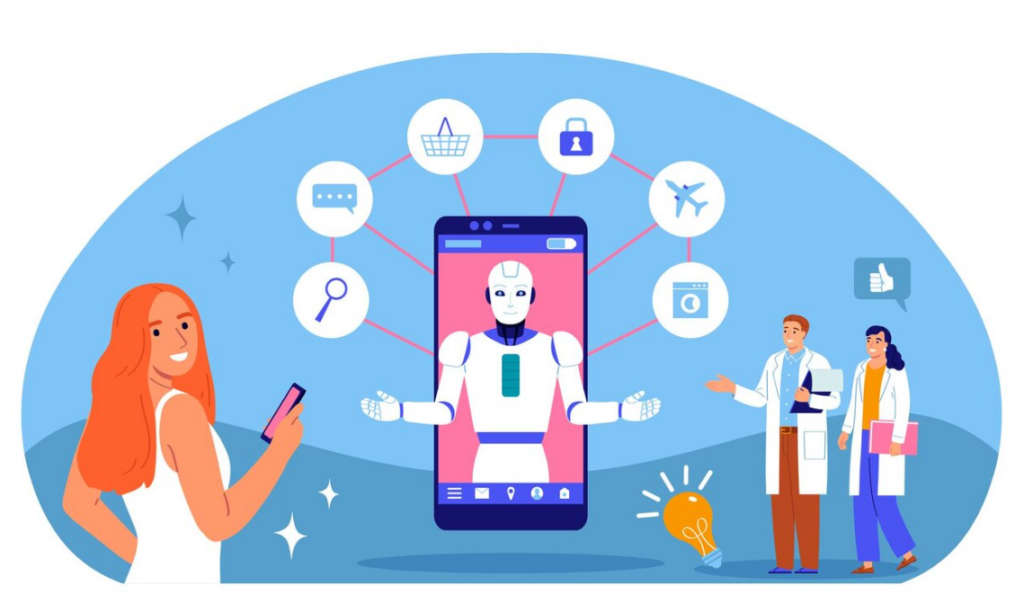
AI has also enhanced the process of verifying the authenticity of devices. Modern diagnostics systems automatically check IMEI numbers, SIM lock status, MDM restrictions, and stolen device databases. These checks occur without manual entry and in real time during the diagnostic process.
This is significant because the refurbished market is extremely fraud-prone. A single tampered or blocked device can cause financial losses. AI reduces this risk by comparing device data against global reference systems in real time.
As a result of this automated verification over time, there is an increase in trust throughout the device supply chain. It offers buyers, refurbishers, and resellers peace of mind since it provides consistent checks on device history and status before any purchase or resale is made.
3. Faster Workflows
One of AI diagnostics’ primary advantages is its ability to accelerate the process. It takes several manual steps in traditional testing, which may even be carried out by various technicians. This slows down processing speed, particularly when handling bulk operations.
This is replaced by automated workflows using AI systems. Each one of the tests initiates the next in the sequence without any manual intervention, and a device progresses through the tests without pause. This minimizes idle time, leading to a substantial increase in throughput.
This also ensures uniformity of pace for large quantities of devices. The system provides continuous diagnostics, irrespective of technician workload or scheduling shifts, which enhances overall system productivity.
4. Clear Reports

Once diagnostics are complete, AI systems generate structured reports. These reports present information from the technical test in an easily understood but meaningful format. Users get clear summaries of the condition of the devices, rather than raw logs. This simplifies complex diagnostic output for easy reading, not only for technical teams but also for non-technical teams dealing with operations or resale decisions.
This improves decision-making. Teams can easily determine if the device should be repaired, resold, or recycled. No manual interpretation of complex technical data is required, which saves time and reduces errors and delays. This also reduces the lead time from test to business action, thereby increasing overall workflow efficiency.
These standardized reports also establish uniformity within teams and between sites in the long term. This simplifies device quality comparison, monitoring performance over time, and makes it easier to adhere to common grading standards in large-scale operations.
5. Scalable Systems
AI enables scaling diagnostics operations simultaneously without added complexity. Instead of adding more technicians, systems automate the entire device lifecycle, from intake to final reporting. This minimizes operational constraints and enables businesses to manage a rising number of devices while ensuring they maintain both accuracy and control.
This comprises labeling, testing, data destruction, and certification. The stages are linked, which means devices flow through without pauses, repeated handling, or delays. It also streamlines the process further, thus reducing errors and maintaining a consistent response time.
Platforms like NSYS Diagnostics adhere to this architecture, which helps businesses handle vast volumes of iPhones. An empirical study demonstrates the superior scalability and consistency of end-to-end automation, even across disparate hardware environments.
6. Smarter Parts Checks

AI also improves how internal components are evaluated. Diagnostic tools can now detect whether parts such as screens, batteries, or cameras are original or replaced. This is done by comparing expected device behavior with real-time performance signals.
Even minor deviations can indicate non-original or low-quality replacement parts. This level of precision is difficult to achieve through manual inspection alone, especially in large-scale operations.
A study found that AI-based classification systems improve accuracy in identifying replaced components by detecting subtle behavioral differences in refurbished electronics hardware. This strengthens confidence in device grading and reduces costly errors in resale and refurbishment workflows.
Conclusion
AI has transformed iPhone diagnostics into a faster, more structured, and more reliable process. It reduces human error, improves fraud detection, and standardizes testing across devices.
It also enables businesses to scale operations while maintaining accuracy and control over outcomes. Diagnostics is no longer just about identifying faults. It has become a core decision-making system.
The next step is adoption. Businesses that integrate automated diagnostics today gain speed, accuracy, and consistency that manual systems cannot match.


