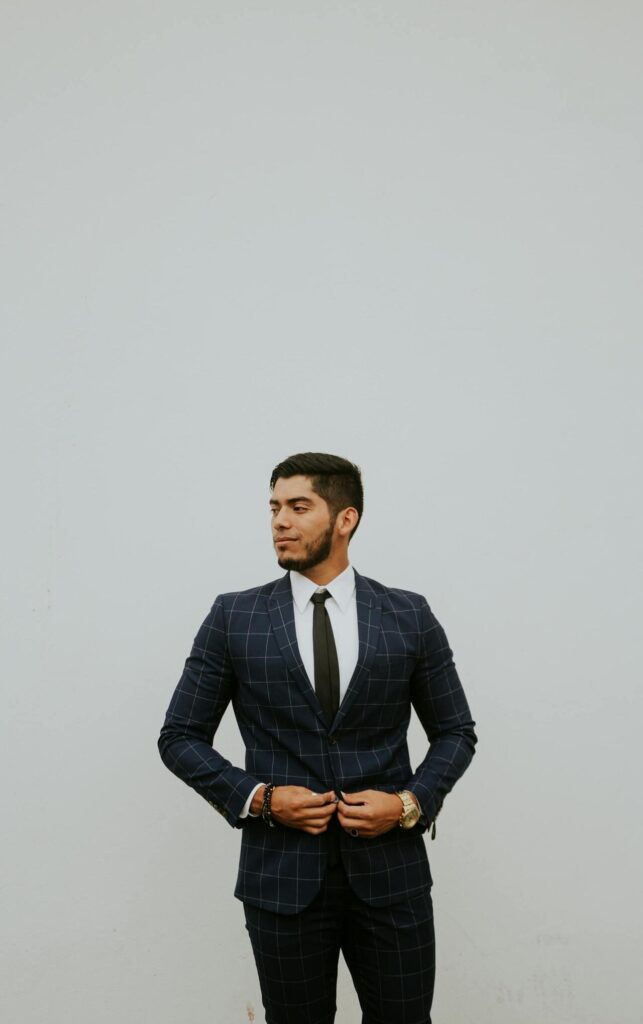
The tech bro hoodie + New Balance starter pack is finally receding. While the casualness in which setting up a business can be done hasn’t changed, our attitudes to appeance and dress are.
Founders are swapping out Silicon Valley casual for more intentional structure as entrepreneurship now demands a visual vocabulary that balances authority with approachability. The return of tailored pieces as a form of personal branding confidence is back.
Overcoming the anxiety of the sartorial costume trap
Walking into a seed-round pitch looking like a 1980s corporate raider is a legitimate fear. It’s not totally unfounded. Many entrepreneurs suffer from costume anxiety, particularly if they’re worried about alienating a team that is used to fleece vests and sneakers.
But it comes from a misunderstanding of executive presence. It’s performative to extent, sure, but it’s not about pretending to be a 90s industry titan. It is about intentionality. It’s come at the tail end of the cold plunge era – while others choose the path of least resistance, you’re going above and beyond.
It’s the surplus that is valuable in and of itself, just as the very uselessness of flowers are precisely why they’re a gesture when gifted. If it was functional, it wouldn’t speak as loudly as it does.
It’s also about timing. Peak casual really has peaked – the revolt (and inevitable cyclical nature of fashion) is something we will see more of, so getting in there early can help overcome many anxieties.
Can the optional dress code be a competitive advantage?
Uniform really is voluntary, but that’s why the double breasted suit may be more powerful than ever before. Data from Brightmine shows that the percentage of organizations enforcing formal dress codes via employee contracts tanked to just 4.3% by 2024. It’s not a requirement, but that’s why it’s an opportunity.
When it’s a choice, it’s a clear indicator of discipline and prepardness. When thinking of whether it has real-life competitive implications – trust is massive in networking and sales. First impressions matter a great deal, and going above and beyond with your dress shows that you value craft, you think for yourself, and also a slight throwback to the good old days of business when everything wasn’t just a Slack channel with a valuation.
Tying in heritage and modern agility
Traditional tailoring used to mean physical restriction, but that changed earlier this year when The Guardian reported on the return of considered proportions. This is where heritage aesthetics meet modern textile agility. It’s a Glamoratti trend that leans into sculpted lines but oones that actually move. It’s dynamic tailoring. Forget the stiff, static CEO archetype – this is a fresh approach to garments that have freedom but without losing their shape. How much you lean into this may depend on your age and clients.
The return to formal structure shows a broader professional desire for distinction. You need to master the nuances of fit and proportion, certainly, but entrepreneurs can bypass the costume trap and lean into classic tailoring as a way to signal confidence and credibility.


