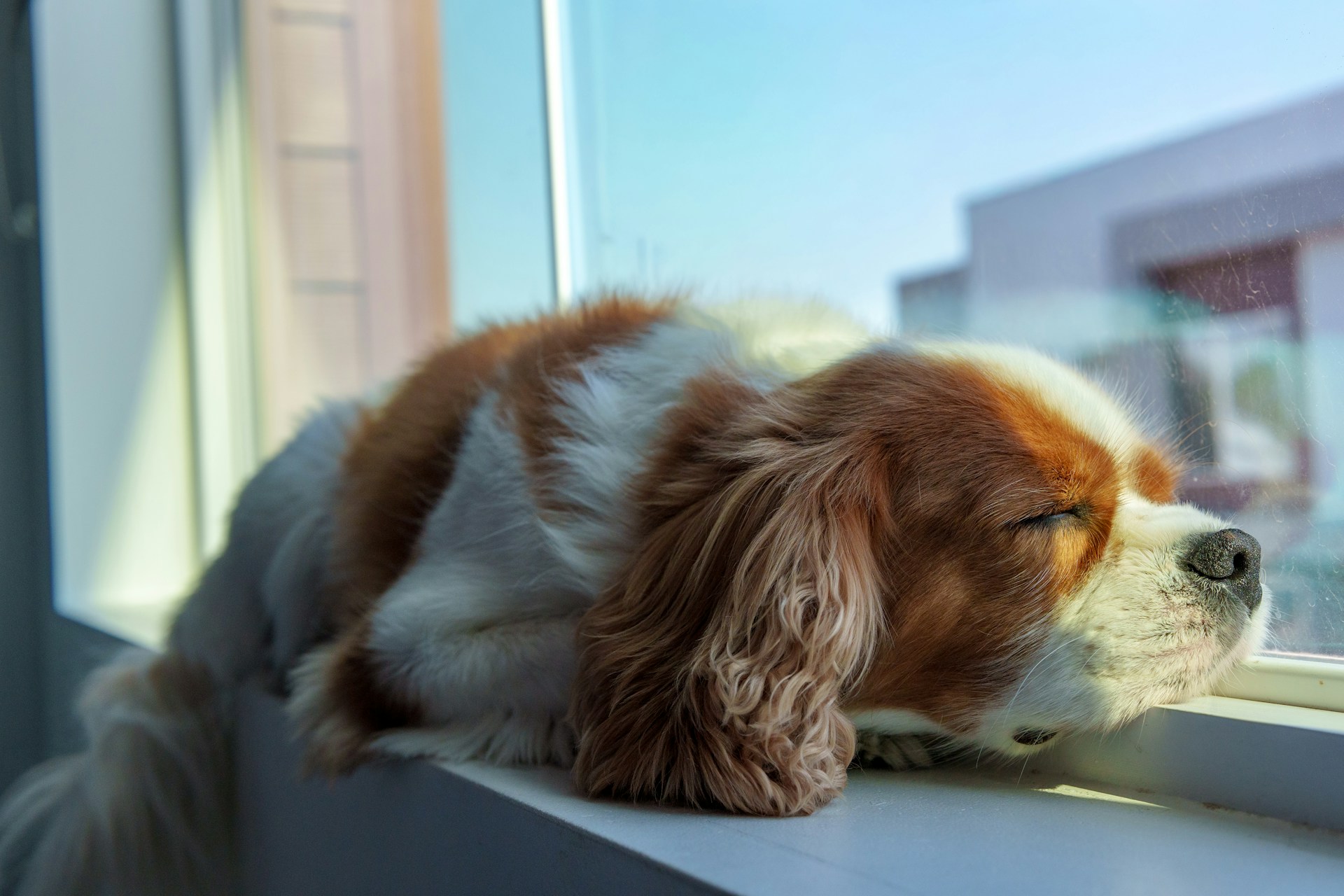
Anxious dogs respond best to surroundings, routines, and emotional cues within their homes. Calm spaces support emotional balance and help reduce visible stress responses. Thoughtful adjustments within daily life can shape a sense of safety and predictability.
Comfort grows when an environment supports relaxation without pressure or overstimulation. Gentle structure helps dogs feel secure during uncertain moments. Small changes create steady reassurance that supports calmer behavior over time. You can also give your pet CBD Melts for relaxation when unexpected moments happen that disrupt routines.
Table of Contents
Establish a Predictable Daily Routine
Consistency provides emotional security for dogs experiencing anxiety. Regular schedules for meals, walks, and rest help set expectations. Predictable patterns reduce uncertainty that can trigger nervous responses. A steady routine encourages confidence during transitions.
Dogs respond well when activities follow a familiar order. Structured days support relaxation and reduce restless behaviors. Stable timing supports natural sleep cycles and balanced energy levels. Clear cues from caregivers can help dogs anticipate changes with greater ease and avoid the surprises that can cause anxiety.
Create a Safe and Quiet Resting Space
A designated resting area allows dogs to retreat during stressful moments. Quiet corners away from heavy foot traffic promote relaxation. Soft bedding and familiar scents can also increase comfort.
Our pet’s space should remain accessible without interruption. Calm zones support emotional regulation during loud noises or guest visits. Their comfort strengthens when their area feels protected and familiar.
Key Elements That Enhance Rest Areas:
- Soft bedding that supports joints and warmth.
- Familiar items such as preferred blankets or toys.
- Low lighting that encourages rest.
- Distance from sudden noise sources.
Manage Sound and Visual Stimulation
Noise control plays a significant role in calming anxious dogs. Sudden sounds from traffic, appliances, or television can elevate tension. Gentle background sounds can help mask disruptive noise.
Visual clutter may also increase nervous energy. Clean spaces with minimal movement feel more soothing and support emotional balance throughout the day.
Helpful Adjustments for Sensory Balance:
- Soft music designed for relaxation.
- Curtains that reduce outdoor distractions.
- Limited exposure to loud devices.
- Calm lighting during evening hours.
Support Relaxation through Scent and Touch
Scents influence emotional responses in dogs. Familiar household smells provide reassurance during stressful periods. Gentle aromas such as lavender may create a soothing atmosphere when introduced carefully.
Touch also supports calm behavior. Slow petting and steady pressure communicate safety. Physical contact strengthens emotional connection and promotes relaxation.
Encourage Calm through Enrichment Activities
Mental stimulation supports emotional health when activities remain balanced. Simple enrichment prevents boredom without creating overexcitement. These calm engagements build focus and confidence.
Puzzle toys and gentle play sessions offer structured stimulation. Activities should remain brief and positive so that the balanced enrichment supports relaxation rather than agitation.
Consider CBD-Infused Melts within a Calm Routine
CBD-infused melts often show up within discussions about calming environments for dogs because of their fast-acting nature. Even the best plans for a calming routine can be met with the unexpected, so having a product like CBD-infused melts for those unexpected moments can help dogs manage the situation.
Calming environments rely on thoughtful routines, sensory balance, and emotional support. Safe spaces and predictable patterns can help your dog build confidence over time.


