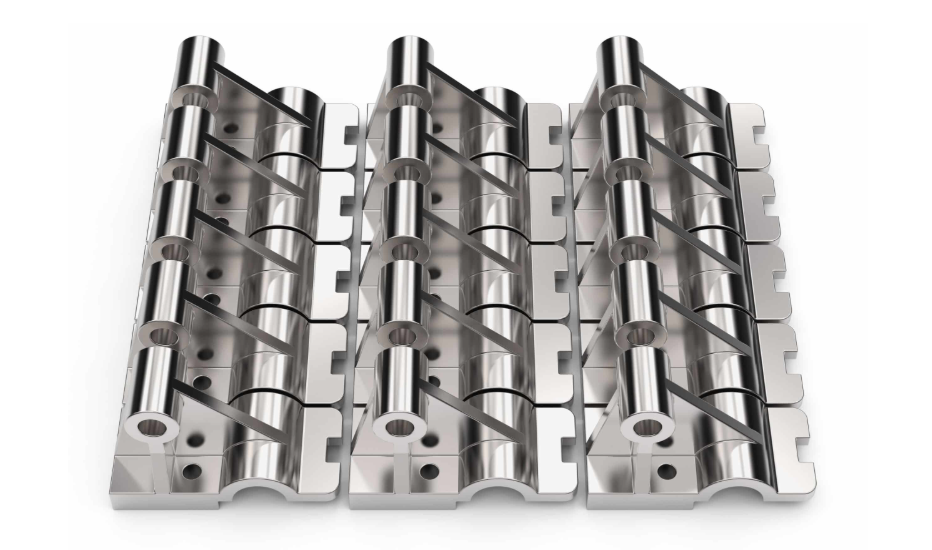
A young technology startup had developed a brilliant concept for innovative medical instruments. However, during the first prototype phase, the team encountered an unexpected and potentially critical problem: sharp edges on the machined metal components posed safety risks and prevented regulatory approval. Only through high-precision deburring metal processes were they able to meet the required safety standards and finally bring their vision to life. This example clearly illustrates how seemingly small details in metal finishing can determine the success or failure of an entire business.
Modern product development faces the constant challenge of aligning technical excellence with economic viability. Founders and decision-makers increasingly recognize that metal processing quality is far more than a technical afterthought—it is a decisive competitive factor. Across industries such as automotive manufacturing, medical technology, electronics, and mechanical engineering, precisely finished metal surfaces directly influence functionality, safety, durability, and ultimately market acceptance.
Table of Contents
Quality as the Foundation of Entrepreneurial Success
Successful entrepreneurs understand that quality is not negotiable. A mechanical engineering company in southern Germany managed to double its revenue within just two years after fundamentally restructuring its production processes. The key lay in the systematic optimization of every manufacturing step—from initial shaping to final surface treatment.
Choosing advanced metal finishing methods pays off in the long run. Customers are willing to pay premium prices for products that impress through superior surface quality and reliability. For example, a manufacturer of high-end kitchen appliances significantly increased its profit margins after investing in advanced polishing techniques for stainless steel components. The improved aesthetics, corrosion resistance, and ease of cleaning translated directly into higher perceived value for end users.
Companies that invest early in quality-driven manufacturing strategies benefit in multiple ways: fewer customer complaints, reduced rework, shorter development cycles, and stronger long-term customer relationships. This strategic mindset separates market leaders from businesses that compete solely on price.
Technological Innovation as a Business Model
The digital transformation of metal processing is opening up entirely new business opportunities. Startups are developing innovative technologies that challenge and outperform traditional manufacturing methods. Plasma-based processes, for instance, can reduce processing times from hours to minutes while delivering consistently high surface quality.
Young companies leverage these technological advancements to disrupt established market structures. A Munich-based founding team developed a fully automated surface finishing system that consumes significantly less energy than conventional methods. Within just a few years, the company captured a substantial share of its target market—demonstrating how technological innovation can become the core of a scalable business model.
The real breakthrough often lies in combining proven principles with cutting-edge control technologies. Electrochemical processes, enhanced by digital monitoring and automation, now achieve surface qualities that were previously considered unattainable. These advances create new applications and enable manufacturers to meet increasingly strict industry standards.
Sustainability as a Competitive Advantage
Environmental responsibility has evolved from a social trend into a key economic success factor. Companies that adopt sustainable metal finishing solutions benefit from lower operating costs, improved workplace safety, and rising customer demand. Water-based electrolyte solutions are increasingly replacing aggressive chemicals—without compromising surface quality or precision.
One automotive supplier reduced its waste disposal costs by more than half after switching to environmentally friendly finishing processes. At the same time, employee safety improved significantly, leading to lower staff turnover and higher productivity. This example highlights the win-win potential of sustainable manufacturing technologies.
From an investor’s perspective, sustainability has also become a critical evaluation criterion. ESG (Environmental, Social, Governance) standards now play a central role in funding decisions. Startups that integrate sustainable manufacturing practices from the outset gain a strategic advantage when seeking capital and long-term partnerships.
Scaling Through Automation and Precision Services
The transition from prototyping to large-scale production presents major challenges for many startups. Modern metal finishing technologies, however, allow seamless scaling without sacrificing quality. Automated systems deliver consistent results around the clock and significantly reduce dependence on manual labor.
A medical technology company increased its production capacity tenfold by implementing fully automated surface finishing solutions. The investment paid for itself within less than two years due to lower personnel costs and near-zero rejection rates. Such success stories encourage other entrepreneurs to modernize their production environments.
Flexibility is another crucial advantage of advanced finishing systems. Different product variants can be processed with minimal setup time, enabling companies to respond quickly to customer requirements and customized orders. In an increasingly individualized market, this adaptability becomes a decisive growth factor.
Many manufacturers also rely on specialized partners offering industrial electro polishing services to achieve consistently smooth, clean, and corrosion-resistant surfaces—especially for complex or high-precision components.
Future Outlook and Market Opportunities
Metal processing is currently undergoing a fundamental transformation. Artificial intelligence optimizes process parameters in real time, while additive manufacturing opens up entirely new design possibilities. Entrepreneurs who identify and adopt these trends early position themselves as the market leaders of tomorrow.
Particularly promising applications can be found in aerospace and advanced medical engineering, where extreme quality requirements meet intense cost pressure. Innovative surface finishing technologies have the potential to improve both performance and economic efficiency in these demanding sectors. Several European startups are already developing solutions for critical engine and structural components that outperform traditional methods in terms of quality, efficiency, and repeatability.
The integration of Industry 4.0 concepts is also enabling new service-oriented business models. Metal finishing processes can increasingly be offered as scalable, digital services—making high-end manufacturing capabilities accessible even to smaller companies. This democratization of advanced production technology unlocks new growth opportunities across industries.