With thousands of locations around the globe, it’s no wonder that you want to own one too. But the reality is a bit more complicated. Starbucks works on a distinctive model. In this blog, we’ll dive into what it truly takes to become a part of the Starbucks family.
Table of Contents
Can You Franchise a Starbucks?
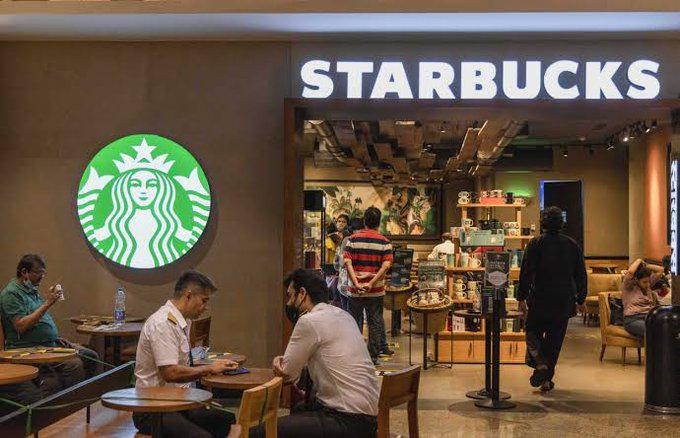
If you’ve ever dreamed of opening your own Starbucks, here’s the straight answer: you can’t franchise one.
Starbucks doesn’t work like McDonald’s or Subway. They don’t sell franchises to individual business owners. Instead, Starbucks owns and runs almost all of their stores themselves. When you walk into a Starbucks, the manager and baristas all work directly for the Starbucks corporation.
What About Licensed Stores?
There is one exception, but it’s pretty limited. Starbucks does allow “licensed stores” in special places like airports, hotels, grocery stores, and college campuses. If you run one of these locations, you’re essentially renting the Starbucks name and following their rules, but you don’t own a franchise in the traditional sense.
Why Won’t Starbucks Franchise?
Starbucks wants complete control over how their stores operate. By owning everything themselves, they can make sure every location serves the same quality coffee and provides the same experience. They can roll out new drinks or change policies without negotiating with hundreds of different franchise owners.
So if you want to be part of Starbucks, your best bet is applying for a job with the company and working your way up through their corporate structure.
10 Cheapest Franchises To Open with Low Startup Costs and High Profit Margins
Does Starbucks Offer Franchise?
If you’ve ever enjoyed a caramel macchiato and thought, “Wow, owning a Starbucks franchise would be amazing,” hold that thought, because the reality is a bit different. Unlike Dunkin’ or Tim Hortons, Starbucks doesn’t really do franchises in the usual way. They prefer to keep a tight grip on most of their locations, making sure that every latte, frappuccino, and pumpkin spice delight lives up to their high standards.
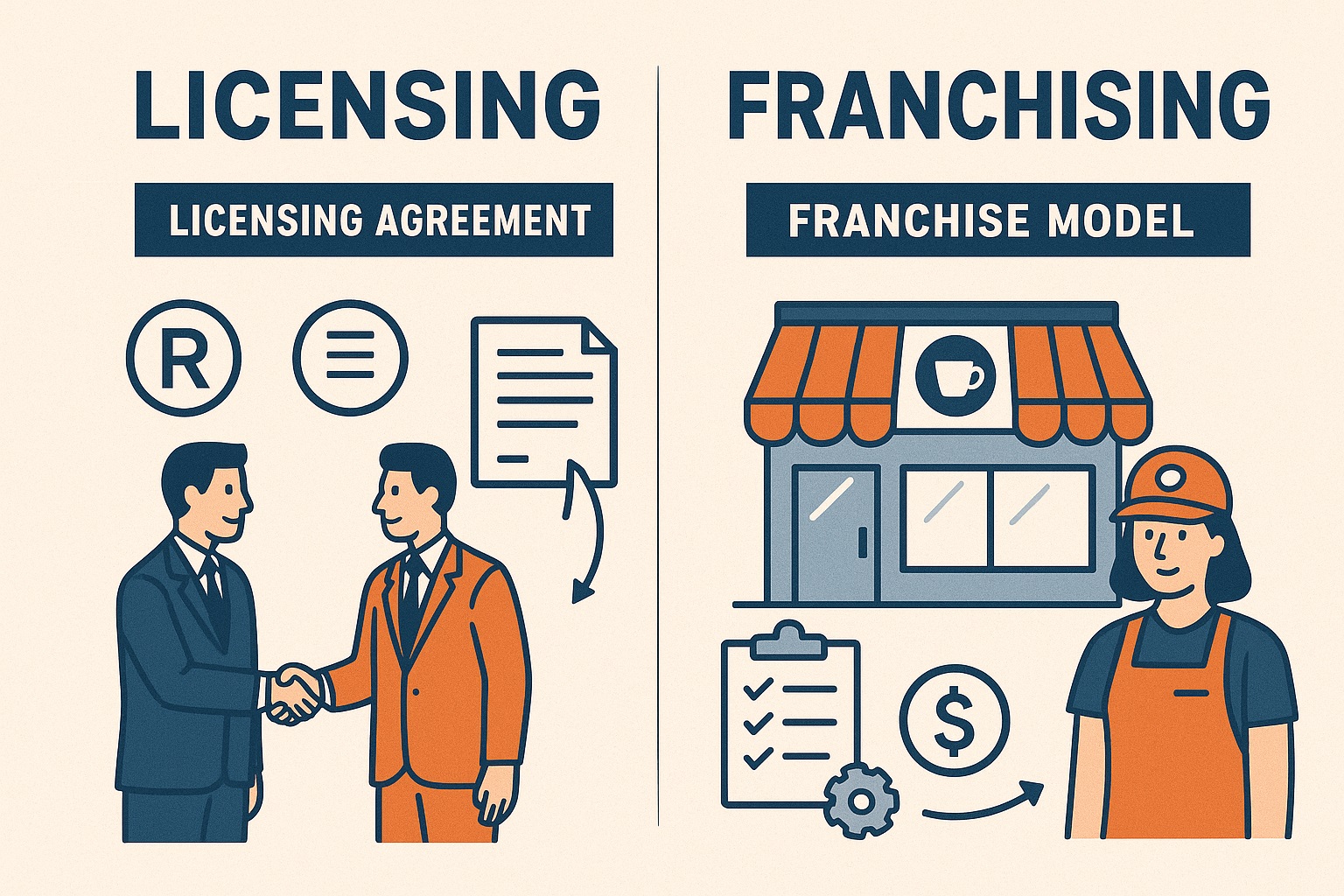
So, does that mean your dream of owning a Starbucks is out the window? Not quite. While you can’t technically buy a franchise, Starbucks does have something called licensed stores. This means that instead of being a franchise owner, you become a licensee, essentially renting the brand. You’ll run the day-to-day operations, but Starbucks supplies the coffee, branding, and a roadmap to operations.
The difference might seem minor, but it’s significant. Franchising gives you more freedom, while licensing means Starbucks has a bigger say in how things are run.
Why Starbucks Chooses Licensing Over Franchising?
Starbucks isn’t just about coffee; it’s about the experience. They want a warm, inviting decor to the carefully selected playlists and the precise foam height on your cappuccino. Every detail is thoughtfully designed to create a consistent vibe.
Franchising typically offers owners more freedom, which can work for many brands. However, Starbucks views it as a potential source of inconsistency. Just imagine stepping into a Starbucks in one city and encountering a totally different atmosphere, menu, or service quality. That would undermine the “Starbucks magic” the company has painstakingly built.
Also Starbucks aims for strong partnerships. Licensing agreements often involve large, established companies that already operate in airports, hotels, or shopping malls. This approach allows Starbucks to expand quickly while retaining significant control over its brand. It’s like letting someone else throw your party but still having a say in the playlist, drinks, and snacks.
In a nutshell, Starbucks prefers licensing because it enables them to grow without compromising their carefully crafted identity. The outcome? A global coffee empire that feels familiar, no matter where you grab your frappuccino.
McDonalds Franchise in India: Cost & Process
What Are The Cost And Requirements Of Opening A Starbucks Licensed Store?
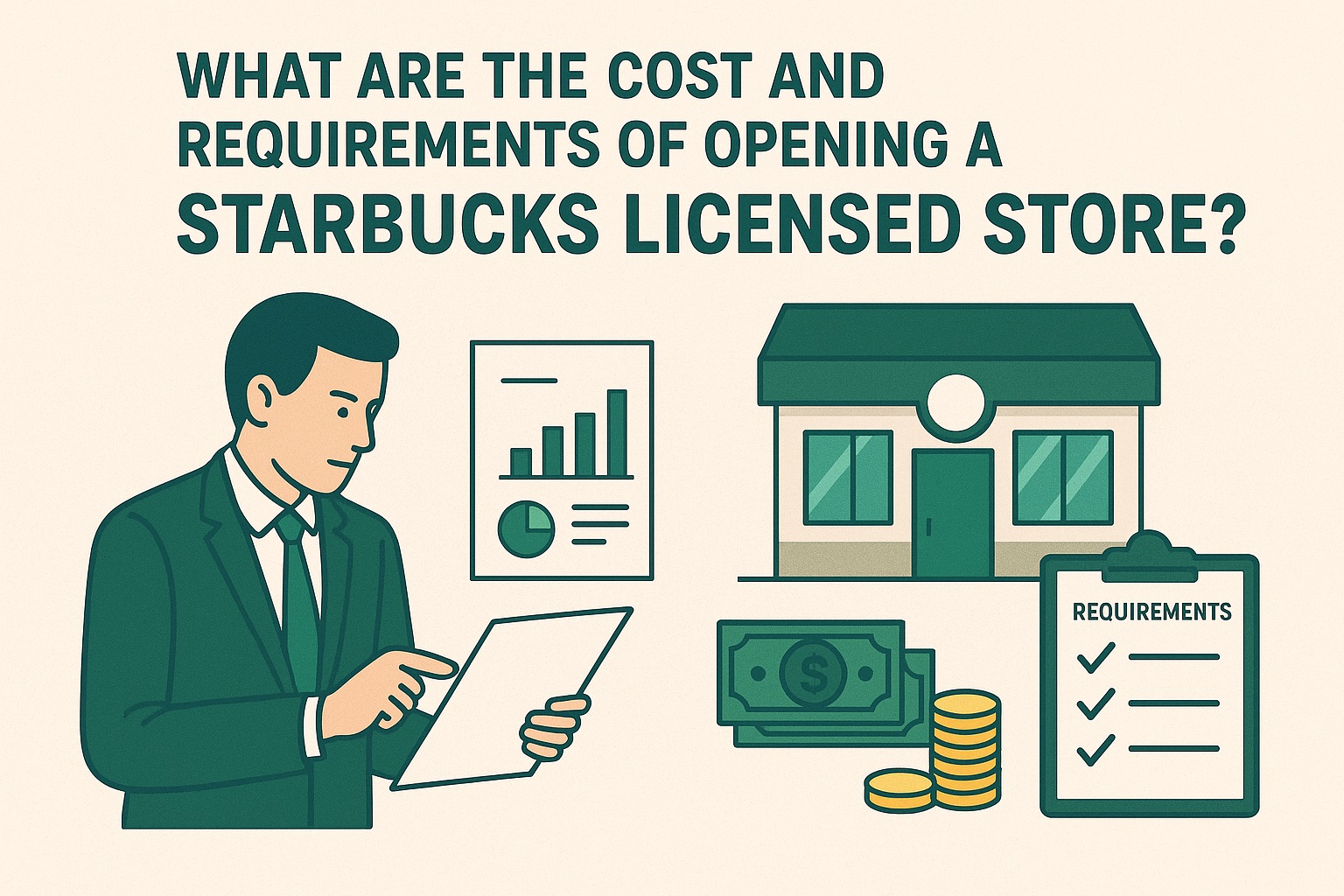
Let’s dive into the financial side of things. To open a licensed Starbucks store, you’re typically looking at an investment ranging from $315,000 to $500,000, and sometimes even more depending on where you set up shop. Unlike a standard franchise, there’s no one-time “buy-in” fee, but you’ll need to have substantial funds available for construction, equipment, and ongoing operating expenses. And keep in mind, this venture is about more than just selling coffee. You’re also investing in Starbucks’ global reputation, branding, and the overall customer experience.
Now, let’s discuss what’s required. Starbucks isn’t just going to hand over its iconic green mermaid logo to anyone. They seek partners who already have a solid business presence, like big companies, airports, hotels, universities, and shopping centers. Applicants need to demonstrate a successful history in managing retail or foodservice operations, along with the financial backing to support it. In simpler terms, Starbucks is more inclined to partner with a corporate heavyweight than with your local coffee aficionado.
On top of the financial requirements, licensees must adhere strictly to Starbucks’ guidelines. This includes everything from store design and product sourcing to staff training and even the music playlists. It’s their way of ensuring that whether you’re grabbing a cup in Manhattan or Mumbai, the experience remains consistent.
How Much Does It Cost to Start a Smoothie King Franchise?
The Process of Becoming a Starbucks Licensed Partner
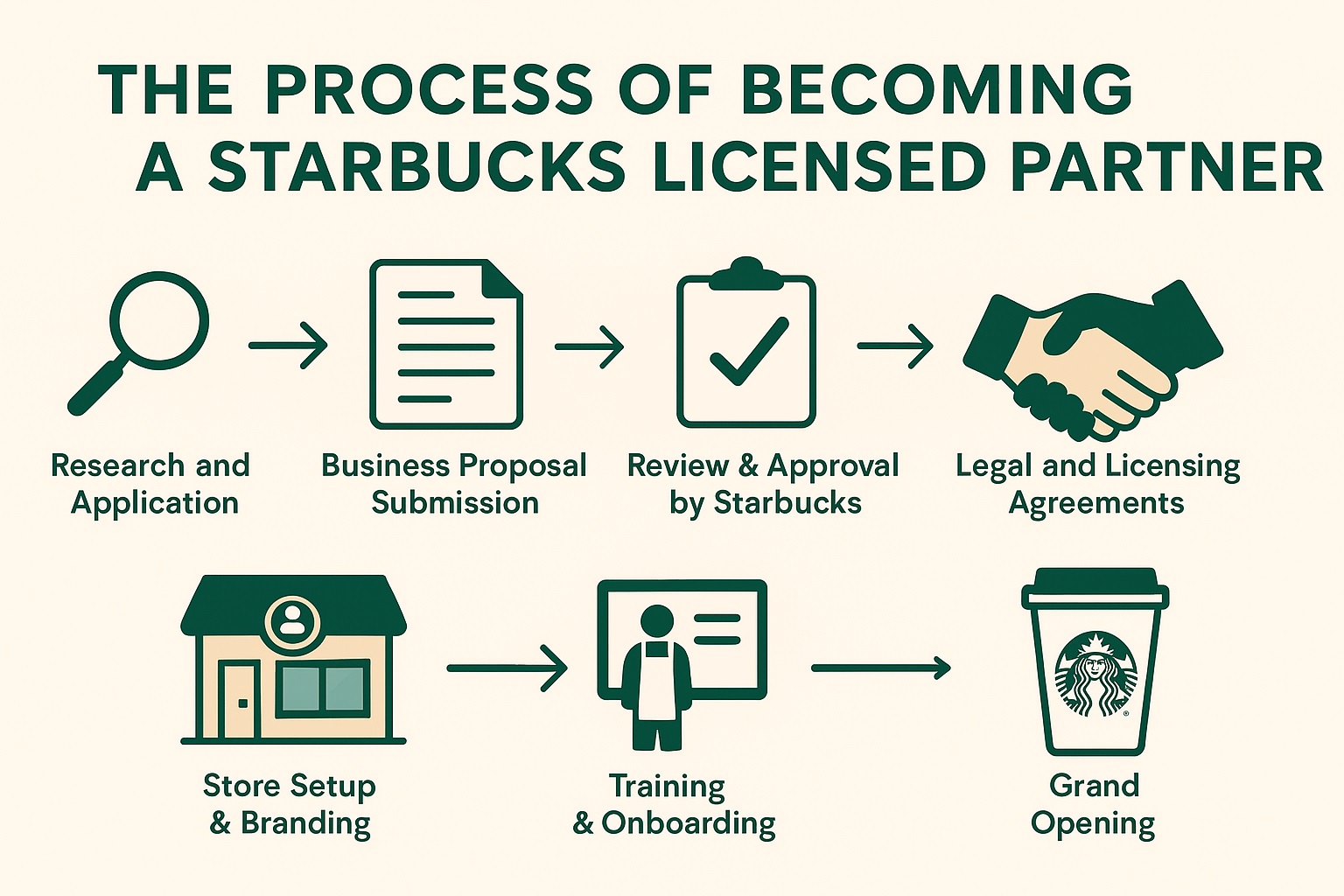
Securing a Starbucks licensing agreement isn’t a matter of submitting an application and going through a standardized approval process. Instead, it’s a strategic business development effort typically initiated by Starbucks itself or through existing relationships.
Starbucks’ business development team actively scouts for expansion opportunities in target venues. When the company identifies a desirable location—say, a new airport terminal being built or a growing university campus—they reach out to the property owner or operator to propose a partnership.
Alternatively, organizations with suitable venues can express interest to Starbucks, though success requires demonstrating significant existing operations and clear alignment with Starbucks’ strategic priorities. A single restaurateur hoping to add Starbucks to their portfolio will face a challenging path; a national retail chain proposing locations across 50 stores presents a compelling case.
Once mutual interest is established, negotiations address territory, number of locations, exclusivity terms, financial arrangements, operational requirements, and timeline. Legal teams draft agreements covering everything from quality standards to termination conditions. Due diligence examines the prospective partner’s financial health, operational capabilities, and cultural fit.
Approved partners then undergo intensive training. Management learns Starbucks’ operational systems, quality standards, inventory management, and customer service philosophy. Store teams complete barista training identical to what corporate employees receive. During the build-out phase, Starbucks representatives work closely with the partner to ensure construction meets specifications.
Pre-opening audits verify that equipment, inventory, training, and operational readiness meet requirements. Only after Starbucks approves all elements does the location open. Ongoing quality audits, mystery shopper programs, and regular communication ensure continued compliance.
How Much Does It Cost to Start a Raising Cane’s Franchise?
What Are The Advantages Of Owning A Starbucks Licensed Store?
First off, let’s talk about instant brand recognition. Starbucks is a name that’s known all around the globe. People don’t need any convincing to give it a shot, they already have that trust built in. This means your store comes with a loyal customer base right from the start, saving you years of marketing struggles.
Next up, you get to tap into Starbucks’ marketing muscle. With everything from global ad campaigns to seasonal hits like the Pumpkin Spice Latte, Starbucks does the heavy lifting to keep customers buzzing. Your licensed store can ride that wave without having to come up with a whole new strategy.
Then there’s the operational support. Starbucks offers everything from staff training to supply chain logistics, making sure your store runs like a well-oiled machine. You won’t have to worry about sourcing coffee beans or crafting the perfect menu, it’s all included in the deal.
Let’s not forget the location advantage. Many Starbucks licensed stores are found in prime spots like airports, universities, and shopping malls, places that are always buzzing with foot traffic. Being part of this network gives you access to high-demand areas that independent cafés can only dream of.
Let’s Compare Starbucks With Other Coffee Franchises
Let’s take Dunkin’ as an example. Dunkin’ operates on a classic franchise model, which means that just about anyone with the right funds and a bit of entrepreneurial spirit can open their own Dunkin’ shop. This setup gives franchisees a bit more freedom, but it doesn’t quite carry the same global allure that Starbucks has.
Then we have Tim Hortons, a beloved Canadian brand with a dedicated fan base. Similar to Dunkin’, it also franchises, allowing individuals to enjoy more autonomy in their daily operations. However, while Tim Hortons is well-known in North America, it doesn’t quite reach the same level of global recognition as Starbucks.
Over in the UK, Costa Coffee follows a familiar franchising approach as well. Costa provides franchise owners with flexibility while still benefiting from a solid European presence. That said, its global footprint is smaller when compared to the vast empire of the green mermaid.
On the flip side, Starbucks opts for a licensing model instead of franchising, which allows them to maintain strict control over their stores. This strategy guarantees a consistent experience for customers, but it also makes it tougher for aspiring small business owners to get a piece of the action.
What’s the History Behind Starbucks’ No-Franchise Approach?
Starbucks has maintained a steadfast commitment to corporate ownership since its early expansion days, a decision rooted in the company’s determination to protect its brand experience and operational standards. Unlike most fast-growing restaurant chains that turn to franchising for rapid expansion, Starbucks chose a different path—one that prioritizes control over consistency.
From Il Giornale to Starbucks: A Foundation in Uniformity
The story begins in 1987 when Howard Schultz’s Il Giornale acquired the original Starbucks coffee roasting company. Schultz had a vision inspired by Italian espresso bars: creating a “third place” between home and work where people could gather over expertly crafted coffee. To realize this vision authentically, Schultz believed every store needed to deliver an identical experience—the same quality beverages, the same ambiance, the same customer service philosophy.
Franchising would have meant relinquishing control to independent operators, each potentially interpreting the Starbucks concept differently. Instead, Schultz built a company-owned model where every barista received the same training, every store followed the same design standards, and every cup was made to the same specifications. This approach allowed Starbucks to evolve its menu, implement new sustainability initiatives, and update store formats uniformly across all locations.
The Introduction of the Licensing Model
As Starbucks grew throughout the 1990s, the company encountered locations where traditional company-owned stores weren’t practical or possible. Airports, universities, grocery stores, and hotels presented unique opportunities but came with operational constraints—existing lease agreements, security requirements, or institutional partnerships that made direct ownership challenging.
Rather than compromise its no-franchise stance, Starbucks developed a licensing program. This allowed the company to expand into these specialized venues while maintaining significant control over operations. Unlike franchising, where owners purchase the right to run a semi-independent business, licensing partners operate under much tighter oversight, essentially running a Starbucks store on behalf of the company within their established facility.
Conclusion
For entrepreneurs, the choice is simple: if you want flexibility, explore other coffee franchises; if you want prestige and consistency, Starbucks is the ultimate prize.
 About Carson Derrow