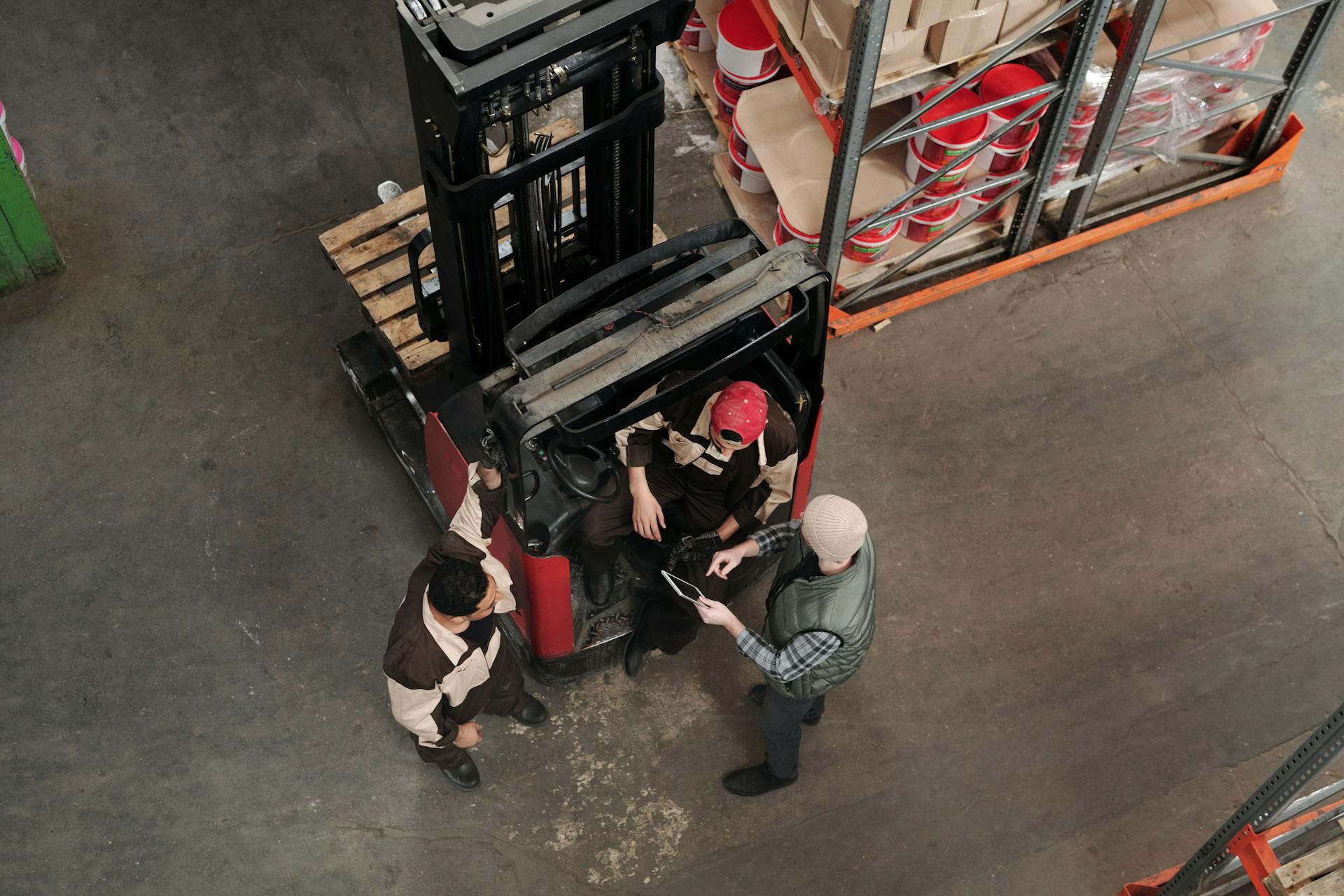
An efficient and well-maintained forklift fleet is essential for ensuring seamless operations in the logistics and warehousing industries. It allows businesses to move goods swiftly and safely, especially during periods of heightened activity. In Singapore, peak seasons such as the year-end holidays, large-scale e-commerce events like 11.11 and 12.12, and preparations for Chinese New Year bring a sharp surge in volume and urgency. During these periods, orders must be processed quickly to meet tighter turnaround times. Concurrently, forklifts are expected to operate at full capacity with minimal downtime. Under this pressure, even a minor component failure can cause costly delays and safety concerns.
To stay ahead of these challenges, businesses must take a proactive and strategic approach to forklift parts management. Aside from reactive repairs, consistent inspections and well-trained operators play critical roles in ensuring the fleet can handle peak-season demands. If you want to keep your operations running smoothly when it matters most, below are key strategies to help you manage forklift parts effectively.
Table of Contents
1. Prioritise Regular Inspection of Critical Forklift Parts
One of the most fundamental strategies is to carry out routine inspections of high-wear forklift parts. During peak season, forklifts operate more intensively, which naturally leads to quicker degradation of essential components. Therefore, it’s critical to focus on parts that are most prone to wear and can directly impact safety and performance if compromised.
Start by inspecting the forks, as they bear the load and are constantly in contact with heavy materials. Look for visible signs of damage such as cracks, bends, or excessive wear at the heel. Uneven fork tines can affect load stability and lead to accidents. Similarly, the hydraulic system that powers the lifting mechanism should be closely monitored. Leaks in hoses, worn-out seals, or reduced lifting speed may signal internal issues that could worsen under heavy use.
Equally important are the mast and lift chains, which allow the forklift to raise and lower pallets. These parts must be properly lubricated and free from rust, kinks, or stretching. Otherwise, poorly maintained chains can snap or cause jerky lifting motion. Tyres also require close attention. Check for bald spots, cracks, or chunking, particularly on cushion tyres used in indoor environments. Tyres that are overly worn can reduce traction and stability, especially on warehouse ramps or polished concrete floors.
Lastly, never overlook brakes and steering systems. Delayed braking or unresponsive steering can pose major hazards in tight warehouse settings. Regularly test both components and replace parts like brake pads or steering bushings as soon as wear is detected.
2. Stock Up on High-Turnover Spare Parts
With forklifts working around the clock, certain parts are likely to require replacement more frequently. To avoid disruptions due to unavailable components, businesses should proactively stock high-turnover spare parts ahead of peak seasons.
Some of the most commonly needed spares include brake pads, hydraulic seals, filters, hoses, tyres, and batteries for electric forklifts. When demand surges, these parts can run out quickly, especially if your supplier is also serving other clients facing similar seasonal pressures.
3. Work with Certified Technicians and OEM-Approved Parts
Although it may be tempting to save time and money with generic parts or in-house fixes, cutting corners during peak season can lead to larger costs down the road. That said, it’s strongly advisable to work with certified forklift technicians who understand the technical specifications of your equipment and can carry out proper diagnostics and repairs.
Using OEM-approved parts helps ensure compatibility and performance. These parts are designed and tested specifically for your forklift make and model, reducing the likelihood of premature wear or failure. In addition, engaging authorised service providers in Singapore helps you maintain compliance with local Workplace Safety and Health standards under the Ministry of Manpower.
4. Train Operators to Spot Early Warning Signs
Forklift operators spend the most time with the equipment, making them your first line of defence against potential part failures. This is why it’s essential to train them to recognise and report early warning signs, which can include leaking hydraulic fluid, unusual noises such as grinding or hissing, difficulty steering, jerky lifting, or dashboard warning lights. Prompt reporting ensures that these minor issues are addressed before they develop into serious problems. Operators should also be encouraged to perform quick walkaround inspections at the start of every shift and to log any irregularities immediately.
5. Implement a Digital Maintenance Schedule
Relying on manual logs and memory to track forklift maintenance is risky. It increases the chances of missed service intervals and overlooked issues, especially when you’re managing a busy fleet.
Fleet management software and digital maintenance systems are far more reliable solutions for helping you stay on top of routine servicing, parts replacement, and inspections. These tools allow businesses to automate maintenance reminders, set inspection intervals, and store detailed records for each vehicle in the fleet. With digital tracking, it’s also easier to predict when certain parts may need attention based on usage hours or lift cycles. Additionally, data gathered over time can help you identify trends, such as recurring issues with specific forklift models or components, enabling smarter decision-making.
In Singapore’s competitive logistics landscape, how well you manage your forklift fleet during peak periods can be the difference between meeting targets and falling behind. To succeed, it’s a must to address immediate issues as well as adopt a long-term mindset rooted in operational resilience. When your equipment runs smoothly, your entire supply chain moves with greater speed and precision, which ultimately strengthens your business.