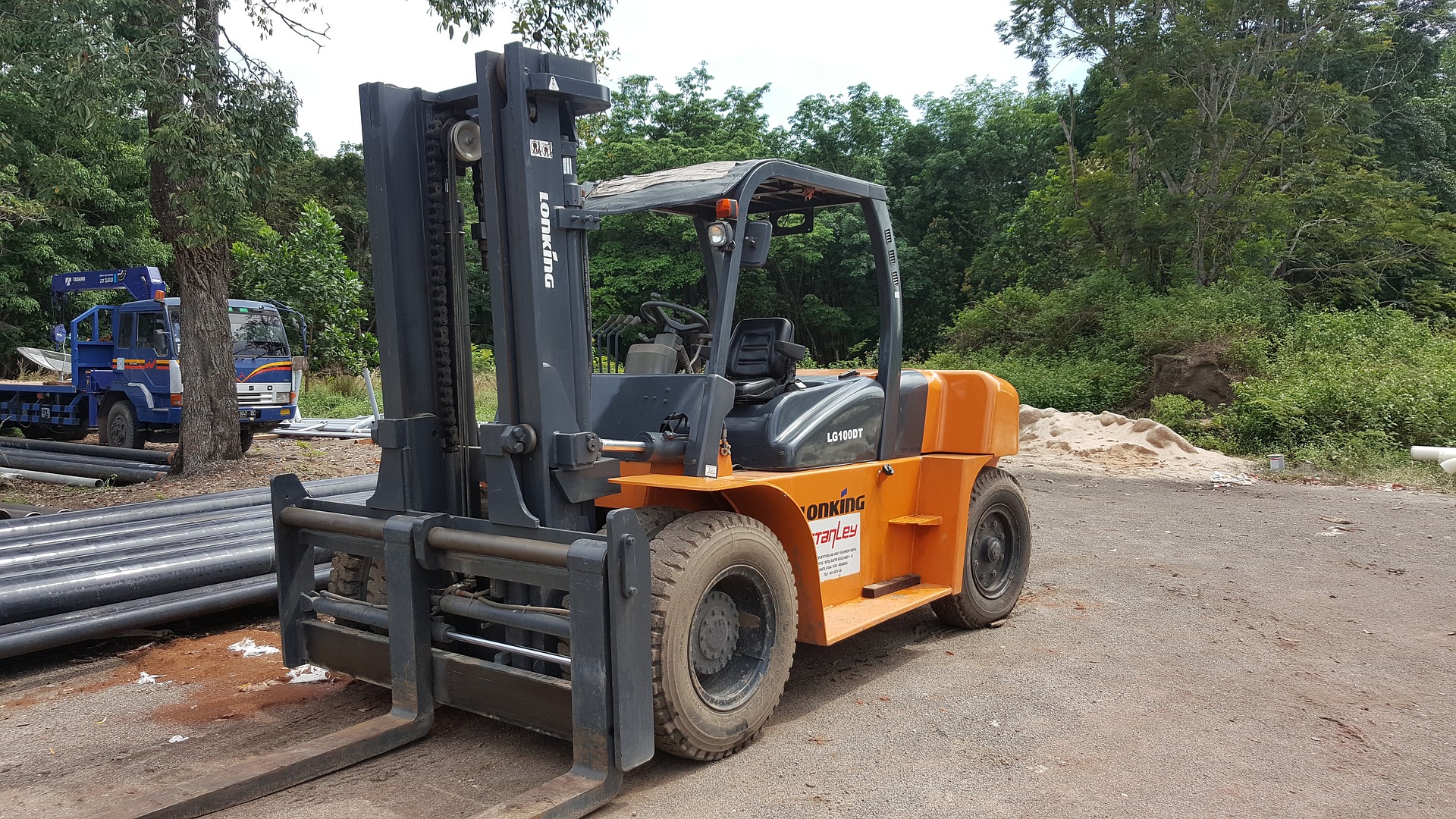
The humble aspiration to wring the most from your forklift—make it work smarter, not harder. After all, who wouldn’t want a machine that does its job efficiently, lasts longer, and is cheaper to run? In this article, we look at three important ways in which you can maximize your forklift’s potential while keeping things easy and manageable. Ready to raise the stakes on productivity and save a few seconds? Let’s jump right into it.
Table of Contents
Smoother Travel Routes and Workflow for Your Forklift
First things first: have you ever stopped to consider how much time your forklift spends just in motion? It’s not just about lifting and stacking. Every second wasted driving from point A to point B is a waste of time. The solution? Streamline your forklift’s travel routes and smooth out the overall workflow.
Picture it: a warehouse floor with merchandise placed purposefully, clear lanes, and a smart layout. Now, imagine how much time you could shave off daily operations if your forklift operators followed optimized paths that minimized travel distances. It’s not rocket science—just a little planning and rethinking of your space.
Ask yourself if your high-demand items are located near the loading and unloading areas, and if your forklift has clear, consistent pathways to travel unencumbered. You can save an amazing amount of time and cut fuel costs with a few minor adjustments to your layout. Moreover, this can help you avoid unnecessary wear and tear on your forklift and extend its useful life.
Attachments Can Make All the Difference
Now, let’s talk versatility: forklifts are powerful machines, but their capabilities can go much farther than simply lifting pallets if you use the right attachments. One of many attachments that really makes the utility of your forklift go the extra mile is a high-quality forklift trailer hitch.
You may ask yourself, why would a trailer hitch be used on a forklift? It’s pretty simple: this attachment turns your forklift into a pulling machine. Imagine being able to move trailers, carts, or even small equipment without needing a separate vehicle. It’s definitely a game-changer when you work in a facility that requires a lot of movement of heavy loads over short distances.
And that’s the beauty of a forklift trailer hitch: it provides a great deal of versatility with your equipment, without adding much complexity. You just hook it up and go. The key here is to make sure you use the correct attachment on your particular forklift model and that it’s in good repair. I can promise you one thing—you’ll wonder how you ever lived without it once you use it.
Fleet Management Systems: The Silent Game Changer
If you operate more than one forklift, this one’s for you. Ever get that gut feeling your fleet could work harder, but you’re not quite sure where to start? Enter fleet management systems, which may well be the secret weapon you’ve been unaware of.
Let’s break it down: Fleet management software is used to track everything, from the frequency of use for each forklift to when maintenance is due, and how much fuel is consumed. Think of it like a dashboard for your forklift operations. You can’t help but recognize inefficiencies with this type of oversight—identify where you’re wasting resources and even prolong the life of your equipment by staying on top of regular maintenance.
But the best part is that fleet management is not reserved for those giant organizations that have hundreds of forklifts. Even in a small operation, this system can help optimize performance. Imagine knowing exactly which forklift is due for maintenance before it breaks down. Or having data showing you where to cut back on fuel usage. It’s a smart way to keep things running without having to manually track every little detail.
How It All Comes Together
Now let’s wrap things up. Route optimization, using smart attachments like a forklift trailer hitch, and fleet management systems represent three easy, yet powerful ways to get your forklift to work smarter, not harder.
You’re probably asking yourself, “That’s all well and good, but should I make all of these changes?” The quick response: yes, if you want to save time, money, and hassle in the long run. Think of it like this—small changes can lead to big results. By tweaking your layout, investing in versatile attachments, and leveraging technology to track performance, you’ll see improvements in productivity almost immediately.
And here’s the best part: none of these strategies are very complex or costly to implement. Most warehouses can start streamlining their workflow today with just a few changes. Attachments like a forklift trailer hitch are relatively inexpensive and easy to install. And fleet management systems? They practically pay for themselves when you factor in the savings on maintenance and fuel.
Don’t Let Your Forklift Work Harder Than It Has To
The point of it all is being proactive—trying to make your forklift work smarter, rather than waiting for breakdowns, inefficiencies, and wasted time. Start thinking today about how to get more from your forklift with the implementation of these simple strategies. Save yourself a great deal of stress, and your forklift will thank you for it.
So, ready to make your forklift the smartest machine on the floor? It’s easier than you think. A little planning, the right tools, and smart tracking will go a long way toward improving your operations and keeping everything running smoothly.
If you have a forklift in your fleet, these changes will help you work more efficiently and prolong the life of your equipment. And honestly, who wouldn’t want that?
Now, let’s make those forklifts work smarter, not harder—because every second counts in the fast-moving world of material handling.