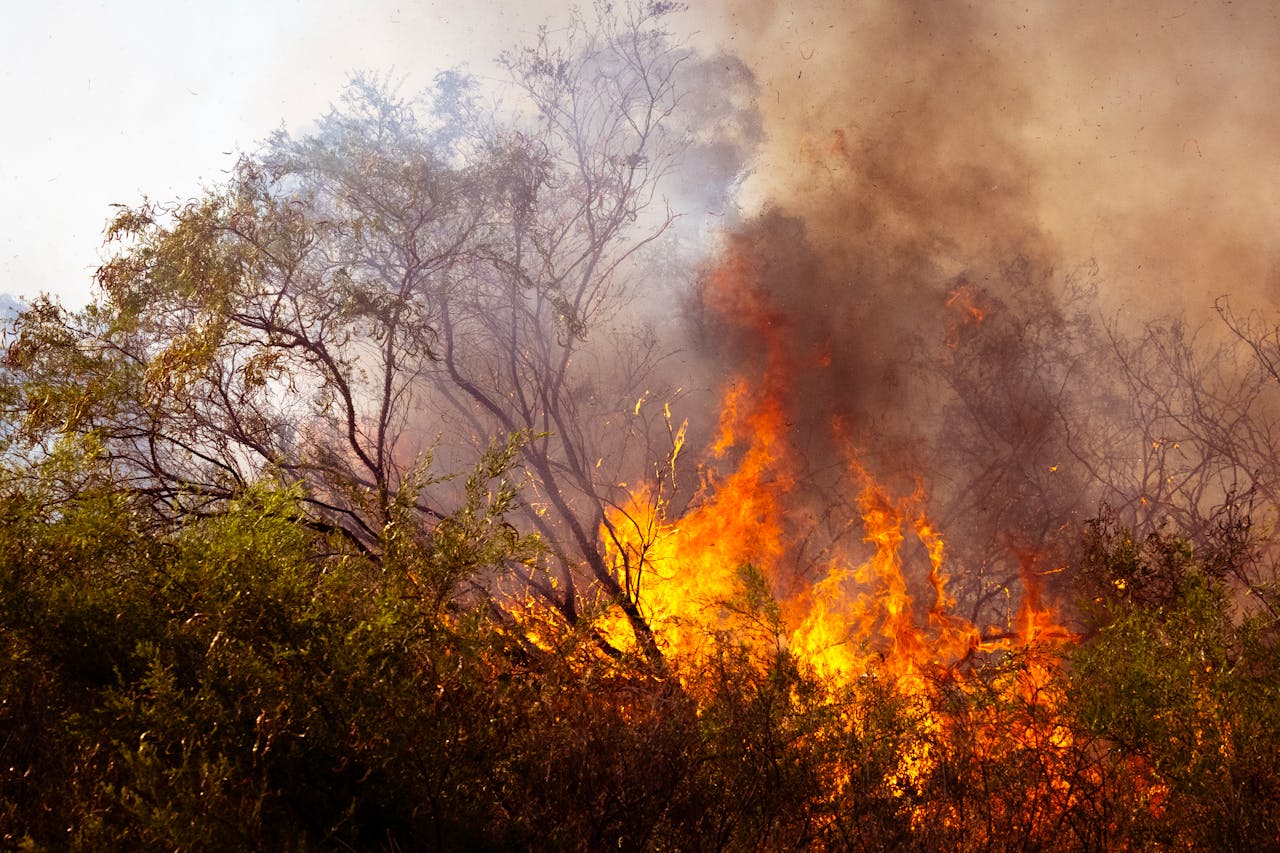
The best fire pumps for bushfire zones in rural Australia are high-pressure models that deliver strong water flow and reliability during emergencies. These pumps are specifically tailored to handle the demanding conditions that come with bushfire threats and can make a vital difference when time and safety are at stake. Homeowners and property managers in rural regions should consider fire pumps that feature both high pressure and durability to ensure that they’re well-prepared for emergencies.
Selecting the right fire pumps for emergencies requires awareness of local risks, property layout, and access to water sources. There are a number of high-pressure fire pumps created specifically for bushfire situations, which are tailored to withstand tough Australian conditions and deliver maximum efficiency.
Key Takeaways
- Choose high-pressure fire pumps for bushfire protection.
- Focus on durability and strong water flow.
- Reliable equipment is essential for rural safety.
Table of Contents
Key Criteria for Choosing a Fire Pump for Bushfire Zones
Choosing a firefighting pump for bushfire-prone rural properties depends on matching the pump’s capabilities to the demands of high-intensity fires and local conditions. Reliability, ease of use, suitable power source, and water delivery rates are all essential for effective fire protection.
Understanding Pressure and Flow Requirements
Fire safety in bushfire zones is highly dependent on a pump’s ability to deliver both the required water flow and pressure. High flow rates, usually ranging from 400 to 1450 litres per minute, are essential to cover large areas and to operate multiple hoses at once. A pump with enough pressure—often up to 100 psi or more—allows the system to reach elevated rooftops and distant fire fronts, key during fast-moving emergencies.
Properties should consider the layout and size when assessing the needed maximum head and flow rates. If the property sits on hilly or uneven ground, the pump must generate higher pressures to ensure water reaches all areas. Compatibility with water tanks, suction hoses, and long hose runs is vital for both flow and effective bushfire preparation.
Power Sources: Petrol Versus Diesel Options
Selecting the right power source impacts a fire fighting pump’s reliability in fire emergencies. Petrol-driven pumps, such as those featuring a Honda engine, are valued for their portability and easy starting. However, they may not be as robust under prolonged use or extreme heat conditions. Diesel fire fighting pumps provide improved durability and safe operation because diesel fuel is less flammable than petrol. These pumps tend to have a longer service lifespan and consistent performance during natural disasters. Accessibility to fuel should also shape the decision—diesel is often found in rural settings where other farm equipment shares the same power source.
When considering power, it is also important to look at backup starting methods, such as recoil and electric start, especially for ensuring usability during high-stress fire emergencies. Durability, pump end warranty, and the availability of pump repair services should factor into the decision for fire-prone areas.
Pump Types: Single Impeller, Twin Impeller, and Self-Priming
The most common fire fighting pump designs used in bushfires are single impeller, twin impeller, and self-priming centrifugal pumps. A single impeller pump balances simplicity and flow, suiting smaller properties with moderate pressure needs. Twin impeller pumps deliver significantly higher pressures, making them better suited for larger rural properties where high-pressure output and longer hose runs are needed. This type equips users to fight fires over greater distances and elevation changes.
A self-priming pump is essential for situations where the pump must draw water from a tank, dam, or static supply. Fast priming capability means quick deployment, which can be decisive during a bushfire emergency. Ensuring the system includes reliable check valves and user-friendly suction hose connections improves accessibility and reduces the likelihood of priming failure.
Leading Fire Pump Solutions and Best Practices in Rural Australia
Reliable fire pump selection and care is essential for defending rural Australian properties from bushfires. Top-rated pump brands, well-matched applications, and rigorous maintenance routines all contribute to effective emergency response.
Applications Beyond Fire Protection
Rural fire pumps provide value beyond direct bushfire defence. Many property owners use these pumps for irrigation, efficient water transfer, and on-farm tasks like dust suppression or equipment washdown. As a result, having a durable, portable fire pump becomes an everyday tool, not only an emergency asset.
For farms, the same high-pressure features used for fire protection are ideal for moving water to tanks, troughs, and garden beds. Pumps can also be deployed to support machinery cleaning and general property maintenance, maximising return on investment during non-fire periods. Multipurpose use underlines the need for choosing equipment that’s not just suitable for fires, but also adapted to regular rural applications.
Conclusion
Choosing a fire pump for bushfire zones in rural Australia requires a balance of performance, reliability, and ease of use. Single-stage pumps are valued for their capacity to process large volumes of water, while twin-stage pumps deliver higher head performance for demanding conditions.
Selecting equipment specifically rated for bushfire preparedness increases safety and resilience. Comparing specifications and considering local needs ensures residents are properly equipped for fast and efficient fire-fighting.