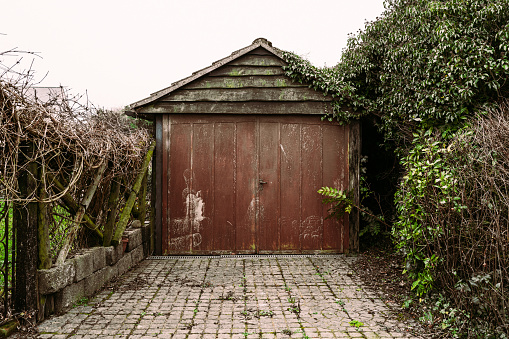
Did you ever wonder about the history of garages? Ancient wagons were made with wood, metal, bone, plant fibers, animal skins, and sinew. Storing them out of the weather protected them from pesty critters and theft. With the invention of automobiles, modern garage architecture evolved along with technology. In 1921, entrepreneur and innovator C.G. Johnson invented the first overhead door. Five years afterward, he designed the first electric garage door opener.
Table of Contents
The Difference Between Commercial and Residential Garage Doors
Although many people rented space in public garages during the early days of cars, the popularity of owning a small garage near the home quickly grew. Today’s commercial garages are larger and constructed to withstand constant use.
Garage Door Materials
Modern garage doors are usually made with one of the four following materials:
Wood
Advantages include classic beauty, customizability, and natural insulation; disadvantages include weight, cost, the need for frequent maintenance care, and the potential to warp and rot.
Fiberglass
Fiberglass garage doors are lightweight, economical, similar in appearance to natural wood, and ideal for warm and humid climates without warping, shrinking, rusting, or corroding; disadvantages include brittleness, the possibility of damage in high winds, the need for the full replacement when cracked, and a tendency to yellow over time.
Steel
Advantages include being lightweight, low-maintenance, durable, economical, and available in several style options; disadvantages include the lack of insulating ability and a predisposition to rust and corrosion.
Aluminum
Aluminum garage doors are resistant to rust and corrosion, lightweight, low-maintenance, and available in many colors; disadvantages include a tendency to dent easily, the lack of insulating ability, and loss of durability with hot weather exposure.
Choosing the Best Garage Door
No single material is right for everyone. The best choice for you depends on your budget, the climate where you live, and your ability to keep up with cleaning and maintenance.
Faux Wood Is Not a Faux Pas
What does “faux” mean, anyway? It rhymes with “pro” and comes from the French word for “false” or “imitation” but in a chic, fashionable way. “Pas” — rhymes with “paw”– refers to a footstep. A faux pas is a misstep, especially an embarrassing social blunder. Choosing faux wood garage doors is not a faux pas because you get the best of all worlds when you conserve our forests.
Caring for Your Garage Door
Although faux wood garage doors are much easier to care for than wood, you still want to protect your investment with preventive maintenance. Inspect all surfaces, moving parts, and attachments. Check for rust, cracks, and deterioration. For safety, cables, chains, and belts require servicing by a trained technician. Read the manufacturer’s recommendations or consult your installer about the correct application of lubricants. Test batteries and bulbs, keeping spares nearby. Examine the weather seal at the bottom of the door and the condition of the springs.
Tip: Establish a relationship with a reliable garage door installer in your area with 24-hour emergency repair service. If the door is damaged from a break-in or a weather event, help arrives quickly.
Conclusion
Opting for faux wood garage doors offers you a wide range of choices, whatever your situation. Your investment in a quality garage door will reward you with protection, beauty, and reliable service for years.
 About Carson Derrow