
The traditional vacation, where you take time away from home and work, has changed completely with work-from-anywhere jobs. Suddenly, working from a beach house on the South Carolina coast is no different from working out of a New York apartment. All you need is the right hardware and a fiber internet connection to work from anywhere.
This shift is reshaping both vacation habits and remote work culture. Employees benefit from the flexibility of working from anywhere. A change of scenery can revitalize remote and hybrid workers, which is an important consideration when 86% of the fully remote workforce report burnout. Employers have to grapple with how remote work affects their policies, while the vacation industry itself increasingly recognizes the need for work connectivity, even for guests who are, in theory, off the clock.
Table of Contents
How Vacation Season Is Evolving
Remote work culture normalized a flexible mix of travel, leisure, and productivity that would have been unthinkable a few years ago. Vacations are no longer tied to strict office schedules; employees are abandoning fixed getaways in favor of extended “workations” where they work remotely from their vacation destination.
For employers, this new flexibility offers both challenges and opportunities. On the one hand, “workations” allow employees to remain in contact during their vacations, so they’re “always on.” On the other hand, employers are unsure how to calculate traditional PTO when employees work from vacation destinations, and often have concerns about the security of vacation rental connections.
The Rise of the Work-from-Anywhere Lifestyle
Work-from-anywhere jobs allow remote employees to blend vacations with work, producing entirely new approaches to work-life balance. Some of the factors impacting remote work culture include:
Workations and Extended Stays
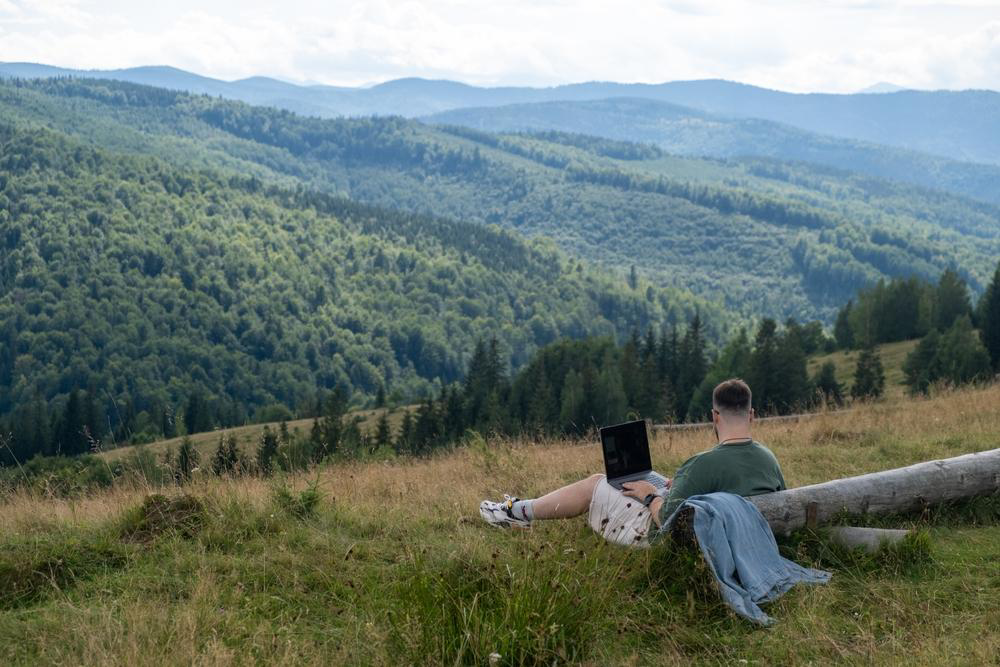
Perhaps the most common blend of work and vacation, a workation combines remote work with extended travel. Workation can last several weeks or even months, allowing employees time to enjoy their surroundings at a relaxed pace while remaining productive.
Employees on extended workations typically base themselves in short-term rentals, where they have access to reliable Wi-Fi, kitchen amenities, and room to create a dedicated workspace. When possible, employees should ask rental properties for an accurate internet speed test before their trip.
Rural and Nontraditional Destinations
Reliable connectivity is key to the success of any working vacation. With the rise of stronger rural internet options, including fiber in some areas, remote workers are increasingly drawn to quieter, less crowded destinations where they can stay productive without sacrificing speed or reliability. Checking Wi-Fi speeds and available internet infrastructure is an important first step when planning a trip.
What is fiber internet, and why does the distinction matter? It’s a type of high-speed connection that uses light signals to deliver faster, more reliable performance—making it especially valuable for video calls, collaboration tools, and other bandwidth-heavy tasks.
For remote workers experiencing burnout, these destinations offer a chance to reset in a calmer environment while maintaining their responsibilities. The key is finding a location that supports both productivity and a slower, more intentional pace of life.
Flexibility Integral to Remote Work Culture
Hybrid work schedules and location flexibility are no longer job perks: they’re expected by employees. In response, many businesses have shifted from 9-to-5 expectations to an outcome-focused culture that trusts employees to manage when, where, and how they work. When implemented properly, this trend results in higher productivity, stronger retention, and better well-being.
- Schedule Autonomy: Employees structure work demands around personal responsibilities without fear of being penalized, as long as they complete their work in a timely, productive manner.
- Outcome-Focused Goals: Work-from-anywhere jobs focus on results and deliverables instead of demanding staff be on-site and present for a traditional workday.
- Customized Arrangements: Work locations are assigned based on whether the task requires individual focus or in-person collaborations, allowing for remote or hybrid work schedules.
- Work-Life Balance: Flexible work schedules and locations reduce burnout and improve well-being by recognizing that employees have full lives outside of work.
Hush Vacations
A growing side effect of blending work and travel is the “hush vacation,” where employees work remotely from a vacation destination without informing their employer, avoiding the use of PTO. While appealing, this approach carries risks. Employers often need to know where employees are working for legal, tax, and security reasons, and being discovered could lead to disciplinary action.
There are also practical challenges. Time zone differences, unreliable Wi-Fi, and unexpected distractions can disrupt productivity and may reveal the situation unintentionally. For most remote workers, planning ahead and being transparent is the safer approach.
How Connectivity Shapes Modern Remote Travel
Connectivity is vital for remote workers, whether they’re working from home, taking a workation, or are true digital nomads. Videoconferences, cloud-based tools, and collaboration apps all require a stable, high-speed internet connection. Without such a connection, your productivity suffers, tasks take longer, and your work-life balance shifts as you try to troubleshoot solutions.
The Benefits and Tradeoffs of Working Remotely While Traveling
Greater flexibility and lifestyle freedom
Employees can visit family and experience new places without disconnecting from the workplace.
Challenges around boundaries and burnout
Blending work and travel can make it difficult to fully unplug and relax. Sure, you’re at the beach, but there’s always the temptation (or need) to check your email or the status of a project’s process. “Always-on” remote work culture can create new pressures, with employers expecting immediate responses no matter where you are.
Financial and logistical considerations
The life of a digital nomad can quickly become expensive. Renting vacation space, arranging transportation, and securing internet access can put pressure on your monthly budget. Logistics can also complicate matters: time zone differences can interfere with video calls and collaboration, requiring you to be online early in the morning or late at night.
Where you work also requires careful consideration. If you’re working in a different state from your home, will you need to pay taxes in both states? If you’ve fully embraced the digital nomad lifestyle and want to work while traveling abroad, you may need to secure a work visa to avoid legal problems.

How travel destinations are adapting to remote work
Hotels and vacation rentals increasingly market towards remote workers, advertising coworking spaces, improved connectivity, and the digital infrastructure needed for work-from-anywhere jobs. Many hotels and long-stay rentals now offer discounts and subscription-based pricing to remote workers and include ergonomic workspaces in their units.
Internationally, over 60 countries offer long-term remote work visas, allowing digital nomads to work legally within their borders. Long-term rentals benefit the local economy, as remote workers shop and dine near their rentals.
What Remote Work Means for the Future of Work and Travel
Work-from-anywhere jobs blurred the line between home, office, and vacation. While traditional managers may balk at the remote work in favor of return to office policies, it’s unlikely they’ll put this particular genie back in the bottle. And with happier, more productive employees, why would they want to? As connectivity and infrastructure increasingly shape where people choose to live and work, it’s not surprising that those same factors now influence travel decisions. When the remote work culture embraces these changes, employees’ lives improve.