For U.S. citizens hoping to bring a foreign fiancé(e) to the United States, Form I-129F is the first official step in a process that ultimately leads to a K-1 fiancé(e) visa. But the form itself is only part of what gets submitted. The full filing package — the collection of documents, evidence, and supporting materials sent alongside the petition — plays a significant role in whether U.S. Citizenship and Immigration Services (USCIS) approves the case without delays or issues a request for additional evidence.
Understanding what belongs in that package, and why each element matters, is one of the more practical ways to prepare before filing.
Table of Contents
What Form I-129F actually does
Form I-129F, Petition for Alien Fiancé(e), is a petition filed by a U.S. citizen with USCIS on behalf of a foreign fiancé(e) living abroad. Filing the form does not itself grant a visa. Instead, it asks USCIS to determine whether a qualifying relationship exists — a necessary step before the foreign fiancé(e) can apply for a K-1 visa at a U.S. embassy or consulate.
To be eligible to file, the petitioner must be a U.S. citizen. Lawful permanent residents are not eligible to use this form. Both parties must be legally free to marry, and the couple must have met in person within the past two years (with limited exceptions for cultural or hardship-based waivers). The intent to marry within 90 days of the fiancé(e)’s entry into the United States must also be clearly established.
The core components of an I-129F package
Because Form I-129F is filed by mail — online filing is not available — the package must be complete and accurate before it leaves the petitioner’s hands. Missing or inconsistent documents are among the most frequently cited reasons for processing delays, and errors can prompt a Request for Evidence (RFE) that adds months to an already lengthy timeline.
A complete I-129F filing package typically includes the following:
- Completed and signed Form I-129F. The form must reflect the most current version available from USCIS, as outdated versions are rejected.
- Proof of U.S. citizenship. This may be a copy of a U.S. passport, birth certificate, or naturalization certificate, depending on the petitioner’s circumstances.
- Filing fee payment. USCIS charges a nonrefundable $675 filing fee for Form I-129F. This is separate from subsequent fees, such as the K-1 visa application fee, medical exam costs, and adjustment of status fees paid later in the process. Fee amounts are subject to change, so petitioners should verify the current fee using the USCIS fee schedule before submitting.
- Passport-style photos of both parties. Photos must have been taken within 30 days of filing.
- Evidence of the relationship. This is one of the most important elements of the package. USCIS scrutinizes I-129F petitions closely for proof of a genuine relationship. Supporting evidence frequently includes photos of the couple together, travel records documenting in-person meetings, and records of ongoing communication.
- Written statements of intent to marry. Both the petitioner and the fiancé(e) should provide signed statements affirming their intent to marry within 90 days of entry.
- Evidence of legal eligibility to marry. If either party has been previously married, documentation showing that all prior marriages were legally terminated — through divorce decrees, annulments, or death certificates — must be included.
- Certified translations. Any documents not in English must be accompanied by a certified English translation and a statement from the translator attesting to their competence.
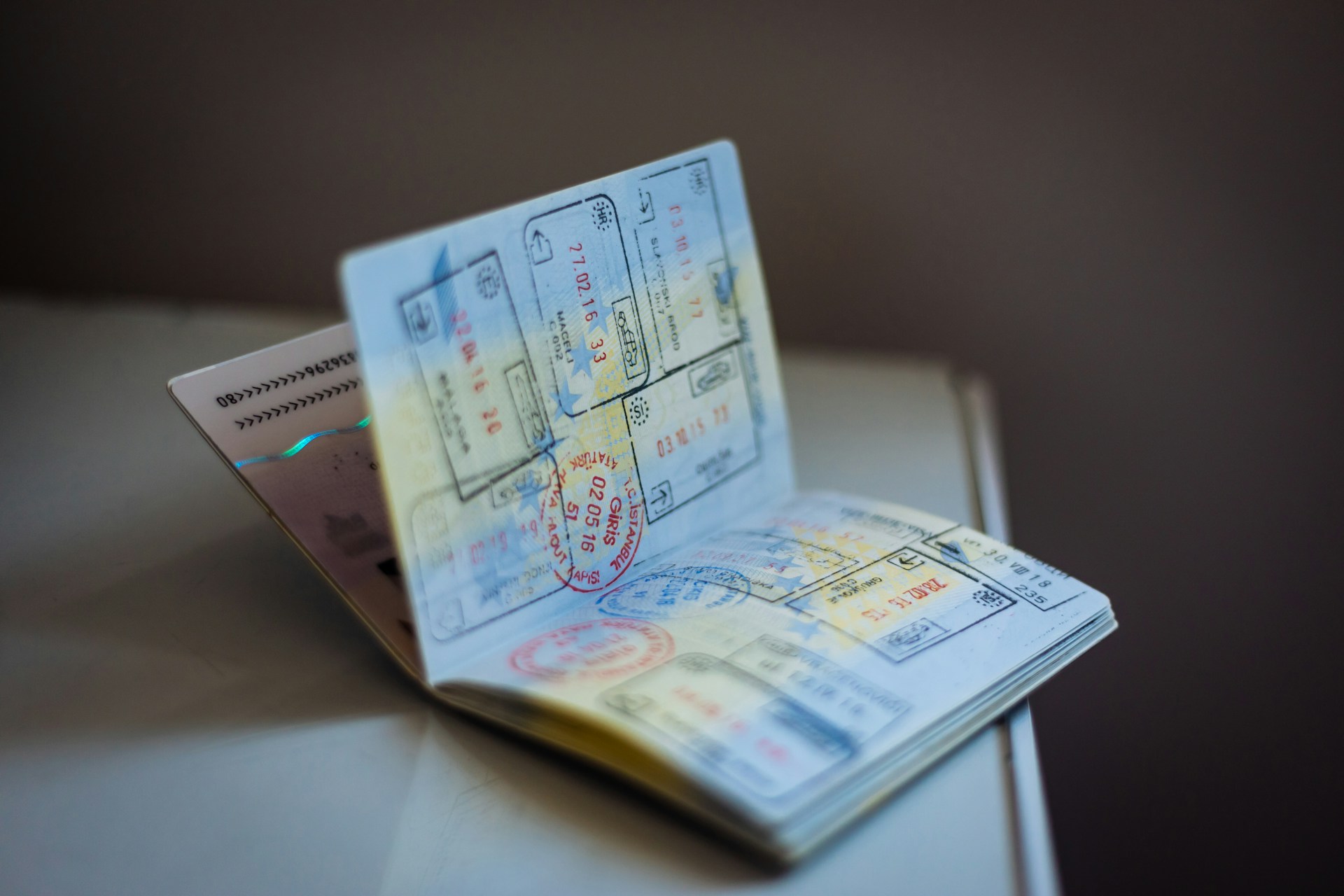
- Evidence of the in-person meeting. Passport stamps, travel itineraries, photos, or other documentation showing the couple met within the past two years. If a waiver is being requested, evidence supporting the waiver grounds replaces this requirement.
Additional materials for K-3 visa filings
Form I-129F can also be used in a less common scenario: when a U.S. citizen and a foreign national are already married and the citizen files the form to request a K-3 nonimmigrant visa for the spouse while a Form I-130 immigrant petition is being processed. In this case, the package includes a marriage certificate and a Form I-797C confirming that Form I-130 has been filed — unless both forms are being submitted concurrently.
It is worth noting that the Department of State rarely issues K-3 visas today, given that processing timelines for Form I-129F and Form I-130 are often similar. Couples considering this route may benefit from reviewing current conditions with an attorney before pursuing it.
Processing time and what to expect after filing
As of January 2026, USCIS reports that Form I-129F processing times are 10 months or less in most cases. However, timelines vary based on USCIS workload, which office reviews the petition, and case-specific factors. There is no guaranteed timeline, and incomplete submissions or inconsistent information can extend the process further through RFEs.
Once USCIS approves the petition, the petitioner receives a Notice of Action (NOA2), and the case is forwarded to the National Visa Center and then to the relevant U.S. embassy or consulate. The fiancé(e) then completes a medical exam, attends a visa interview, and undergoes background checks. If the K-1 visa is approved, the fiancé(e) may travel to the United States and marry the petitioner within 90 days of arrival. After the marriage, the spouse may apply to adjust their status and obtain a two-year conditional Green Card.
Getting it right the first time
The I-129F filing package is not a place for guesswork. Weak relationship evidence, missing signatures, incorrect fees, or conflicting information across documents are all cited as common reasons petitions encounter delays. Because the form must be mailed — and each error can add months to the timeline — careful preparation before submission is time well spent.
Working with an experienced immigration attorney is one way petitioners frequently approach this stage. An attorney can review the full I-129F package before it is sent, identify gaps in documentation, and help ensure the evidence of the relationship is presented as clearly and completely as possible.


