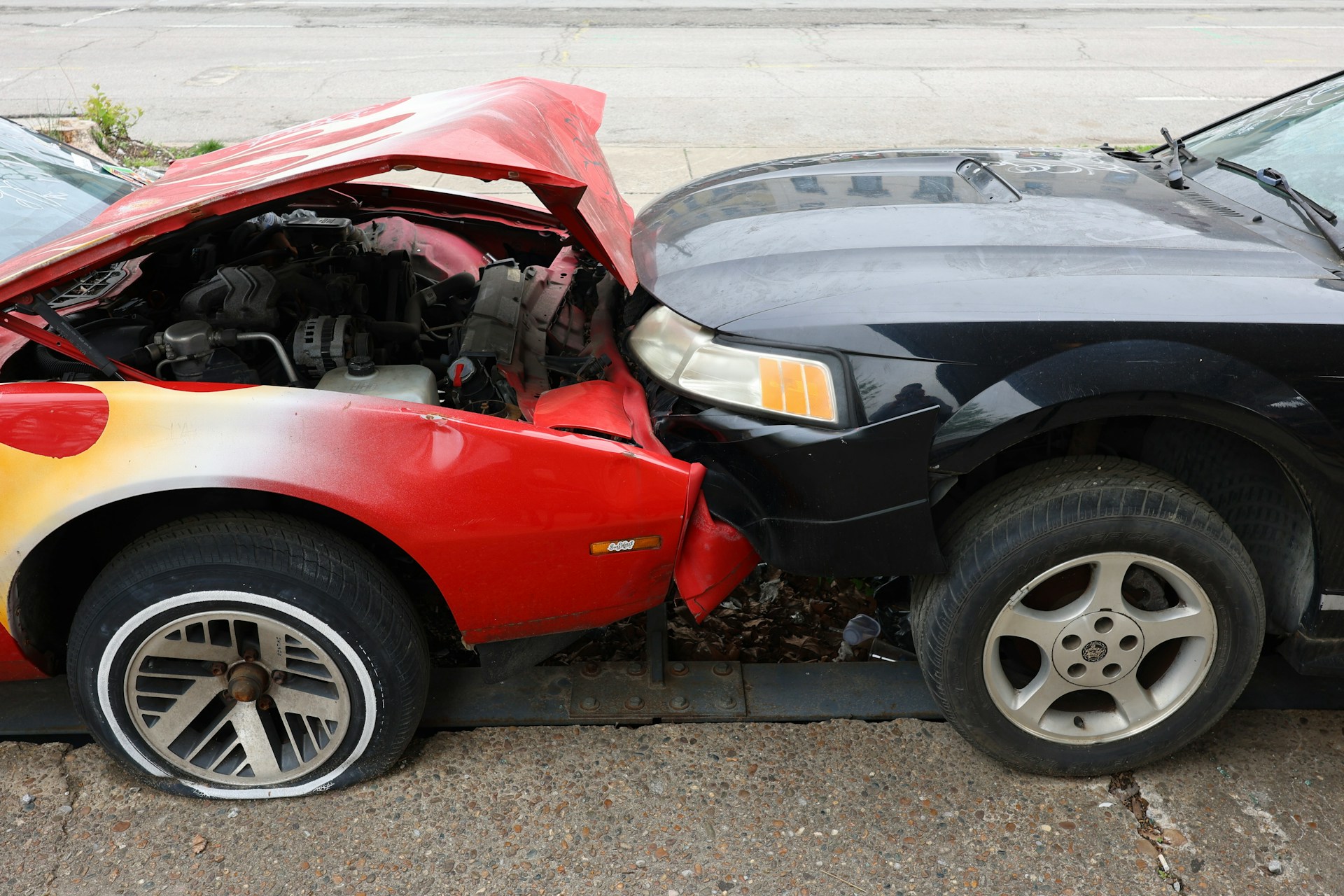
Right after a crash, your brain is scrambled. Adrenaline is pumping, phones are buzzing, and someone’s asking what happened before you’ve even found your sunglasses. Whatever you say next doesn’t just float away. It gets typed, timestamped, and dropped into a file.
That file becomes the insurance company’s version of reality. Adjusters who never saw the crash will read it, compare it to other evidence, and use it to decide who’s responsible and how much the claim might be worth. Your story becomes their starting point.
That’s why filing an insurance claim after an accident is more than a formality. The words, photos, and documents you hand over can shape the entire process, for better or worse, long after the tow truck drives away. Clarity is your best friend here.
Table of Contents
What Happens After an Accident Is Reported
The moment a claim is reported, the machine starts humming. You’ll usually get a claim number, which becomes the ID for everything that follows. Keep it handy, because every call, email, and document will reference it. Lose it and you’ll spend a lot of time on hold.
Next, an adjuster gets assigned. That person’s job is to investigate, evaluate damage, and recommend how the claim should be handled. Expect early requests for a description of the crash, photos, the police report number, and contact details for anyone involved.
Behind the scenes, the insurer reviews coverage. Was the policy active? Does it cover this driver, this vehicle, and this type of loss? Coverage questions can shape the claim before anyone even debates fault, so the policy language matters more than most people realize.
How Insurance Companies Reconstruct the Collision
Adjusters piece crashes together like detectives on a deadline. Statements from each driver are a big part of that puzzle. They compare what everyone said, look for agreement, and zero in on the places where the stories don’t line up. Those gaps get attention fast.
Physical evidence fills in the blanks. Photos of the scene, vehicle damage patterns, skid marks, and debris can suggest speed, angles, and points of impact. A crumpled rear bumper tells a very different story than damage along a passenger door.
Police reports and witnesses add outside perspectives. An officer’s notes, diagrams, and any citations can carry weight, though they aren’t always the final word. Independent witnesses, dash cams, and nearby surveillance video can confirm or challenge each driver’s version of events.
Why Small Details Can Create Big Disagreements
Tiny inconsistencies can snowball. Saying you were going about 30 in one call and maybe 40 in another can raise questions. Adjusters notice those shifts, and they may use them to question credibility even when the difference came from simple stress or guessing.
Missing documentation causes trouble too. No photos, no witness names, or gaps in medical treatment can leave room for doubt. When the paper trail goes quiet, insurers may fill the silence with their own interpretation, and it rarely favors the person filing.
Injuries are a frequent battleground. An insurer may argue that pain came from something else, or that treatment went too far. And the same photo or report can be read in completely different ways depending on who’s holding it and what they’re trying to prove.
What Drivers Should Understand Before Accepting a Settlement
Start with the policy itself. Coverage terms, deductibles, and limits determine what’s actually available. Knowing whether rental cars, medical payments, or diminished value are covered can change how an offer looks once you see what it does and doesn’t include.
Check the numbers carefully. Repair estimates can miss hidden damage that shows up once a shop takes things apart. Medical expenses may keep growing if treatment continues. Accepting money before the full picture is clear can leave real costs uncovered. Patience can pay off.
Read the release like it matters, because it does. Many settlements require signing a document that ends future claims related to the accident. Once it’s signed, reopening the case is usually extremely difficult. Ask questions before signing, not after the check clears.
Conclusion
Your accident story becomes an insurance file faster than you might expect. From the first phone call, every statement, photo, and document helps shape how the insurer sees what happened and what the claim may be worth. First impressions stick.
Accuracy beats speed. Sticking to facts, avoiding guesses, keeping organized records, and following through on medical care all help build a clear, consistent record. Consistency is credibility, and credibility carries real weight when disputes come up later. Keep everything in one folder.
Realistic expectations help too. Insurance claims can take time, involve disagreements, and require patience. For claims involving injuries or disputed fault, a qualified attorney can review the situation and explain options before anything gets signed. A clear record is the best head start available.


