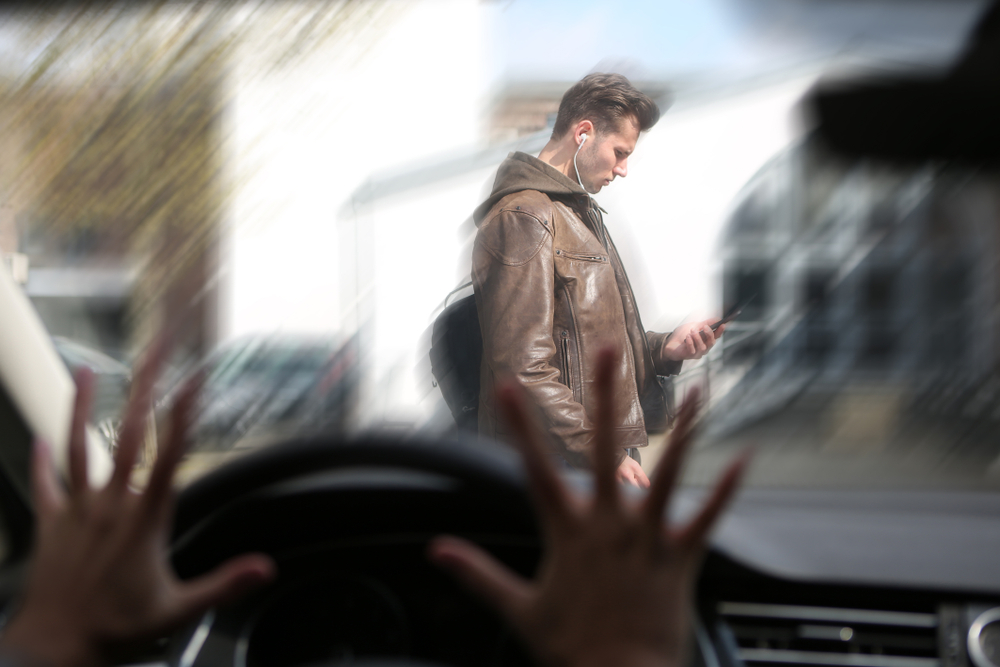
Traffic laws exist for one simple reason. They protect people who share the road. Drivers sit inside vehicles built with steel, airbags, and safety systems, but pedestrians walk the same streets with no physical protection at all.
Because of this difference, accidents involving pedestrians often lead to serious injuries and complicated legal questions. Medical care, insurance claims, and investigations usually begin soon after the incident. Each step becomes important while determining responsibility and financial recovery.
Many people also turn to a pedestrian accident lawyer during this process to better understand their rights and legal options after such an incident.
Table of Contents
Immediate Legal Steps After the Accident
Legal procedures often begin right at the accident scene. Police officers are usually called to the location to assess the situation and prepare an official accident report. This report records important details about the crash, including the location, time, weather conditions, and statements from the people involved. The document later becomes a key piece of evidence during insurance claims and legal investigations.
Medical attention also plays a major role during the early stage. Injured pedestrians are often treated at the scene or taken to a hospital for further examination. Doctors record the injuries, provide treatment, and document medical findings that may later support a legal claim. These medical records help show how the accident affected the victim and how much treatment may be required.
Information gathering is another step that often happens quickly after a pedestrian accident. Contact details from the driver, witnesses, and responding officers are collected so investigators can review the case later. Photographs of the accident scene, vehicle damage, and surrounding traffic signs may also provide useful details that help explain how the collision happened.
Determining Who Is Liable
Legal responsibility is one of the most important issues after a pedestrian accident. Liability refers to the person or party responsible for causing the crash. Investigators study the facts carefully before deciding who may be at fault.
Many pedestrian accidents occur because a driver fails to follow traffic rules. Drivers sometimes ignore crosswalk signals, speed through intersections, or become distracted while using a mobile phone. These actions can easily lead to a situation where a pedestrian is struck by a vehicle.
However, determining liability is not always simple. Some cases involve several vehicles or unclear circumstances. Investigators may review traffic camera footage, examine vehicle damage, and interview witnesses to build a clear picture of the event.
In certain situations, both the driver and the pedestrian may share a level of responsibility. Traffic laws allow investigators to examine every detail before deciding how much fault each party may carry. This careful review helps ensure that legal decisions are based on evidence rather than assumptions.
Insurance Claims After a Pedestrian Accident
Insurance companies become involved soon after the accident report is filed. Their role is to review the details of the crash and determine whether compensation may be owed to the injured pedestrian.
Claims usually begin with the driver’s liability insurance policy. This coverage may help pay for medical bills, lost income, and other damages caused by the accident. Insurance adjusters often investigate the claim by reviewing police reports, witness statements, and medical records.
Disagreements can sometimes arise during this stage. Insurance companies may question the severity of the injuries or the details of how the accident occurred. These discussions can slow down the claims process while additional evidence is gathered.
Some pedestrians may also have personal insurance coverage that could apply to the situation. Policies such as uninsured or underinsured motorist coverage may help if the driver does not have enough insurance to cover the damages.
Types of Compensation Pedestrians May Seek
A pedestrian accident can create several types of financial losses. The law allows injured individuals to seek compensation that reflects the full impact of the accident on their lives.
Compensation claims may include several categories of damages, including:
- Medical treatment and hospital expenses
- Rehabilitation and physical therapy costs
- Lost wages due to time away from work
- Long-term medical care if injuries are severe
These claims aim to recover the financial losses caused by the accident. Insurance companies review these expenses carefully before determining how much compensation may be available.
In serious cases where injuries affect a person’s ability to work in the future, the claim may also consider long-term financial effects. This evaluation often involves medical professionals and financial experts who study the lasting impact of the injuries.
The Importance of Evidence in Legal Claims
Evidence forms the foundation of every pedestrian accident claim. Without clear proof, determining responsibility becomes much harder.
Several types of evidence may help explain how the accident occurred. Police reports often provide an early overview of the situation and include observations from the responding officers. Witness statements can also add valuable information because bystanders may have seen events from a different angle.
Medical records play another important role because they show the exact nature of the injuries and the treatment required. Photographs or surveillance footage from nearby cameras may also reveal how the accident unfolded.
Investigators sometimes use these pieces of evidence together to reconstruct the accident. Their goal is to understand the sequence of events and identify the actions that led to the collision. Strong documentation can often make a significant difference during insurance negotiations or court proceedings.
When Legal Action May Become Necessary
Many pedestrian accident claims are resolved through negotiations with insurance companies. In these situations, both sides review the evidence and attempt to reach an agreement about compensation.
However, negotiations do not always lead to a settlement. Disputes about liability or compensation may cause the claim to stall. If that happens, legal action may become necessary.
Filing a lawsuit allows the case to be reviewed in court, where a judge or jury can examine the evidence and determine responsibility. Legal professionals assist with preparing documents, presenting evidence, and representing the injured person during the proceedings.
This stage may take time because courts follow structured procedures to ensure fairness. Even so, legal action can provide a path toward resolution when other efforts fail.
Final Thoughts
Pedestrian accidents often trigger a chain of legal steps that begin with accident reports and medical treatment and continue through insurance investigations and evidence review. Determining responsibility requires careful examination of traffic laws, witness statements, and physical evidence collected after the crash.
The process may involve insurance negotiations, compensation discussions, and, in some situations, formal legal action. These steps exist to ensure that accident victims have a fair opportunity to recover their losses. Many individuals seek guidance from a pedestrian accident lawyer while navigating these procedures so they can better understand their rights and the legal path that follows such an accident.