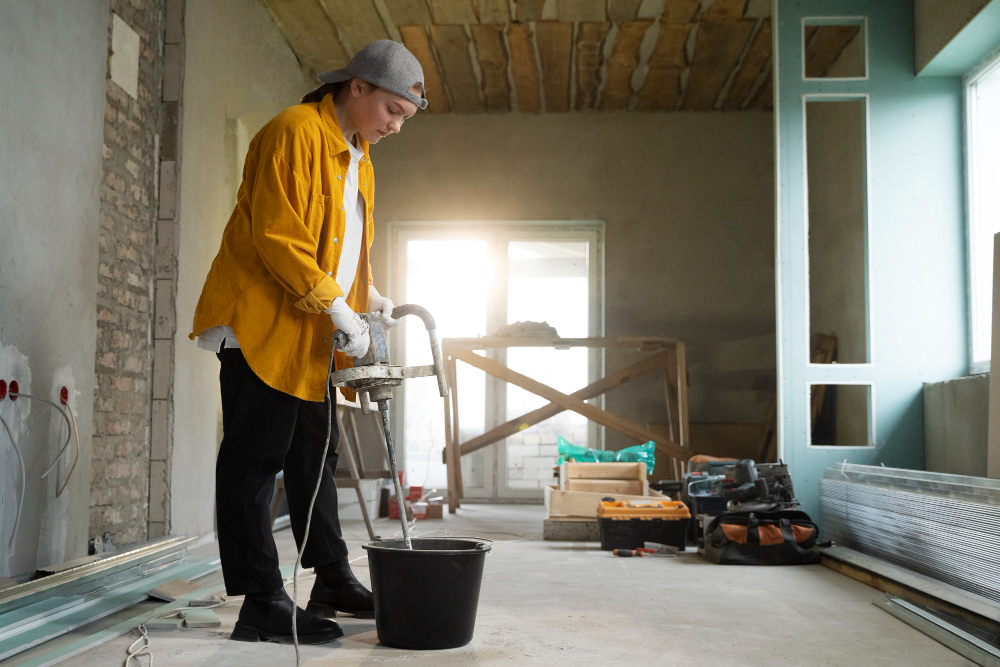
Abandoned homes often hide a wealth of potential beneath layers of neglect and decay. These neglected structures can be transformed into beautiful living spaces with the right vision and effort. However, taking on such a project requires a careful balance of respecting the original architecture and updating it to meet modern standards. Keep reading to discover how you can breathe new life into these forgotten spaces.
Table of Contents
Sustainable Renovation: Repurposing Materials for Eco-Friendly Upgrades
An eco-conscious approach is a hallmark of modern renovation projects. Abandoned homes often contain materials that can be repurposed, reducing the environmental impact of the renovation. Old wood can be reused for flooring or exposed beams, and bricks from internal walls can become part of a new patio or walkway.
Renovators can turn to local resources, such as Grand Rapids Metal Recycling, to process metals stripped from the property. These metals can then find new life in various applications instead of ending up in a landfill. Recycling not only supports the environment but can also be a cost-effective solution for acquiring materials.
Introducing energy-efficient solutions is another facet of sustainable renovation. Consider installing solar panels, high-efficiency HVAC systems, or double-glazed windows. These investments contribute to the longevity of the home and can significantly reduce future utility bills.
Design Strategies for Blending Old Charm With Modern Amenities
Marrying the old with the new is an art form in the context of home renovation. Original features like decorative crown molding, stained glass windows, and ornate fireplaces should be showcased and integrated into the new design. These elements often become the focal point of a room and contribute to the property’s unique narrative.
Modern amenities, on the other hand, are about providing comfort and efficiency. State-of-the-art kitchens, luxurious bathrooms, and home automation systems are attractive to current buyers. Ensuring that such features are installed with subtlety is key to maintaining the home’s historic allure. For instance, professional shower door installation can enhance a bathroom while honoring the home’s vintage aesthetic.
Lighting plays a crucial role in this delicate balance. It can be used strategically to highlight architectural details while offering the functionality that contemporary living demands. Smart lighting systems can offer energy efficiency and the convenience of adjusting settings to suit different times of the day or activities.
The choice of materials and colors should also be considered thoughtfully. Utilize finishes that complement the era of the home while delivering durability and ease of maintenance. This mindful selection process ensures a cohesive look that bridges centuries of design.
Essential Assessments Before Starting Your Renovation Journey
Before the first hammer swings, certain assessments are indispensable. Engage professional inspectors to check for asbestos, lead paint, mold, and other hazardous materials. These issues are common in older constructions and must be handled safely and lawfully. Skipping this step could result in health risks and legal complications.
Further assessments include the property’s plumbing, electrical, and heating systems. Such assessments not only impact the project’s budget but also its timeline. Upgrading outdated systems is crucial for the safety and functionality of the home. Bringing these elements up to code will require detailed planning and perhaps the help of skilled professionals.
It’s equally important to understand the zoning laws and building codes in your area. Abandoned homes often predate current regulations, meaning renovations may necessitate special permits. Furthermore, if the home is designated as historic, you may be subject to additional restrictions intended to preserve its cultural significance.
Maximizing Return on Investment: Tips for Renovating With Resale in Mind
While renovating an abandoned home for personal use is gratifying, it’s wise to also consider its resale value. Focus on updates that are universally appealing and offer a good return on investment. Kitchen and bathroom remodels, for example, often yield the highest returns. Opt for neutral palettes and finishes that allow potential buyers to envision their own touches.
Functionality should not be overlooked. Today’s homeowners appreciate practicality, so invest in ample storage, low-maintenance landscapes, and energy-efficient appliances. These features can be deciding factors for buyers who are comparing properties.
Overall, the path to renovating an abandoned home is fraught with challenges but equally lined with opportunities. When approached with careful planning, a sustainable mindset, and a respect for the home’s past, these projects can result in not just a revived building but a renewed piece of the community fabric. Altogether, these transformations support the narrative of preservation through progress, saving what’s been left behind and giving it a new lease on life.


