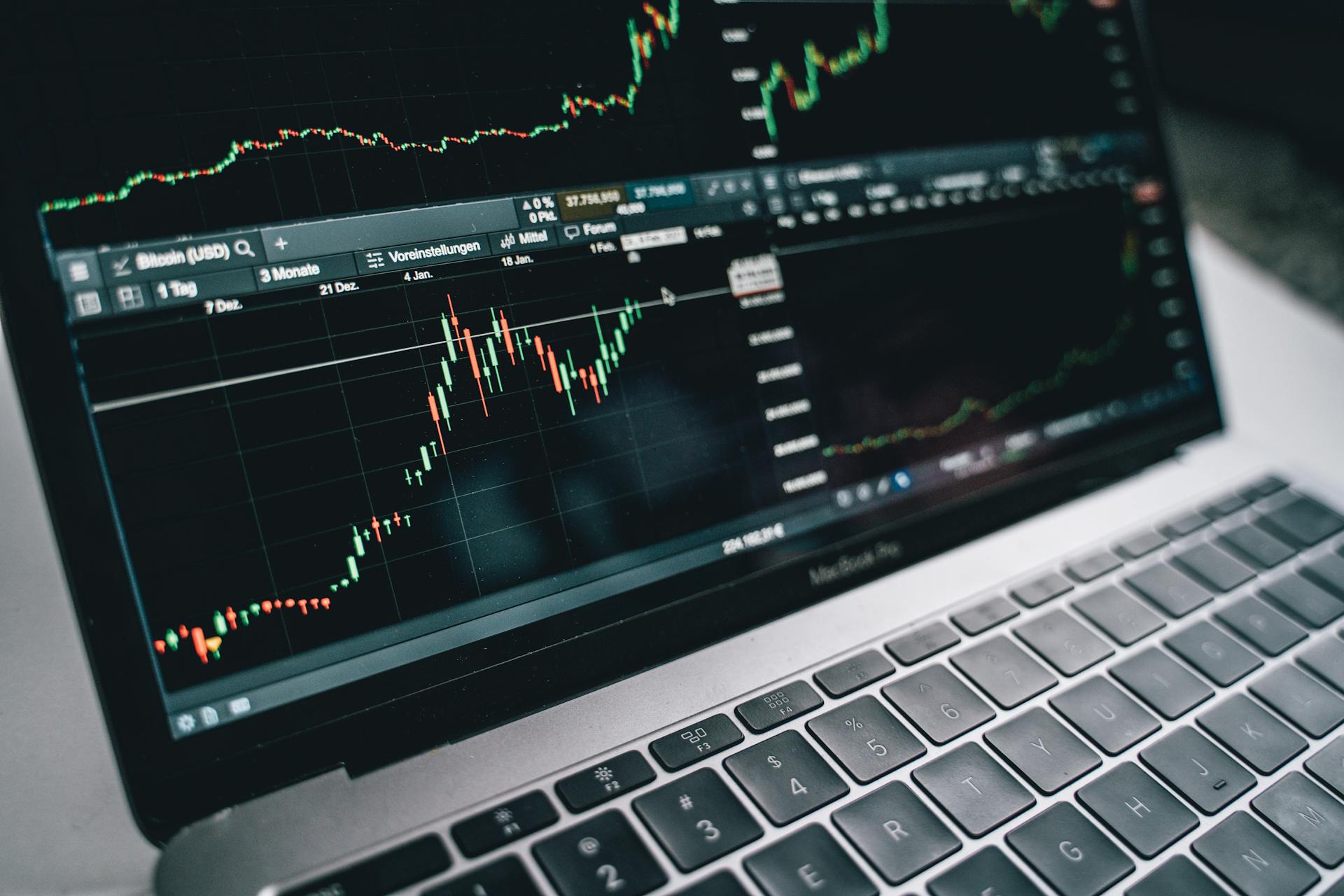
Hey there, fellow Aussies! Have you ever found yourself wondering whether the price of gold or oil affects your investments? This is something that many of us might ponder as commodities weigh heavily on the headlines. Be it the rise in oil prices or the upside-down value of gold, these changes can trickle down to your investment portfolio.
In this post, we’ll discuss each of these commodities and explore how their prices affect the investments. We will also weigh in on how to efficiently use this knowledge in your decision-making process concerning your actual investment portfolio, with an added focus on how these insights particularly relate to Australians.
Table of Contents
What Are Commodities?
In essence, commodities are the raw materials or agricultural products that make up the basic economic framework of the world. Gold, oil, wheat, or even cattle—they are all commodities that may be bought and sold.
Prices of the commodities fluctuate due to adverse changes in supply and demand, geopolitical events, and economic indicators. For example, a drought in a large wheat-producing region could cause wheat prices to skyrocket, while political unrest in an oil-producing country could do the same for oil prices. Comprehension of such dynamics is crucial when realising how commodities may influence your investments.
How Do Commodity Prices Affect Your Investments?
When it comes to commodities, their price movements exert a powerful force on your investment portfolio, affecting far more things than the commodity markets themselves.
Influence on the Stock Market
Commodity prices influence stock markets upon rising or falling. Generally, producers use commodities as raw materials to create end products. For example, the rise in oil prices increases transportation costs for businesses, which may reduce profit levels and thus stock prices. Conversely, companies that produce commodities, such as mining companies, enjoy stock price increases when commodity prices increase.
Influence on Inflation and Interest Rates
But still, the effects do not end here. Commodity prices also affect inflation and interest rates. Price increases in essential commodities like oil or food cause a spike in inflation. Central banks such as the Reserve Bank of Australia may subsequently change interest rates to curb inflation; such changes can end up affecting the value of your investments, especially fixed incomes such as bonds. So commodity prices are possibly stepping in behind the curtains, no matter if you hold stocks, bonds, or any other assets.
Commodities for Diversification Within Your Portfolio
One of the great diversification benefits of commodities is the diversification they can provide in an investor’s portfolio. The correlations of commodities with such asset classes as stocks and bonds are usually quite low. So, when stocks are down, commodities might maintain value, if not increase in price. For example, whenever there is uncertainty in the economy, gold buys become popular as a safe-haven investment; this helps safeguard your portfolio against wild swings in market prices. Through the addition of commodities to your investment portfolio, you lay better odds for bringing down total portfolio risk, hence providing a cushion against inflation.
Your Investment Strategy and the Role of Gold in It
Governments have long viewed gold as a store of value and a hedge against inflation. Inflation diminishes the purchasing power of money, although gold generally preserves its value during periods of inflation. Conversely, during periods of economic uncertainty, gold prices generally rise as investors seek shelter for their money. Gold has a historical reputation as a refuge asset. For example, during the 2008 Global Financial Crisis, gold prices saw a significant rise as investors moved away from equities. Similarly, during the COVID-19 pandemic, gold prices soared to all-time highs on account of panicking uncertainty engulfing the altered economy.
The live gold price, for Australian investors, would provide much insight into market sentiment and possible investment opportunities. By following these trends, you can find out when might be a good moment to buy or sell gold in the larger framework of your investment choices.
Other Commodities Relevant to Australians
While gold is the most popular in the eyes of the general public, it is by no means the sole commodity affecting a portfolio. Australia is a major exporter of commodities like iron ore, coal, and natural gas. A fluctuation in the prices of those commodities will change the condition of the economy of Australia and, in effect, your investment. For example, when iron ore prices surge, mining companies will profit, contributing to economic growth and thereby favouring the stock market; meanwhile, if coal prices fall, it will have an adverse effect. By watching these commodities, you can better watch for market moves and adjust your portfolio accordingly.
Ways of Investing in Commodities
If you think commodities should be added to your portfolio, your choice comes down to several possibilities.
- Buying gold bullion or silver coins as one way of investing in commodities. But carrying them around would be cumbersome, and safe storage would be required.
- Buying commodity futures—selling and buying of commodities at agreed prices on certain dates in the future. Incessant high return is the promise delivered by these contracts; on the other hand, they carry high risk and need the full knowledge of the market beforehand.
- Most smaller investors find commodity ETFs or mutual funds that track commodity indices the easiest route to push into commodities. Those funds do provide a wide spread of commodities and hence risk diversification.
However, whatever you choose to do, make sure that your chosen path fits your investment objectives and risk tolerance.
The Risks of Investing in Commodities
Though commodities have their advantages, they certainly do not come without dangers.
- Historically, commodity prices tended to exhibit upward volatility—and with so many unpredictable factors behind that, say, for instance, weather patterns or geopolitical tensions, it would certainly be difficult to anticipate an accurate price. For example, they might suddenly fall or shoot up so fast on account of correspondence that just disrupted oil supply.
- Furthermore, the best investing in commodities usually requires knowing the charity, or you might find yourself ultimately making a wrong decision costing thousands.
Thus, it would be best to consider diversification of investments across multiple commodities. Instead of just one, multiple commodities such as gold, oil, or agricultural products should be considered at once. This cuts back on the price fluctuations for a single commodity. Keep reviewing your portfolio frequently and stay abreast of new trends that allow you to make the right adjustments at the right time.
Getting Professional Advice
If one feels uncertain about integrating commodities into an investment strategy, maybe it is time for counsel. Adelaide boasts many capable investment planners who can guide you through the intricacies of commodity investing. They can weigh your tolerance for risk, your investing objectives, and your horizon for investing in order to recommend the right commodity allocation for your portfolio. Also, an investment planner can advise you on how to invest—whether it is through outright commodity purchases, commodity funds, or other vehicles.
Conclusion
Commodity prices can greatly impact your investment portfolio and have effects on stock prices and inflation levels, among others. By understanding how commodity prices affect the market, one can make wiser investment decisions. Watching commodity prices is a must whether you want to diversify your portfolio, hedge inflation, or just stay ahead of market trends.
It’s okay to feel overwhelmed in this whole complicated world of commodities and think about some investment, Adelaide financial planners are well trained to assist you through all that and to make investment portfolios that will withstand the test of time. If you liked this blog post, please do share it with your friends or plop your comments below on whichever topic has piqued your interest about commodities investing. Just let’s go!


