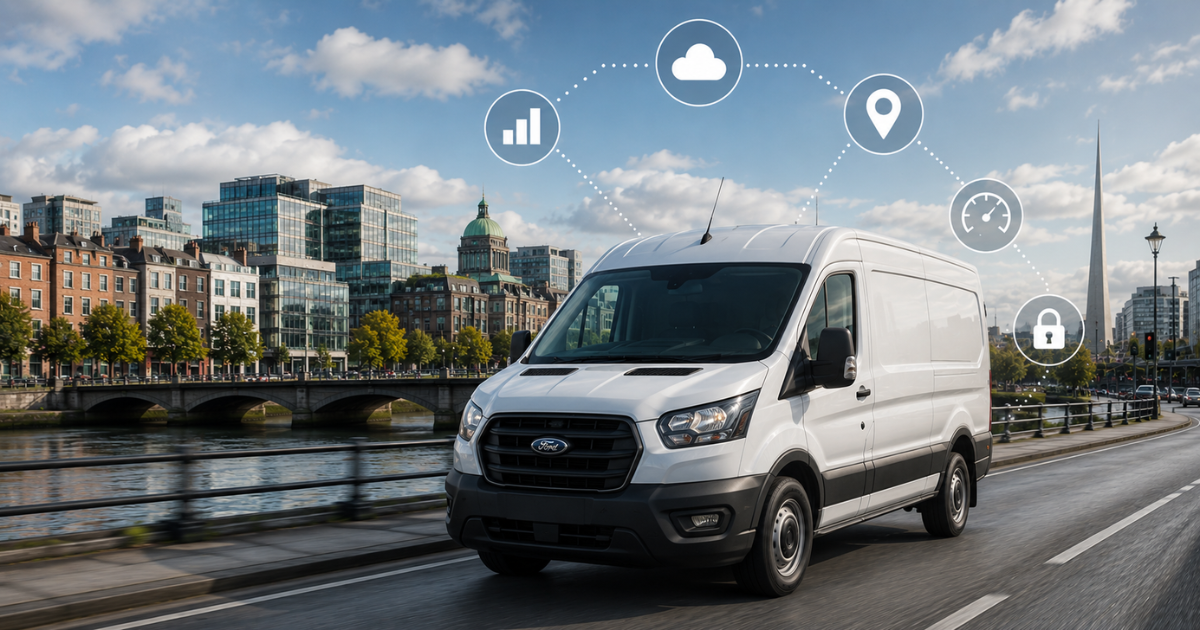
Commercial driving has evolved significantly over the past decade. Advances in digital technology have transformed how businesses manage vehicles, drivers, and day-to-day operations. One of the biggest developments has been the rise of telematics technology, which is helping companies improve efficiency, reduce costs, and enhance safety across their fleets.
Whether operating a single van or managing hundreds of commercial vehicles, businesses are increasingly turning to telematics systems to gain valuable insights into how their vehicles are being used. As commercial vehicles continue to play a vital role in logistics, deliveries, construction, and service industries across Europe, technologies that improve fleet performance have become more important than ever.
For businesses that rely on vans every day, having the right protection in place is just as important as improving vehicle efficiency. Alongside adopting new fleet technologies, companies should ensure they have appropriate Van Insurance to protect their vehicles, drivers, and operations.
Vans remain essential tools for small and medium-sized businesses across Europe and worldwide, supporting industries ranging from trades and construction to deliveries and maintenance services. With millions of commercial vehicles operating on roads globally, improving fleet safety and efficiency has become a major priority.
According to the World Health Organization’s latest road safety data, approximately 1.16 million people die every year as a result of road traffic crashes globally, highlighting the continued importance of improving driver safety and reducing risky behaviour on the roads.
Table of Contents
What Is Telematics Technology?
Telematics technology combines telecommunications and vehicle data systems to collect, transmit, and analyse information from vehicles in real time. Using GPS tracking, onboard diagnostics, sensors, and cloud-based software, telematics systems provide detailed information about vehicle location, speed, fuel consumption, driving behaviour, engine performance, and more.
Rather than relying on manual reporting, fleet managers can access live data through dashboards and mobile applications, allowing them to make informed decisions quickly.
Improving Driver Safety
One of the most significant benefits of telematics technology is its ability to improve driver safety.
Modern systems can monitor behaviours such as speeding, harsh braking, rapid acceleration, excessive idling, and aggressive cornering. Fleet managers can identify risky driving habits and provide targeted coaching to drivers where needed.
By encouraging safer driving practices, businesses can reduce accident rates, minimise vehicle damage, and improve overall road safety. Safer drivers also contribute to lower maintenance costs and less downtime, creating long-term financial benefits.
GPS fleet tracking systems are increasingly being used to identify risky behaviours and improve safety standards across commercial fleets.
Reducing Fuel Costs
Fuel remains one of the largest operating expenses for many businesses that rely on commercial vehicles.
Telematics technology helps companies understand where fuel is being wasted. Common issues such as excessive idling, inefficient routes, and aggressive driving can all increase fuel consumption. By analysing telematics data, businesses can take corrective action and improve fuel efficiency.
Many fleet operators discover that unnecessary engine idling is a major contributor to fuel waste. Real-world fleet users have reported that telematics data often reveals hidden inefficiencies that would otherwise go unnoticed.
In addition to reducing costs, lower fuel consumption helps businesses decrease their environmental impact and support sustainability goals.
Smarter Route Planning
Route optimisation is another area where telematics technology is changing commercial driving.
Real-time GPS tracking allows dispatchers and fleet managers to monitor vehicle locations and adjust routes when necessary. Traffic congestion, road closures, and unexpected delays can all be identified quickly, helping drivers reach destinations more efficiently.
For delivery companies, service providers, and tradespeople, improved route planning can mean completing more jobs each day while reducing fuel usage and vehicle wear.
Industry data highlights the continued importance of commercial vehicles in supporting business activity, with vans representing a significant part of the European transport landscape.
Studies have shown that GPS fleet tracking can significantly improve productivity through better route management and operational planning.
Predictive Vehicle Maintenance
Unexpected vehicle breakdowns can be costly and disruptive. Telematics technology helps businesses move from reactive maintenance to predictive maintenance.
By monitoring engine diagnostics, mileage, operating hours, and vehicle health indicators, telematics systems can alert fleet managers when servicing is required. This allows businesses to address issues before they become major problems.
Predictive maintenance helps reduce downtime, extend vehicle lifespan, and lower repair costs. Fleet operators can schedule maintenance more effectively while ensuring vehicles remain safe and reliable on the road.
Better Fleet Visibility and Accountability
For businesses managing multiple commercial vehicles, visibility is crucial.
Telematics technology provides real-time updates on vehicle locations, trip history, driver activity, and job completion status. This information helps businesses improve scheduling, customer service, and operational efficiency.
In some cases, telematics data can also help resolve disputes by providing accurate records of arrival times, journey routes, and vehicle activity. Fleet operators gain greater confidence in their operations while customers benefit from more accurate delivery and service information.
The Future of Commercial Driving
Telematics technology is no longer a luxury reserved for large transport companies. Today, businesses of all sizes can access affordable telematics solutions that deliver measurable improvements in safety, efficiency, and profitability.
As commercial driving becomes increasingly data-driven, telematics systems will continue to play a central role in fleet management. From reducing fuel costs and improving driver performance to enhancing vehicle maintenance and customer service, the benefits are clear.
For businesses that rely on vans and commercial vehicles every day, embracing telematics technology could be one of the smartest investments they make in the years ahead.


