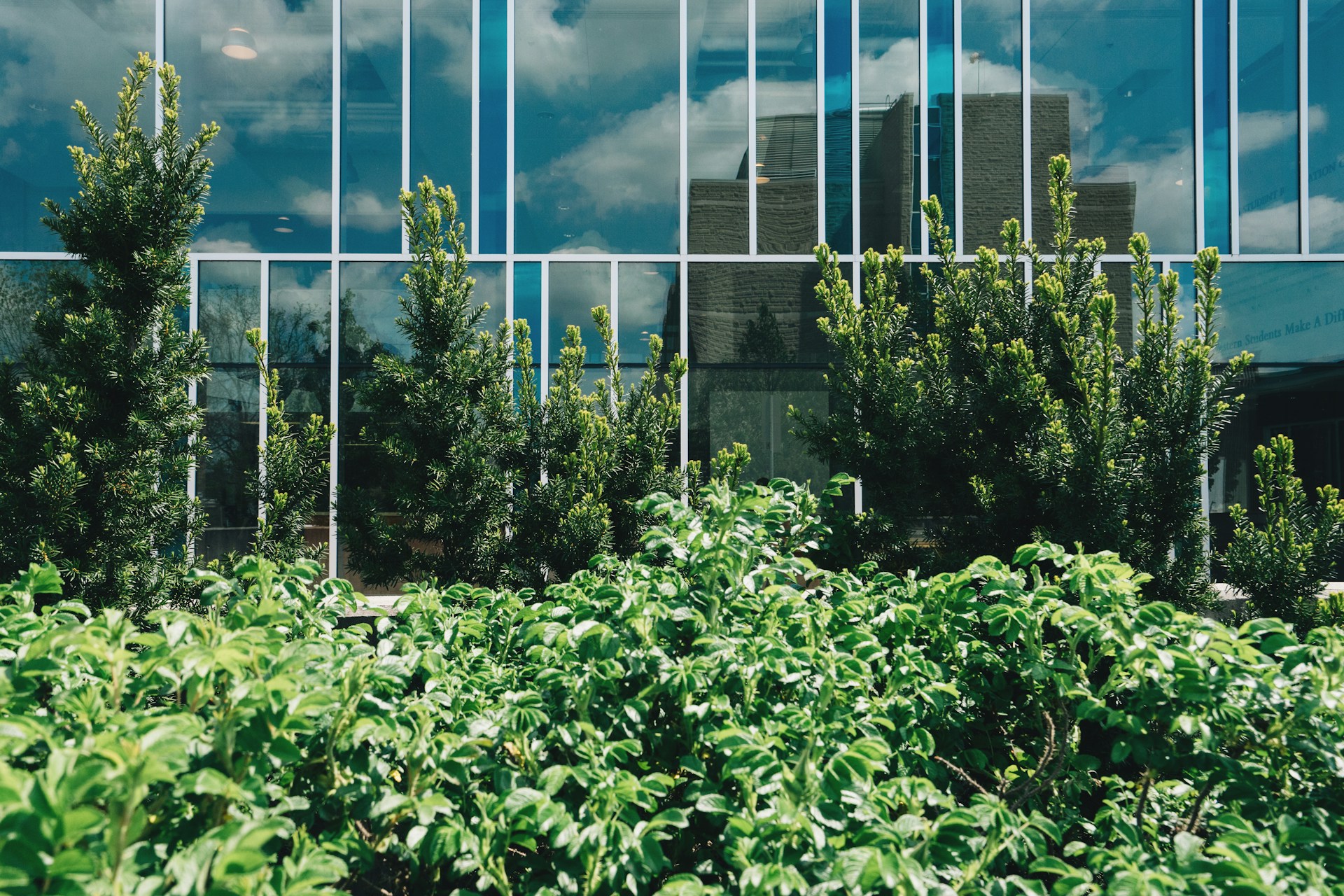
If your business includes a little bit (or a great deal of) green space, then you’ll want to devote some energy and resources to caring for it. The right plants can be an asset, whether they’re there to support your workers and their wellbeing, or to welcome guests and attract customers.
Often, it’s possible to care for your green space in a way that supports your ethos when it comes to sustainability. So, how can this be done?
Table of Contents
Prioritise Native and Climate-Appropriate Plants
Picking out local plant species has several advantages. To begin with, since they’re adapted to the local climate, it’s less likely that they’ll die. You’ll need to expend less water and fertiliser on keeping them alive, and they’ll tend to match better with pollinators and other wildlife.
Implement Water-Efficient Landscaping Solutions
If you’re using a lot of water, then you probably aren’t caring for your space in a sustainable way. You can often reduce your consumption by installing drip irrigation, and through rainwater recycling and sensible mulching. In many cases, you might also be able to recycle greywater from other areas of the business, in order to sustain your plants.
Choose Sustainable Materials for Outdoor Spaces
When you’re landscaping, you’ll also have access to a great deal of non-living materials. Aggregates, timber structures, and concrete slabs all have the advantage of being easy to care for. When you’re picking out your options, you’ll want to be sure that you’ve picked ones that will reduce your project’s carbon footprint, and that will cause minimal disruption to the surrounding ecosystems.
It’s also worth fixating on quality. When your structures are hard-wearing, and last a long time, you won’t have to worry about replacing them as often. For this reason, high-quality fence panels, made from sustainable materials, tend to be an ideal option.
Support Biodiversity Through Landscape Design
When your green space is insufficiently diverse, you might find that it’s more difficult to care for, and that it doesn’t integrate well with the surrounding environment. Pollinators, wildflowers, and other species should all be encouraged. This way, the space will be more easily cared for – and, in all likelihood, more engaging for employees, customers, and visitors.
Develop a Long-Term Maintenance Strategy
If you want your space to be truly sustainable, then you’ll need to think well beyond the initial installation. Set up a schedule for inspection and maintenance, and for basic gardening tasks like composting, pruning, and watering. Do this well, and you’ll have an asset that will make your commercial premises more attractive and cost-effective for years to come.
Conclusion
Creating a sustainable landscape needn’t always mean compromising on attractiveness, or your operational goals. If you’re a business with an explicit sustainable ethos, then you’ll want to ensure that your exterior space matches up with it.


