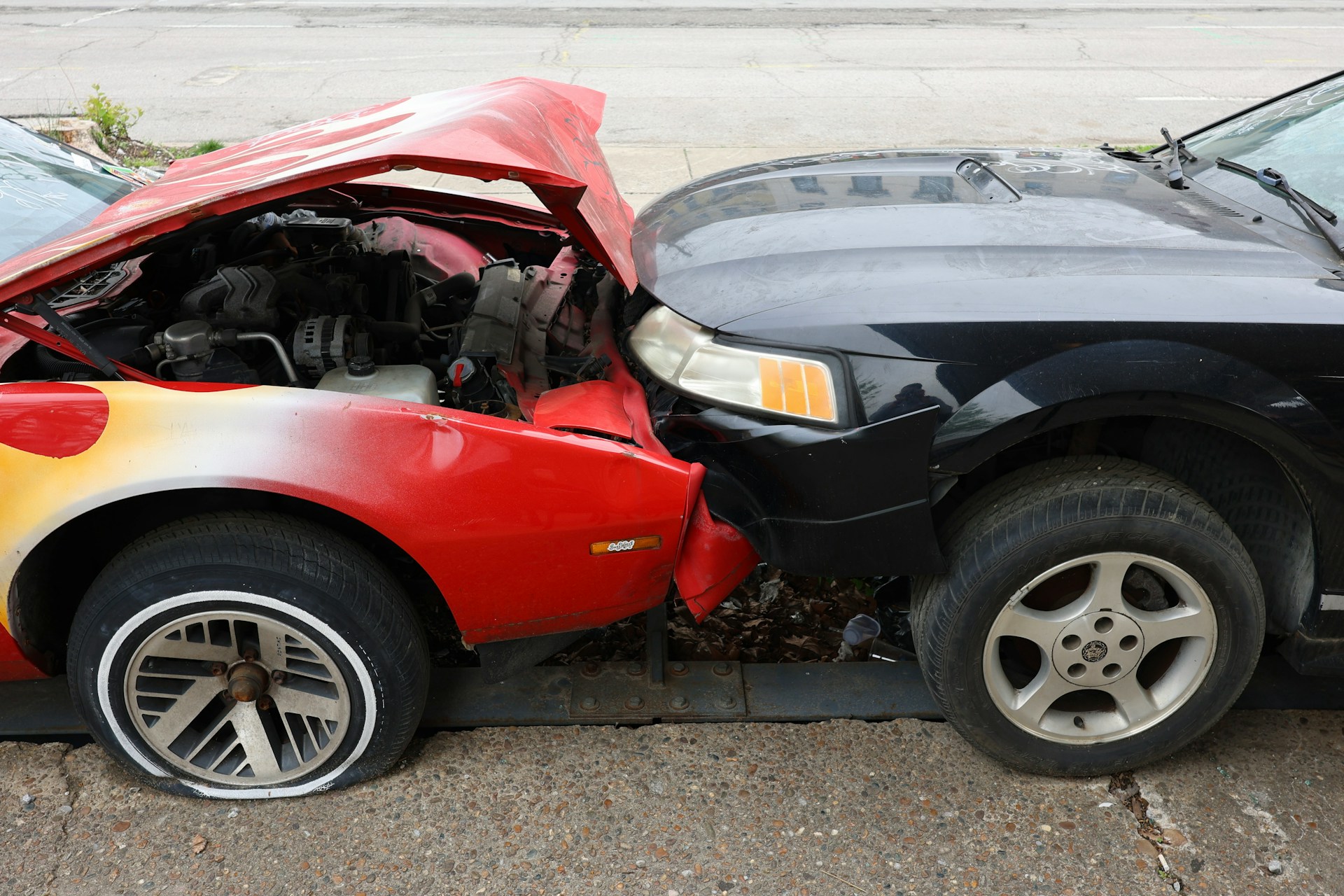
Road rage covers a wide range of conduct. At the mild end it is a horn and a gesture. At the severe end it is deliberate tailgating, brake-checking at speed, forcing a car off the roadway, boxing a vehicle in, or leaving the car to confront somebody. The legal picture changes considerably along that range.
The short answer is that a civil claim is often possible where the conduct caused injury or damage, though these cases behave differently from an ordinary collision claim. That difference is worth understanding early, and it is a common reason people contact Denver car accident attorneys after an aggressive-driving incident.
Table of Contents
Why intent changes the case
A typical crash claim rests on carelessness. Road rage frequently involves conduct that was chosen rather than careless, and that shift has consequences in several directions at the same time:
- Deliberate conduct may support claims framed around intentional acts, which can carry different elements and different remedies than a carelessness claim.
- Many auto policies address intentional conduct differently from accidental conduct, which can complicate the coverage question.
- Aggressive driving can also be pleaded as carelessness or recklessness, and how a claim is framed can affect whether coverage responds.
- A parallel criminal case may be underway, which can affect timing, discovery, and the other driver’s willingness to speak.
Insurance is frequently the sticking point
A person can have a strong account of what happened and still face a coverage fight. Where an insurer takes the position that the conduct falls outside the policy, recovery may depend on the other driver’s personal assets, on the injured person’s own uninsured or underinsured motorist coverage, or on another applicable policy. Whether any of that is available depends on the policy terms and on state law. Reading the actual policy is part of the analysis.
Documentation carries these cases
Road rage claims often come down to competing accounts, and the person holding the record tends to be in a stronger position. What helps:
- Dashcam footage, which is often the strongest evidence available in these disputes.
- A call to law enforcement while it is happening, or as soon as it is safe, and a copy of the report afterward.
- The other vehicle’s plate, make, model, and color, noted as soon as it is safe to do so.
- Contact information for witnesses, who are common in these incidents and easy to lose.
- Photographs of vehicle damage and of any visible injury.
- A written account made the same day, while the sequence is fresh.
Screenshots matter too if the other driver posts about the incident, since aggressive drivers sometimes describe their own conduct publicly.
Safety comes before the claim
Nothing about building a case is worth an escalation. Commonly given safety advice is to avoid eye contact, avoid returning gestures, decline to stop or pull over to confront anybody, and drive toward a populated area or a police station rather than home. Calling for help is reasonable. Keeping doors locked and windows up is reasonable. Recording is reasonable, where it can be done without taking attention off the road.
Do not minimize the injuries
Adrenaline runs high during these incidents, and people often tell responders they are fine. Symptoms from a sudden impact, a hard swerve, or a physical confrontation can appear later. A medical evaluation creates a record tied to the event, and a gap in treatment is something a defense may raise later.
Talking to counsel
These cases benefit from early advice because of the coverage questions, the possible criminal case running alongside, and the evidence that disappears quickly. Filing deadlines vary by claim type and can be short, and a claim framed around intentional conduct may follow a different deadline than a carelessness claim. An attorney should confirm which applies. Fee arrangements are generally discussed during an initial consultation.
Laws differ by state. A reader should confirm how their own state’s law applies to their situation.
CGH Injury Lawyers
2701 Lawrence St Ste 201, Denver, CO 80205
(720) 669-8062


