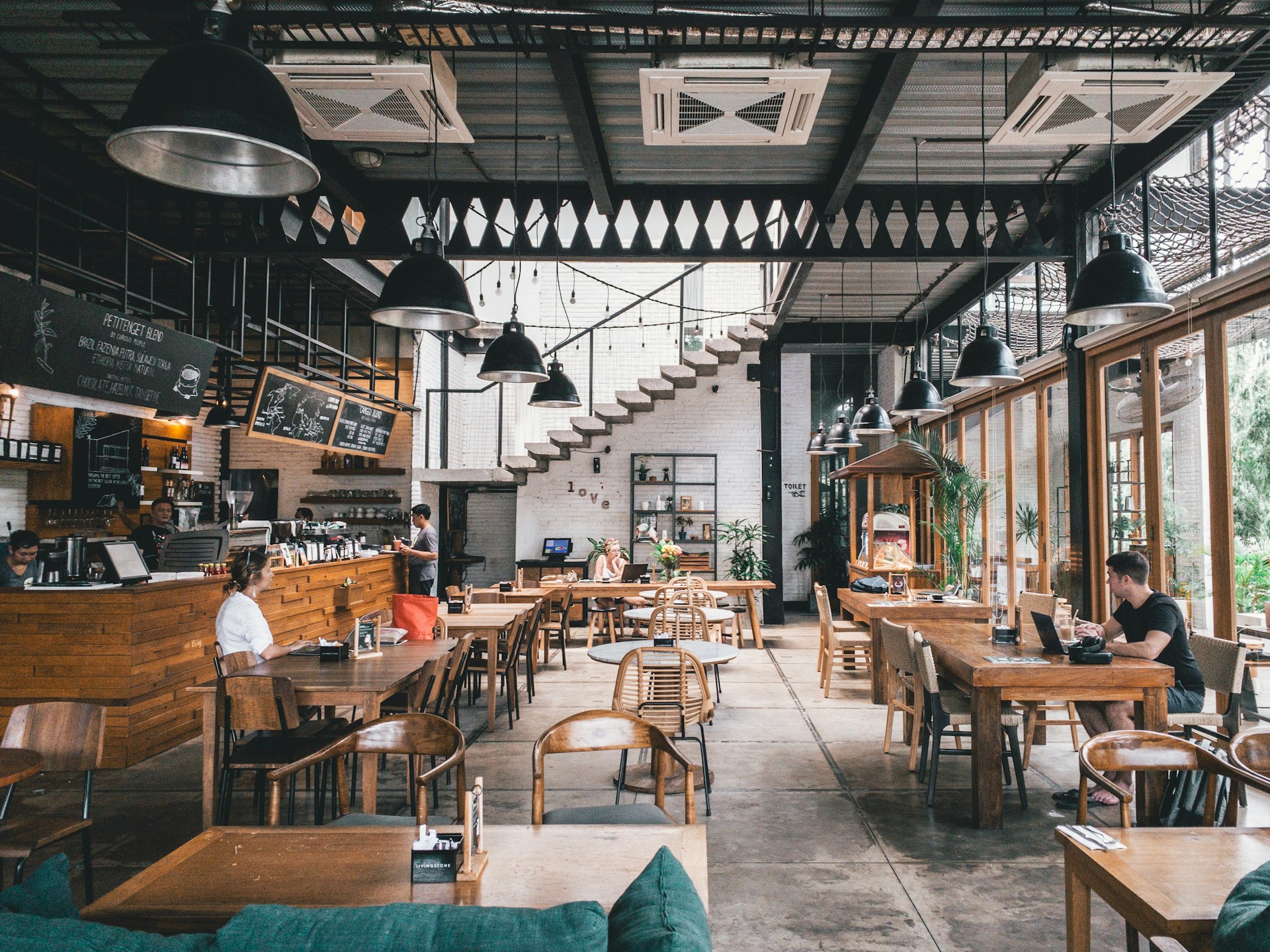
Restaurant growth rarely fails because the owner lacked ambition. More often, it fails because the business tried to scale decisions that were never built for scale. A single location can survive on instinct, quick vendor calls, one-off purchases, and last-minute fixes. A second, third, or fifth location exposes every weak habit hiding inside that approach.
Procurement is one of those habits.
At the single-location level, buying often feels simple. The owner needs tables, chairs, booths, bar stools, lighting, equipment, signage, smallwares, and maybe outdoor seating. They compare a few options, chase a fair price, ask about delivery, and move forward.
For growing operators, this is where restaurant furniture wholesale becomes more than a pricing advantage. It becomes a way to keep seating, finishes, lead times, replacement parts, and brand consistency easier to manage across every new location.
Multi-location owners cannot operate that way for long. They learn that procurement is not just purchasing. It is brand control, cost control, timeline protection, operational planning, and guest experience management in one system.
The best operators are not simply buying better products. They are buying with repeatability in mind.
Table of Contents
They Treat Procurement as a Growth System
Single-location operators often buy for the room in front of them. Multi-location operators buy for the brand they are building.
That shift changes everything. Instead of asking, “What do we need for this location?” they ask, “Can this choice work across different footprints, cities, service models, and traffic levels without weakening the concept?”
A chair is no longer just a chair. Can it be reordered later? Does it match future locations? Is the finish consistent? Can staff move it easily? Will it hold up under lunch rushes, weekend traffic, cleaning routines, and repeated resets?
The same logic applies to booths, table tops, table bases, patio seating, bar stools, host stands, and waiting-area furniture. Successful multi-location owners think about how every purchase behaves after opening excitement fades.
They Standardize the Pieces Guests Notice Most
Consistency is one of the quiet strengths of strong restaurant groups. Guests may not know the exact chair model or table finish, but they can feel when a brand has discipline.
Multi-location owners usually standardize the most visible and frequently used pieces first. These include dining chairs, booths, bar stools, table tops, table bases, outdoor seating, menu holders, lighting temperature, tabletop accessories, and service stations.
That does not mean every restaurant has to look identical. A smart operator can adjust color, layout, wall texture, local artwork, or patio styling while keeping the bones consistent. When the same booth height, chair comfort level, and table dimensions are used across locations, guests receive a more consistent experience.
Standardization also helps staff. Servers understand spacing faster. Managers can replace damaged pieces more easily. Designers have a clearer framework. Vendors know what the brand expects.
They Build Vendor Relationships Early
The weakest time to find a supplier is when the opening date is already close.
Successful multi-location owners build vendor relationships early. They are not just asking for price quotes. They are testing communication, lead times, product availability, warranty support, access to replacements, shipping reliability, and repeat-order capability.
Restaurant openings rarely move in a straight line. Permits run late. Construction schedules shift. Inspections create pressure. Contractors change timelines. A missing furniture order can delay training, soft openings, photography, and revenue.
Experienced operators want suppliers who can answer practical questions quickly. They want to know what is stocked, what is made to order, which finishes take longer, and which substitutions still protect the brand look.
Single-location operators often focus on the first purchase. Multi-location owners consider the second, third, and fourth purchases before the first is complete.
They Compare Total Cost, Not Just Unit Price
A cheap product is not always a low-cost product.
Single-location buyers may compare chairs, table tops, or bar stools by price alone. Multi-location buyers compare full ownership cost.
That includes durability, freight, replacement frequency, cleaning time, repair needs, storage, assembly, downtime, and reorder access. A chair that saves money upfront but needs constant touch-ups may cost more over two years than a sturdier option with a higher purchase price.
Experienced owners usually ask sharper questions:
- How often will this item be used each day?
- Can it survive years of public use?
- Is the finish practical for our cleaning routine?
- Can replacement parts or matching pieces be ordered later?
- Will this choice still make sense when we open another location?
That thinking protects cash flow. It also protects the guest experience by preventing guests from noticing wobbling tables, uncomfortable seats, uneven finishes, and rooms that age too quickly.
They Involve Operations Before the Purchase Is Final
Design is important, but you can’t steer restaurant procurement with design alone.
The finest multi-location owners are those who involve operations in the decision before they place orders. They want feedback from managers, servers, bartenders, hosts, cleaning staff, and sometimes kitchen leadership. They are the ones who know what to do when the room is full, the floor is wet, the patio is hopping, or a party of eight needs to be seated in a hurry.
A designer may appreciate a particular chair shape. A server may know that it is hard to migrate. An owner may desire a table with a dramatic layout. Management can treat it as a stoppage of the service flow. Strong operators listen before they spend money.
Many of these lessons are learned by single-site owners after they open. Multi-location owners aim to learn them before the purchase order is authorized.
They Plan for Replacement Before Anything Breaks
One of the smartest procurement habits is also one of the least glamorous: planning for replacement.
Multi-location owners know every physical product has a life cycle. Chairs loosen. Table edges wear. Booth upholstery gets damaged. Outdoor furniture faces sun, rain, wind, heat, and constant movement.
Rather than treating replacement as a surprise expense, experienced owners build it into the procurement plan. They keep records of models, finishes, quantities, vendor contacts, lead times, warranties, and location-specific layouts. Some even maintain extra inventory for high-use items.
Even one restaurant should keep a procurement file with product names, order dates, finish details, warranty information, invoices, photos, and reorder notes. It may feel unnecessary at first, but it becomes valuable when repairs or replacements are needed fast.
They Use Procurement to Protect the Brand Experience
Procurement defines the restaurant’s feeling before the meal is served.
A guest sits down. Touches the table. Pushes the chair closer. Leans into the booth. Puts a drink on the bar. Waits at the host stand. These physical details impact how they rate comfort, quality, cleanliness, and value.
They know that procurement is part of the storytelling that successful multi-location owners do. They use materials, seating configurations, dimensions, and finishes that reinforce the theme. A refined steakhouse, fast-casual bowl shop, neighborhood cafe, family pizza concept, hotel restaurant, and sports bar shouldn’t all buy the same way.
The furniture and fittings should keep pace with service, guest expectations, check averages, and maintenance realities. That’s why procurement works best when it’s aligned with finance, design, operations, and brand strategy.
The Buying Habits That Make Expansion Easier
The procurement step is not the most thrilling aspect of starting a restaurant, but it is one of the most informative. It reveals whether an owner is simply concerned with launch day or with the business’s long-term viability.
Multi-location owners typically win here since they have already experienced the costs of inefficient purchasing. They understand what occurs when products cannot be reordered, vendors depart, freight details are unclear, seating does not match across sites, or inexpensive options become costly difficulties.
Single-location operators are not required to open multiple restaurants to maintain the same discipline. They might begin by establishing standards, recording purchases, analyzing total costs, incorporating operations, and selecting suppliers with long-term dependability in mind.
A restaurant may start with a single address, dining room, and opening date. However, owners who acquire as if they intend to develop are often the ones best prepared when expansion occurs.