A consistent brand is a bit like a great outfit. One mismatched detail will not ruin everything, but when every element works together, people notice. From your website and packaging to your emails, invoices and parcels, every touchpoint gives customers a clue about who you are. The good news is that consistency does not need a huge redesign or a lengthy rulebook. Often, the simplest habits make the biggest difference.
Table of Contents
Start With The Essentials
Before you think about every customer interaction, get the basics clear. Your logo, colours, fonts, tone of voice and core message should be easy for anyone in the business to use confidently.
A short brand guide can be more useful than a polished document nobody opens. Include correct logo files, colour codes, headline examples, approved phrases and a few words to avoid. If your brand is friendly and practical, show what that looks like in a product description, customer service reply and social caption.
It is also worth protecting the parts of your brand that are truly yours. GOV.UK has useful guidance on how intellectual property can protect names, designs, symbols and other original assets.
Make Packaging Part Of The Experience
Packaging is one of the most overlooked brand touchpoints. By the time a parcel arrives, the customer has already formed an opinion of your business. The box, label, thank you card or sticker either confirms that impression or weakens it.
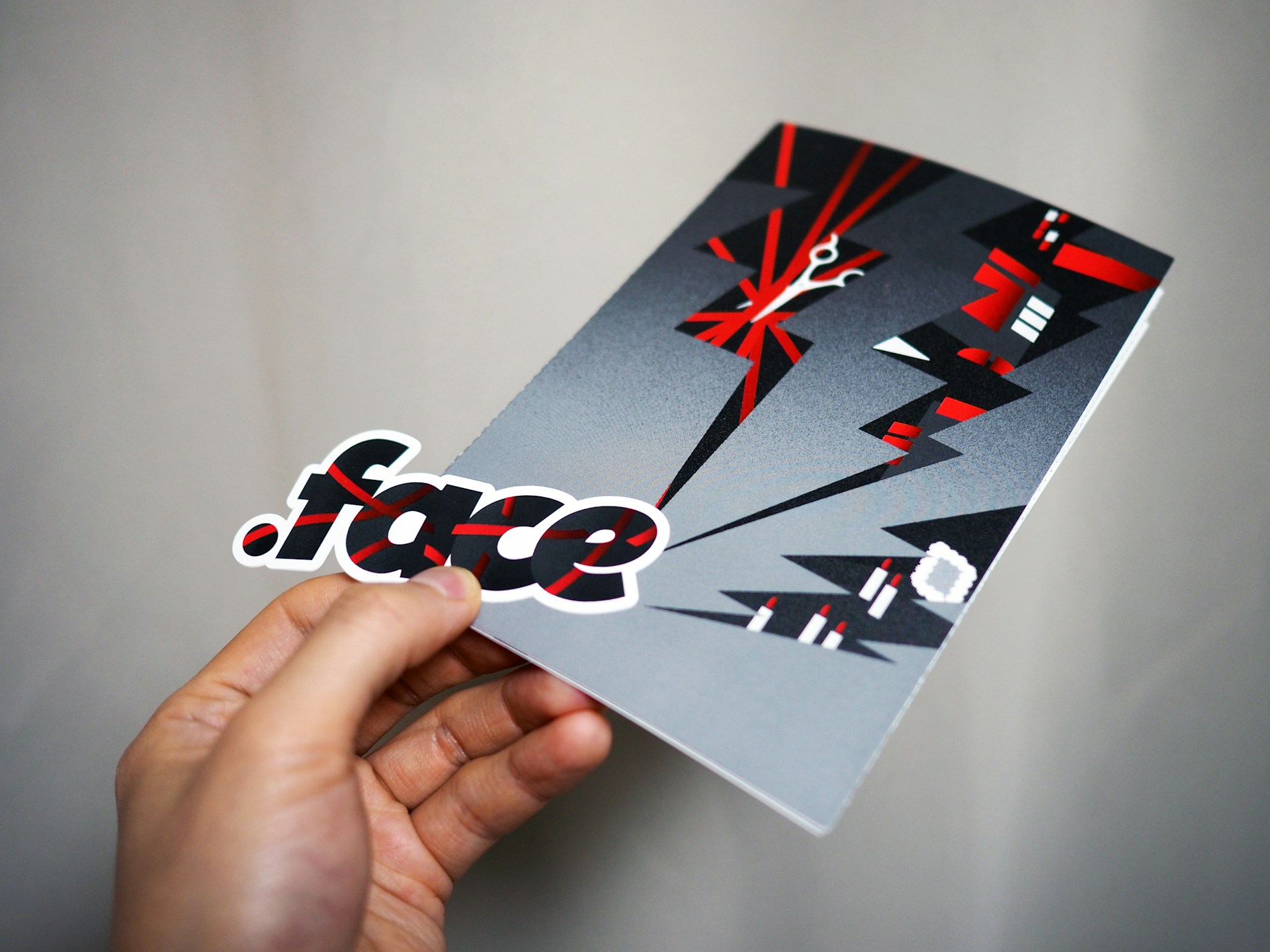
This is where small details work hard. Branded labels can make simple packaging feel considered, while product stickers help turn plain surfaces into memorable brand moments. If you sell physical goods, adding branding on every product is a practical way to keep your visual identity present beyond the first purchase.
A neat return label, cheerful care sticker or well-placed seal can make the brand feel polished without becoming overdone.
Keep Your Voice Steady Everywhere
Brand consistency is not only visual. A business that sounds warm on Instagram but cold in order emails can feel disjointed, even if the design looks right.
Create a few simple voice principles. For example: clear over clever, helpful over pushy, confident over shouty. Then apply them everywhere, from homepage copy to delivery updates. Nielsen highlights the value of authentic, consistent messaging across channels when building trust in a brand promise.
Consistency does not mean repeating yourself. It means sounding recognisably like the same business whether a customer is reading a campaign email, a support reply or a small bit of packaging copy.
Audit The Everyday Touchpoints
The fastest way to spot inconsistency is to map the customer journey. List every place someone meets your brand, including ads, search results, product pages, checkout screens, receipts, packaging and follow-up emails.
Then ask three questions. Does this look like us? Does this sound like us? Does it help the customer feel clear and confident?
You will often find easy wins, such as an outdated logo in an email footer, a different shade on a form or a thank you message that no longer matches your tone.
Build Habits, Not Just Assets
Brand consistency lasts when it becomes part of how your team works. Store approved templates in one place, review materials regularly and give new starters quick guidance.
Customers may not notice every individual detail, but they feel the combined effect. When each touchpoint looks, sounds and behaves like it belongs to the same brand, trust builds quietly. In a busy market, that steady recognition can be what brings people back.


