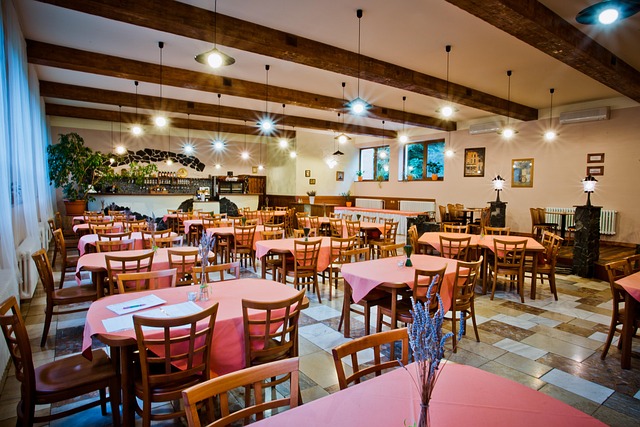
Every food founder builds the same spreadsheet. The kitchen gets the love: the range, the walk-in, the hood, the line that will define the food. The rent gets the worry. The buildout gets the contingency padding. And the furniture gets a placeholder number, scribbled in at the end, almost always too small, because in the founder’s head, the chairs are the easy part. They are not.
Furniture is the line item that arrives last in planning and first in the guest’s experience, and that mismatch is where founders get hurt. The seat a customer sits in shapes the visit more than the convection oven they will never see, yet it gets a fraction of the attention. Founders who treat it as a real procurement decision, sourcing restaurant furniture wholesale instead of improvising at the end, protect both the budget and the room. The numbers explain why this matters more than the spreadsheet suggests.
Table of Contents
Where the Furniture Sits in the Real Budget
Opening a restaurant is expensive in ways founders expect and ways they do not. Independent buildouts typically range from roughly $175,000 to $ 500,000+, with full-service concepts often landing near the higher end. Within that, furniture, fixtures, and equipment make up a substantial share, often cited as 30 to 40 percent of hard costs when you count seating, surfaces, and the big kitchen pieces together.
The furniture slice specifically is where founders lowball. Seating and tables for a dining room commonly land somewhere between $15,000 and $80,000, depending on cover count and concept, and a founder who pencils in $8,000 is not budgeting; they are hoping. The gap between the guess and the real number is exactly the kind of surprise that drains the contingency before the doors even open.
Why the Cheap Chair Is the Expensive Chair
The temptation under budget pressure is to buy down on seating, because the chair that costs $45 instead of $120 looks like found money on a spreadsheet. It is not found money. It is a loan against year two. A residential-grade or bargain commercial chair in a high-traffic dining room loosens, wobbles, and fails within months, and a failed chair gets replaced at full price plus the cost of a guest sitting in a broken one.
The honest way to evaluate a chair is over its entire service life, not its sticker price. This is the logic of return on investment: a $120 commercial chair that lasts eight years costs less per year than a $45 chair that is replaced three times over the same span. Founders who run that math stop seeing the durable chair as the splurge and start seeing the cheap one as the recurring expense it actually is.
The Wholesale Lever Founders Forget to Pull
Furniture is one of the few startup lines where buying more lowers the cost per unit, and founders fitting out a full dining room are buying in exactly the volume that triggers the discount. Ordering forty matching chairs and a dozen tables from a wholesale source is structurally cheaper per piece than buying retail, which is the everyday meaning of economies of scale at the founder’s level.
Pulling that lever well requires a few habits the spreadsheet does not prompt for.
- Order the full room at once to hit the volume that drops the per-unit price.
- Build for lead times of roughly six to sixteen weeks, so furniture is not what delays your opening.
- Order modest attrition stock up front, since matching a discontinued chair later is painful.
- Price the chair over its service life, not by its sticker price.
Lead Time Is a Hidden Line Item Too
The cost founders forget is not always money; sometimes it is weeks. Wholesale commercial furniture commonly ships with a six- to sixteen-week lead time, which means a furniture order placed after the buildout is finished can hold the keys hostage while the dining room sits empty and the rent meter runs. Every week of delay past the planned opening results in payroll and lease costs with no revenue to offset them.
Founders who treat furniture as an afterthought tend to order it last, and that’s how a finished kitchen waits on a pallet of chairs. Slotting the furniture order early, against the floor plan, turns a potential opening delay into a non-event. The seat that takes the longest to arrive should be ordered before the equipment that is installed on the same day.
The Seat Is the First Thing the Guest Reviews
Founders obsess over the dish that will earn the review, and they are half right. The other half of the review is written by the room, which is mostly furniture. A wobbly chair, a table that rocks on an uneven base, a seat too shallow to relax into: these register with a guest before the food arrives and color everything that follows. The furniture is the first thing a customer touches and the last thing they remember in their body.
That makes seating a customer-facing asset rather than a back-office cost. A new restaurant gets one chance at a first impression, and most of that impression is delivered through the things a guest sits on and eats off. Underfund them and the spreadsheet looks leaner while the experience quietly leaks the goodwill the kitchen worked to earn.
Budget the Room People Actually Touch
There is a useful reframe buried in all this. The kitchen is where the product is made, but the dining room is the product the guest pays for, and the furniture is what most of their body touches all evening. A founder who funds the range generously and the seating reluctantly has built a restaurant that cooks well and seats poorly, and guests feel the second part more than the first.
The fix is not to spend lavishly. It is to stop treating furniture as the rounding error at the bottom of the spreadsheet and start treating it as the durable, customer-facing asset it is. Budget it honestly, buy it in volume, order it early, and price it across its life. Do that and the line item that founders always underestimate becomes the one that quietly holds the room together long after the opening-week excitement has faded into the ordinary work of running a full house.


