Equipment rental is one of the most practical business models an entrepreneur can choose. Customers need equipment for short periods, ownership is expensive and the same asset can be rented hundreds of times over its life. Whether you are interested in construction machinery, party supplies, camera gear, medical equipment or outdoor recreation, the fundamentals are similar.
Table of Contents
Step 1: Choose Your Niche
The rental market is broad. Successful new businesses usually focus on a specific niche where they can build expertise and reputation. Popular options include:
- Construction and tool rental: mini excavators, compactors, scaffolding, power tools
- Party and event rental: tents, tables, chairs, linens, lighting, inflatables
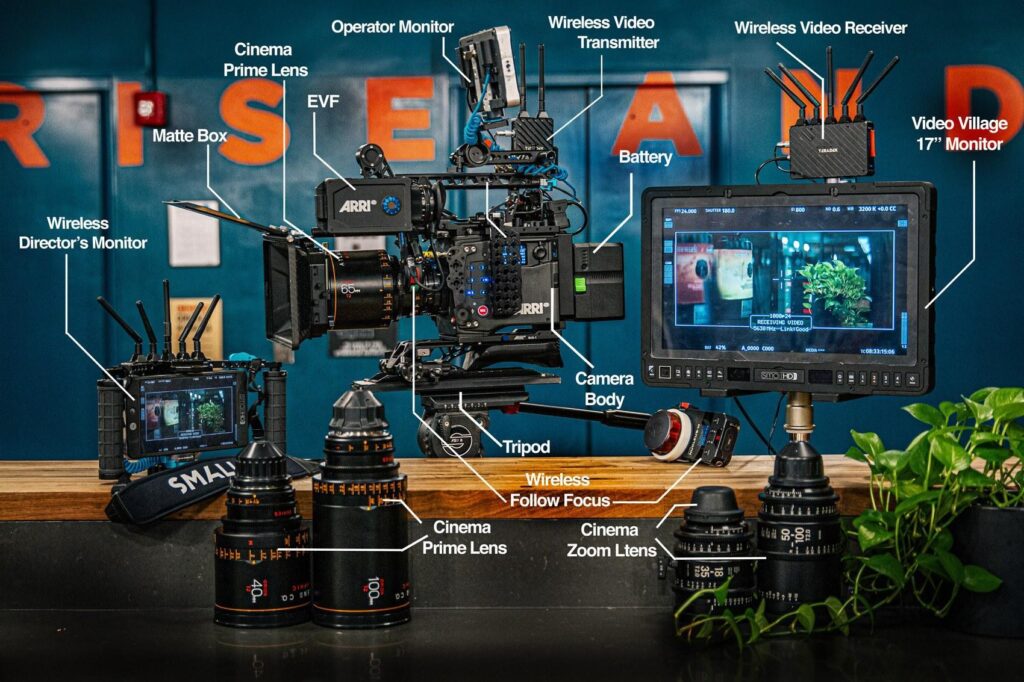
- Audio-visual and film: cameras, lenses, lighting, sound systems
- Outdoor recreation: kayaks, bikes, camping gear, ski equipment
- Medical equipment: wheelchairs, hospital beds, mobility aids
- Specialty equipment: generators, heaters, dehumidifiers, pressure washers
Research local demand and competitors. Look for gaps such as an underserved area, a niche with poor service or a growing trend.
Step 2: Write a Business Plan
A business plan clarifies your strategy and is essential if you need financing. It should include:
- Market analysis and target customers
- Competitive landscape
- Equipment list and startup costs
- Pricing strategy
- Marketing plan
- Financial projections and break-even analysis
Step 3: Set Up the Legal Structure
Choose a structure that fits your goals and risk level, such as a sole proprietorship, LLC or corporation. Entrepreneurship Life has a helpful guide on how to incorporate your business in the USA that walks through formation, registration and compliance considerations.
The SBA’s guide to launching a business also covers registering your business name, obtaining tax IDs, applying for licenses and permits and opening a business bank account.
Step 4: Get Insurance
Rental businesses face unique risks. Equipment can be damaged, stolen or misused, and customers can be injured. Consider:
- General liability insurance
- Property and inland marine insurance for equipment
- Commercial auto insurance for delivery vehicles
- Workers compensation if you have employees
Work with an insurance broker experienced in rental businesses.
Step 5: Acquire Equipment Wisely
Equipment is your biggest investment. Strategies to manage it include:
- Start small with high-demand items.
- Buy quality used equipment where it makes sense.
- Finance or lease to preserve cash.
- Track return on each asset and expand only proven categories.
Step 6: Set Pricing
Research competitor rates and calculate your costs, including depreciation, maintenance, insurance, storage and delivery. Offer daily, weekend, weekly and monthly rates. Consider deposits and damage waivers to manage risk.
A common rule of thumb in the industry is that an item should earn back its purchase price within a certain number of rental days, but this varies by category. Build your own model based on your costs and demand.
Step 7: Build Strong Rental Agreements
Your rental contract protects your business. It should cover rental periods, fees, deposits, damage responsibility, permitted use, late returns and liability. Have it reviewed by a lawyer.
Step 8: Set Up Systems From Day One
Many new rental businesses start with spreadsheets and paper calendars, then struggle when bookings grow. Setting up proper systems early saves pain later. Using rental management software for small businesses from the start lets you manage availability, bookings, contracts, payments, maintenance and customer records in one place, and it scales as you add equipment and staff.
Key processes to define:
- Booking and confirmation
- Equipment preparation and inspection
- Delivery and pickup
- Return inspection and cleaning
- Maintenance scheduling
- Invoicing and payment collection
Step 9: Market Your Business
- Build a mobile-friendly website with online booking.
- Set up and optimize your Google Business Profile.
- Collect reviews from every satisfied customer.
- Network with contractors, event planners and businesses who rent regularly.
- Use social media to showcase equipment and completed jobs.
Step 10: Deliver Excellent Service
Rental is a relationship business. Reliable delivery, clean equipment, clear communication and quick problem resolution build loyalty and referrals. One bad experience can lose a customer forever, and one great experience can win a long-term account.
Step 11: Track Metrics and Grow
Monitor:
- Utilization rate per item
- Revenue per asset
- Customer acquisition cost
- Repeat customer rate
- Maintenance costs
Use these numbers to decide what to buy next, what to sell and where to invest in marketing.
Common Mistakes to Avoid
- Buying too much equipment too soon
- Underpricing to win customers
- Skipping maintenance
- Using weak rental agreements
- Neglecting insurance
- Relying on memory instead of systems
Frequently Asked Questions
How much money do I need to start? It depends on the niche. A party rental business can start with a few thousand dollars of inventory, while construction equipment requires far more capital or financing.
Should I start part-time? Many rental founders begin on weekends, renting a small range of items while keeping a day job, then scale up once demand is proven.
Final Thoughts
Starting an equipment rental business requires careful planning, smart investment and strong systems, but it offers a durable, scalable model with steady demand. Choose a focused niche, build solid foundations and deliver excellent service, and your rental business can grow from a few items in a garage into a trusted local brand.


