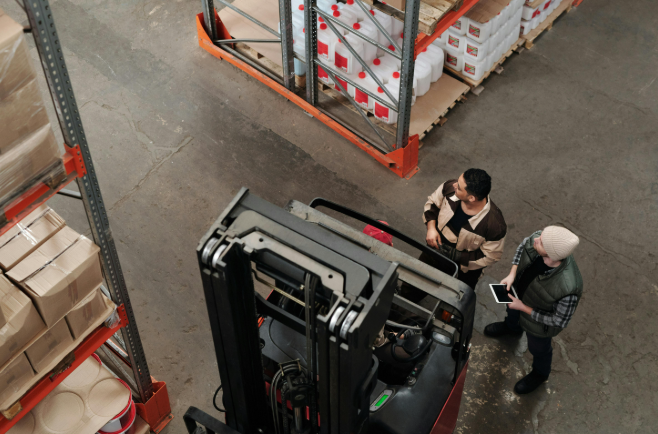
Peak season exposes every weakness inside a warehouse. A delayed repair, a dead battery, or a missing part can slow down shipping schedules within a single shift. Many managers spend busy months reacting to problems instead of preventing them because inspections and planning started too late. That usually leads to overtime costs, delayed orders, frustrated workers, and unhappy customers.
Experienced warehouse managers approach peak season differently. They review equipment, inventory systems, staffing plans, and maintenance records before order volume starts climbing. They look for small issues that could create larger disruptions later. That preparation helps operations stay stable during the busiest weeks of the year.
Warehouse managers can also review reliable used forklifts for sale when expanding their equipment fleet or replacing older machines before peak season.
The smartest warehouses do not depend on luck during peak season. They depend on preparation, quick decision-making, and systems that can handle pressure without slowing everything down.
Table of Contents
Equipment Problems That Slow Everything Down
Warehouse equipment usually gives warning signs before it fails completely. The problem is that busy teams often ignore those signs until operations stop. Smart managers inspect forklifts, aerial lifts, pallet jacks, and conveyors well before peak season begins because repair delays become much harder to manage once workloads increase.
A slow hydraulic response, worn tires, leaking hoses, and weak brakes can reduce efficiency long before a machine breaks down. Operators also notice issues first, so experienced managers ask drivers and maintenance staff for feedback during inspections.
For example, a warehouse running multiple Genie aerial lifts may inspect commonly replaced Genie Lift parts such as joystick controls, tilt sensors, filters, wheels, and other high-wear components during routine maintenance checks to reduce the risk of equipment downtime during peak operations.
Peak season puts extra stress on equipment because machines run longer hours with fewer breaks. Managers who handle repairs early usually avoid emergency downtime later when every hour matters.
Battery Issues That Hurt Productivity
Battery performance affects warehouse efficiency more than many teams realize. Weak batteries slow down forklifts, reduce lifting power, and create unnecessary charging delays during busy shifts. Those issues become more noticeable during peak season when equipment runs continuously for longer periods.
Smart warehouse managers test batteries before demand increases. They check charging times, inspect connectors, and look for signs of corrosion around terminals. Damaged charging cables also create problems because incomplete charging cycles shorten battery performance throughout the day.
Temperature changes can affect battery reliability as well, especially inside warehouses with outdoor loading areas or cold storage sections. Managers who prepare early often rotate aging batteries out before peak season begins instead of risking downtime later.
A strong battery management plan helps operators stay productive and prevents unnecessary interruptions during high-volume workdays.
Inventory Mistakes That Create Delays
Inventory accuracy becomes more important when order volume increases. A single stock mismatch can delay shipments, confuse pickers, and waste hours searching for missing products. These issues usually grow quickly during peak season because teams move faster and mistakes spread across multiple orders.
Smart managers perform cycle counts before busy periods begin. They verify fast-moving products first because those items create the biggest problems when inventory numbers are wrong. Barcode scanners, labeling systems, and warehouse software also need testing before workloads increase.
Storage organization matters just as much as inventory counts. Products placed in hard-to-reach locations slow down picking teams and increase travel time inside the warehouse. Experienced managers review storage layouts early so workers can move faster during peak demand.
Warehouses with accurate inventory systems usually process orders faster and avoid unnecessary shipping delays.
Traffic Bottlenecks Inside the Warehouse
Warehouse traffic problems rarely appear during slow periods. They become obvious once peak season increases forklift movement, picking activity, and loading dock pressure. Smart managers study traffic flow before operations become crowded because delays inside busy aisles affect the entire warehouse.
Congestion often develops near staging zones, charging stations, shrink-wrap areas, and shipping docks. Forklifts waiting for access can create long backups that slow picking and loading times. Managers usually identify these trouble spots by reviewing previous peak-season experiences and watching how employees move through the facility during normal operations.
Simple layout adjustments often improve movement immediately. Moving high-demand inventory closer to packing stations or widening temporary staging areas can reduce traffic delays significantly. Clear equipment routes also improve safety because operators spend less time navigating crowded spaces during busy shifts.
Safety Checks That Often Get Ignored
Safety inspections sometimes get rushed when warehouses focus heavily on productivity goals. That creates unnecessary risks during peak season when workers move faster and equipment operates for longer hours. Smart managers inspect safety systems before operations become busy because small failures can cause serious disruptions later.
Warehouse teams should check warning alarms, emergency shutoff systems, lighting, fire extinguishers, safety harnesses, and dock equipment regularly. Damaged floor markings and blocked walkways also create hazards during crowded shifts. Lift operators need clear visibility, especially near loading areas and narrow aisles.
Managers usually review incident reports from previous busy seasons to identify recurring safety concerns. That process helps teams fix known problems before workloads increase again. Strong safety preparation protects employees while keeping warehouse operations moving without avoidable interruptions.
Backup Plans for Unexpected Downtime
Even well-prepared warehouses face unexpected problems during peak season. Equipment can fail suddenly, weather can delay shipments, and staffing shortages can appear without warning. Smart managers prepare response plans ahead of time so teams can act quickly without wasting hours making decisions during emergencies.
Most warehouses benefit from having backup equipment contacts, repair vendors, rental providers, and emergency supplier lists ready before workloads increase. Clear communication procedures also matter because employees need to know who handles repairs, purchasing approvals, and operational changes during downtime situations.
Managers often run small readiness reviews before peak season begins. Those discussions help supervisors understand their responsibilities during unexpected disruptions. Warehouses recover faster when teams already know the process for handling breakdowns, delayed deliveries, or temporary staffing shortages during high-pressure workdays.
Peak season preparation starts long before orders begin filling the warehouse. Smart managers focus on equipment reliability, inventory accuracy, staffing readiness, supplier communication, and safety planning before workloads increase. Those early checks help prevent the delays and repair problems that often disrupt warehouse operations during busy periods.
Strong preparation also improves employee confidence because teams work better when systems stay organized and equipment performs reliably. Small maintenance issues, missing parts, and traffic bottlenecks become much easier to manage when addressed early instead of during shipping rushes.
Warehouses that prepare carefully usually handle peak season with fewer interruptions, faster order processing, and lower operational stress. Consistent planning keeps operations stable when demand reaches its highest levels.


