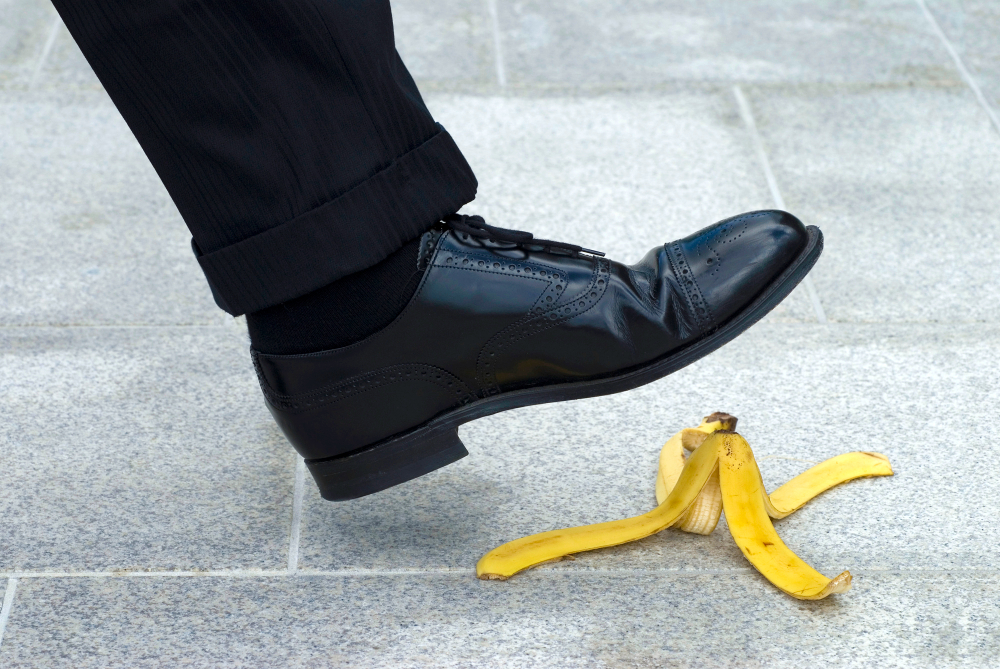
Slip-and-fall accidents are among the most common workplace injuries, affecting employees across every industry—from construction and manufacturing to retail and office environments. While these incidents might appear minor at first glance, they often lead to severe injuries, long recovery periods, and significant financial consequences for both employees and employers.
For entrepreneurs and business owners, understanding the risks and costs associated with workplace slip-and-fall accidents is essential. These injuries not only disrupt daily operations but can also result in expensive workers’ compensation claims, higher insurance premiums, and potential legal disputes. Implementing strong safety practices and maintaining compliance with occupational safety standards are critical steps to mitigate these risks.
Table of Contents
The Prevalence of Slip-and-Fall Accidents in the Workplace
Slip-and-fall accidents are a leading cause of workplace injury and lost productivity in the United States. According to the National Safety Council, falls are among the top three causes of workplace injuries resulting in days away from work. They can occur in virtually any setting—wet floors, uneven surfaces, cluttered walkways, or poorly lit areas all contribute to the danger.
These accidents not only harm employees physically but can also have long-term financial effects on a business. Workers’ compensation claims for fall-related injuries often cover medical treatment, rehabilitation, and lost wages, making them some of the most costly claims employers face. In severe cases, they may even result in permanent disability or death benefits.
Employers who want to minimize liability and financial strain should consult a trusted work injury attorney to ensure compliance with workers’ compensation laws and to strengthen their workplace safety policies.
Common Causes of Workplace Slip-and-Fall Accidents
Wet and Slippery Surfaces
One of the most frequent causes of workplace falls is slick or wet flooring. Spilled liquids, freshly mopped floors, or weather-related moisture tracked indoors can all create hazards. Even a small puddle in a hallway or break room can result in a serious fall if not promptly addressed.
Employers must ensure that cleaning protocols are in place and that employees are trained to mark and clean spills immediately. Non-slip flooring materials and properly maintained mats near entrances can significantly reduce these risks.
Uneven or Damaged Flooring
Cracked tiles, loose carpeting, and uneven surfaces pose additional dangers. In warehouses, manufacturing facilities, or construction sites, these hazards are particularly common due to heavy foot traffic and equipment use. Regular inspections and maintenance are necessary to identify and repair such issues before accidents occur.
Even in office settings, cords or cables running across walkways can cause employees to trip. Addressing these seemingly minor hazards is an important part of preventing injury and liability.
Poor Lighting and Obstructed Pathways
Lighting plays a critical role in workplace safety. Dimly lit staircases, hallways, or outdoor walkways can make it difficult for employees to see obstacles or uneven ground. Similarly, cluttered walkways—caused by misplaced boxes, tools, or equipment—create unnecessary hazards.
Employers should ensure that all areas are well-lit and free from obstructions. Routine checks of light fixtures and emergency lighting systems are also important, particularly in warehouses and industrial spaces.
The Financial Impact of Slip-and-Fall Claims
Slip-and-fall injuries often result in significant workers’ compensation expenses. Medical costs, rehabilitation, and lost wages can accumulate quickly, especially if the employee suffers a long-term or permanent disability. Employers may also face indirect costs, including lost productivity, temporary replacement labor, and increased insurance premiums.
According to insurance industry data, the average workers’ compensation claim for a fall-related injury can easily exceed tens of thousands of dollars. The true cost becomes even higher when factoring in potential legal fees and the impact on workplace morale.
When facing complex claims or disputes, partnering with experienced workers’ compensation attorneys in Peoria can help employers navigate the process effectively and protect their interests. These attorneys understand the nuances of workers’ compensation law and can guide both employers and injured employees through settlement negotiations or hearings.
Common Injuries Resulting from Workplace Falls
Slip-and-fall accidents can lead to a range of injuries, from minor bruises to life-altering conditions. Among the most frequent are sprains, fractures, head injuries, and back or spinal cord trauma. Older workers are especially vulnerable, as they are more likely to suffer serious complications from falls.
Head and Brain Injuries
A fall can easily result in a concussion or traumatic brain injury (TBI), even if the person lands on a relatively soft surface. TBIs can cause lasting cognitive and physical impairments, leading to lengthy recovery times and extensive medical care.
Fractures and Broken Bones
Fractures are common outcomes of workplace falls, particularly involving the wrists, hips, and ankles. These injuries often require surgery, physical therapy, and time away from work. For businesses, these extended absences mean additional costs related to coverage and lost productivity.
Back and Spinal Injuries
Slip-and-fall accidents frequently result in back strain, herniated discs, or spinal injuries. These conditions can lead to chronic pain or disability, significantly affecting the injured worker’s ability to perform job duties.
Soft Tissue Injuries
While soft tissue injuries such as sprains and strains may seem minor, they can cause prolonged discomfort and require medical treatment. These injuries often account for a substantial portion of workers’ compensation claims because they can limit mobility and productivity.
Legal and Liability Considerations for Employers
Employers have a legal duty to maintain a safe work environment and to take reasonable steps to prevent accidents. When a slip-and-fall occurs due to unsafe conditions, the business may be held responsible for the employee’s injuries under workers’ compensation law.
To protect both employees and the company, entrepreneurs should maintain thorough records of safety inspections, maintenance schedules, and training sessions. Documentation is key when defending against claims of negligence or noncompliance.
In some cases, disputes may arise regarding the cause of the fall or the severity of the injuries. Working with a trusted work injury attorney can help employers and employees resolve these conflicts efficiently. Legal counsel ensures that all required reports are filed correctly and that benefits are distributed fairly under state law.
Preventive Measures for Reducing Slip-and-Fall Incidents
Implementing a Comprehensive Safety Program
Developing a formal safety program that includes regular inspections, employee training, and reporting procedures can greatly reduce workplace hazards. Employees should be encouraged to report unsafe conditions immediately without fear of retaliation.
Ensuring Proper Housekeeping
Clean, organized workplaces are inherently safer. Regularly scheduled cleaning routines, prompt spill management, and proper storage of materials help prevent accidents. Employers should also evaluate high-risk areas—such as loading docks, kitchens, and bathrooms—and implement additional safeguards where needed.
Regular Maintenance and Facility Audits
Routine facility audits can identify potential hazards before they lead to injuries. Businesses should inspect flooring, lighting, stairwells, and entryways regularly and document all maintenance activities. This not only improves safety but also provides valuable evidence of due diligence in the event of a claim.
Employee Education and Awareness
Training programs should go beyond compliance and emphasize the real-world consequences of unsafe behavior. Employees who understand how falls occur—and how to prevent them—are more likely to take safety seriously. Supervisors should model proper conduct and reinforce safety expectations consistently.
The Role of Legal Guidance in Workplace Accident Prevention
While proactive safety measures are the best defense against slip-and-fall accidents, legal guidance can provide an additional layer of protection. Consulting with experienced workers’ compensation attorneys in Peoria helps entrepreneurs identify gaps in their safety programs, understand insurance requirements, and prepare for potential claims.
Legal professionals can also assist in reviewing incident response procedures, ensuring that every step—from documentation to communication—is handled properly. This attention to detail not only mitigates liability but also demonstrates a company’s commitment to employee welfare.
By working closely with a trusted work injury attorney, employers can reduce their exposure to costly litigation while fostering a culture of safety and accountability that benefits everyone in the organization.

